

Hip Dysplasia in Dogs: Complete Evidence‑Informed Guide for UK Owners

Hip Dysplasia in Dogs: Complete Evidence‑Informed Guide for UK Owners
Hip dysplasia in dogs is one of the most common orthopaedic conditions seen in UK veterinary practice, yet it remains widely misunderstood. If your dog has been diagnosed - or you suspect something isn't right with their hind legs - this guide is here to help you understand what's happening, what your options are, and how to give your dog the best possible quality of life.
This comprehensive resource covers everything from the earliest signs through to surgery, long-term management, supplements and practical daily living. It is written for UK dog owners, grounded in current veterinary evidence, and designed to inform rather than alarm.
Quick answer: what is hip dysplasia in dogs?
Canine hip dysplasia is the abnormal development of the hip joint - the ball and socket joint where the femoral head (the "ball" at the top of the thigh bone) should sit deeply and snugly inside the acetabulum (the "socket" in the pelvis). In dogs with hip dysplasia, this joint develops improperly during growth, creating looseness, instability and progressive damage.
Dogs are usually born with normal hips. In genetically predisposed dogs, particularly medium and large breed dogs, the hip joint develops abnormally during the first year of life. The resulting hip laxity leads to cartilage wear, inflammation, and eventually secondary osteoarthritis - a painful condition that worsens over time without management.
Hip dysplasia itself is not the same as arthritis, but it is one of the most common causes of secondary osteoarthritis in dogs. Hip dysplasia can lead to chronic pain and reduced quality of life in dogs if left unmanaged.
Common signs owners notice:
- Stiffness after rest, especially in the morning
- Reluctance to climb stairs, jump into the car or play
- Bunny hopping when running
- Limping or lameness in one or both back legs
- Muscle loss over the hindquarters
Main treatment paths:
- Weight management and controlled exercise
- Pain relief medication
- Physiotherapy and hydrotherapy
- Joint supplements as part of a broader plan
- Surgery when recommended by a vet or specialist
With early recognition, weight control, sensible exercise, pain relief and - in some dogs - surgery, many dogs with hip dysplasia can still live long, active and happy lives. Alder & Hound is a UK resource focused on canine joint health and mobility, with detailed guides available in the Canine Mobility Knowledge Centre.
Emergency signs: when to contact a vet urgently
Most dogs with hip dysplasia are not in immediate danger. The condition typically develops gradually, and management is planned carefully over time. However, certain signs require same-day or emergency veterinary attention.
Contact your vet urgently if your dog shows:
- Sudden inability to stand or bear weight on the back legs
- Extreme pain - crying out, yelping, panting, refusal to move
- Sudden severe lameness in one leg (to rule out fractures or ligament tears)
- Collapse, marked lethargy or pale gums
- Signs of major trauma (such as a road accident or a significant fall) with hind limb pain
These signs can be caused by many conditions, including spinal problems, cruciate ligament rupture and fractures - not only canine hip dysplasia. Owners should not try to self-diagnose at home.
While arranging veterinary care, keep your dog as still and calm as possible. Use a blanket or board as a stretcher if your dog cannot walk. Never give human painkillers such as ibuprofen or paracetamol unless specifically instructed by your vet, as these can be dangerous or fatal to dogs.
If your dog has mild but persistent stiffness, occasional bunny hopping, or reluctance to climb stairs lasting more than a week, book a non-urgent appointment with your vet to discuss assessment.
How a healthy hip joint works
To understand what goes wrong in dysplasia in dogs, it helps to know how a normal hip functions.
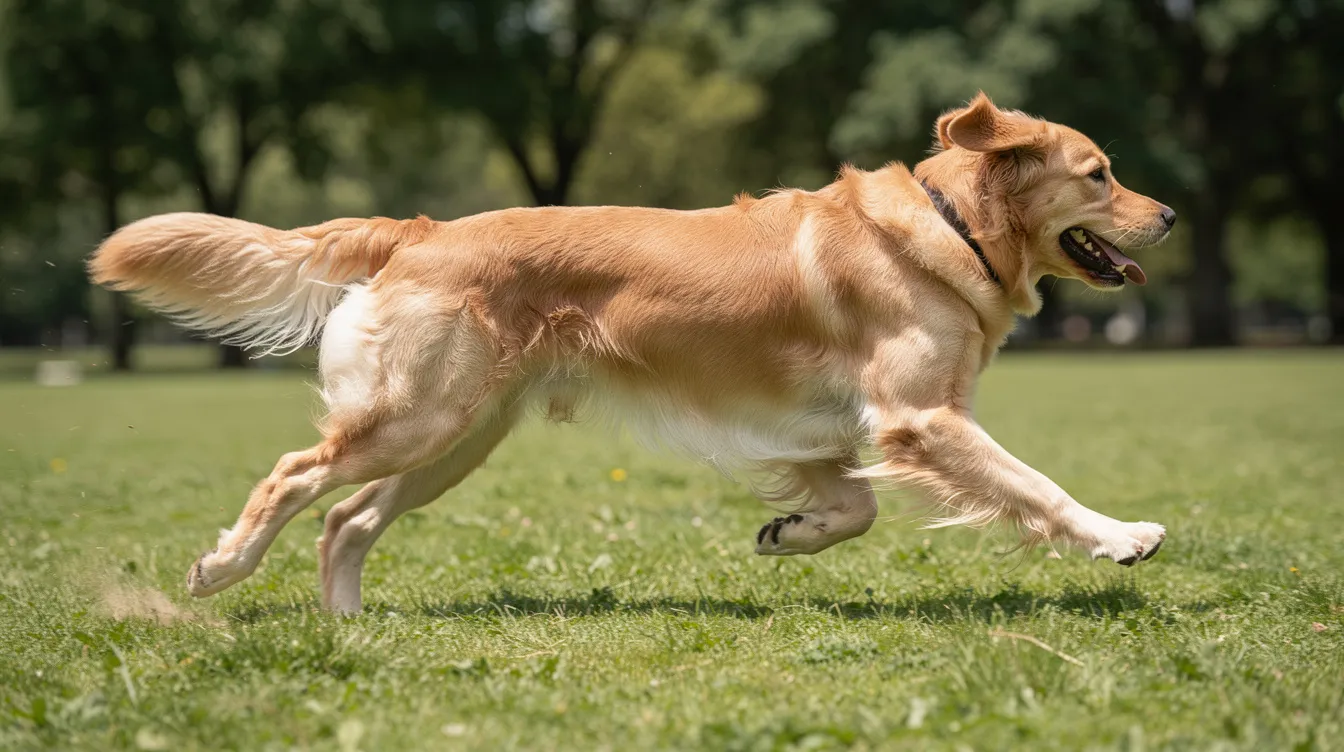
The hip is a synovial ball and socket joint. The pelvis contains a deep, cup-shaped socket called the acetabulum. The top of the thigh bone (femur) has a rounded femoral head - the "ball" - that fits snugly inside this socket.
In healthy hips, smooth cartilage covers both the ball and socket surfaces, allowing near-frictionless movement. A joint capsule surrounds the joint, and synovial fluid within it acts as a natural lubricant and shock absorber. Strong ligaments hold the joint together, while powerful muscles - including the gluteal, hamstring and thigh muscles - support and protect the hip during movement.
On X-rays of dogs with healthy hips, vets see a femoral head that sits deeply within a well-formed socket, good coverage, smooth bone edges and no bony spurs or flattening.
Key structures of the hip joint:
- Acetabulum (socket) - the cup in the pelvis
- Femoral head (ball) - the rounded top of the thigh bone
- Articular cartilage - smooth shock-absorbing surface
- Joint capsule and synovial fluid - lubrication and protection
- Surrounding muscles and ligaments - stability and support
This understanding becomes important when we look at what happens during dysplasia and the rationale behind different surgical procedures.
What goes wrong in hip dysplasia?
In dogs hip dysplasia, the ball and socket grow at different rates during puppyhood. The socket becomes too shallow and the femoral head does not sit tightly within it. This creates hip laxity - abnormal looseness in the joint.
This looseness allows the femoral head to slide partially in and out of the socket, a process called subluxation. Each time the joint moves abnormally, the cartilage surfaces are damaged, the joint capsule stretches, and inflammation builds within the affected joint.
Many puppies are born with structurally normal hips. In dogs that are genetically predisposed, abnormal development during the first year - especially between 2 and 10 months of age - leads to progressive joint looseness and instability.
Over months and years, repeated micro-trauma from this abnormal movement triggers secondary osteoarthritis. Cartilage wears away, bone becomes misshapen, bony spurs (osteophytes) form around the joint edges, and the hip becomes increasingly painful and stiff.
Severity ranges considerably. Some dogs have mild laxity visible only on X-rays with no obvious discomfort, while others develop severe deformity where the femoral head is barely covered by the socket.
 How hip dysplasia progresses to osteoarthritis" Diagram
The progression in brief:
- Hip laxity (looseness) develops during growth
- Cartilage damage occurs from abnormal joint movement
- Chronic inflammation and pain set in
- Secondary osteoarthritis develops and worsens over time
Is hip dysplasia the same as arthritis?
No. Hip dysplasia is the underlying developmental problem - the abnormal shape and looseness of the joint. Arthritis (more precisely, osteoarthritis) is a common consequence of that problem.
A young dog may have hip dysplasia without obvious arthritis on X-rays. Conversely, an older dog may show advanced hip osteoarthritis even if the original dysplasia was relatively mild. Hip dysplasia can lead to arthritis as dogs age, and this secondary arthritis is the main source of long-term discomfort in most affected dogs.
Understanding this distinction matters because early diagnosis - while the joint is still relatively "clean" of arthritic changes - gives more options for preventative or joint-preserving surgeries. Once significant arthritis has developed, joint-preserving procedures are no longer possible.
It's also important to understand that joint supplements and pain relief support osteoarthritis management but cannot correct the underlying hip shape once bones are fully grown. They form one part of a broader approach. You can learn more about long-term arthritis management in our Arthritis in Dogs guide.
The reassuring news is that even with established osteoarthritis, a combination of weight management, sensible exercise, appropriate analgesia and supportive therapies can greatly improve comfort and function.
Causes of hip dysplasia: genetics, growth and lifestyle
Canine hip dysplasia is a complex condition influenced by many factors. It is primarily a genetic condition - multiple genes interact to determine a dog's susceptibility - but environmental factors strongly influence how severely the condition develops.
Genetics and inherited diseases
Hip dysplasia runs in families. It follows a polygenic pattern of inheritance, meaning many genes contribute rather than a single one. Studies in UK Labrador Retrievers estimate heritability of hip traits at around 0.35–0.38, meaning genetics explain roughly a third of the variation in hip scores. Genetics and rapid growth are significant risk factors for developing hip dysplasia.
Rapid growth and overfeeding
Rapid growth in puppies can worsen hip dysplasia significantly. Overfeeding puppies increases the risk of hip dysplasia - research has shown that two-thirds of overfed puppies develop hip dysplasia compared to far fewer in lean-fed groups. Free-feeding large breed puppies with energy-dense diets is particularly problematic.
Nutrition and mineral balance
Unbalanced diets - especially those with excessive calcium or poorly formulated homemade diets - can disrupt normal bone development. Following established veterinary nutrition guidelines and choosing diets appropriate for large breed puppies during growth helps support healthy skeletal development.
Obesity
Excess body weight is one of the strongest and most modifiable risk factors for painful hips and progressive arthritis. Overweight dogs place greater mechanical stress on already vulnerable joints.
Exercise
Controlled, age-appropriate exercise supports healthy joint development. However, excessive, repetitive high-impact activity in young, growing dogs - such as sustained forced running or repetitive jumping - may increase risk.
Other factors under investigation
Spaying or neutering early may increase hip dysplasia risk, though this remains an area of active debate. Hormonal influences on growth plate closure, muscle mass and body conformation are all being studied. Environmental factors clearly play a role alongside genetics.
Owners cannot change their dog's genes, but they can strongly influence weight, growth rate and activity - and these factors significantly affect progression from hip laxity to clinical disease.
Breeds most affected by canine hip dysplasia
Dogs of any breed or size can be affected by hip dysplasia, including crossbreeds and smaller dogs. However, the condition is more common and often more severe in medium and large breed dogs.
Labradors are prone to hip dysplasia, as are Golden Retrievers, who frequently suffer from the condition. German Shepherds commonly develop hip dysplasia and Rottweilers are at high risk for hip dysplasia. Bernese Mountain Dogs are prone to hip dysplasia, and Newfoundlands are also at risk for hip dysplasia.
Some smaller breeds - including Pugs, French Bulldogs and Cocker Spaniels - can also develop the condition, though severity is often lower.
The BVA/Kennel Club Hip Scoring Scheme has helped reduce prevalence in many pedigree lines. For example, Newfoundlands have seen their breed median hip score fall from around 16 in 2000 to approximately 10 in 2023. Golden Retrievers' breed median sits at roughly 11 in recent years. Despite this progress, risk remains far from eliminated.
|
Breed |
Relative Risk |
Typical Age of Onset |
Common Weight Range |
|---|---|---|---|
|
Labrador Retriever |
Higher |
6–18 months |
25–36 kg |
|
Golden Retriever |
Higher |
6–18 months |
25–34 kg |
|
German Shepherd |
Higher |
5–14 months |
22–40 kg |
|
Rottweiler |
Higher |
6–18 months |
36–60 kg |
|
Bernese Mountain Dog |
Higher |
6–18 months |
35–55 kg |
|
Newfoundland |
Higher |
6–18 months |
45–70 kg |
|
Cocker Spaniel |
Average |
Variable |
12–16 kg |
|
French Bulldog |
Average |
Variable |
8–14 kg |
"Breed risk comparison chart" table.
Owners of certain breeds at higher risk should monitor hip health from puppyhood and seek early veterinary assessment if they notice subtle stiffness or gait changes in the back legs.
How hip dysplasia looks at different ages
Clinical signs of hip dysplasia can appear at any age - from a few months old to senior years - and may come and go or be remarkably subtle.
Puppies (4–12 months)
Dogs may show signs as early as 5–6 months old. Look for a bunny hopping gait (both back legs moving together when running), reluctance to jump, difficulty rising after rest, occasional hind limb lameness, and reduced enthusiasm for play compared with littermates. These early signs are often dismissed as "growing pains" or clumsiness.
Young adults (1–3 years)
Intermittent stiffness after heavy exercise is common. Some dogs sit with one leg kicked out to the side rather than squarely, adopt a "frog-leg" lying position, or prefer short bursts of activity rather than sustained walks. Signs may come and go.
Adults and senior dogs (4+ years)
Progressive osteoarthritis drives most symptoms at this stage. Dogs become stiff when getting up, slower on walks, reluctant to climb stairs or jump into the car, and may lag behind on outings. Muscle loss over the hindquarters becomes visible as the dog compensates by shifting weight forward.
Some dogs with severe X-ray changes have only mild visible signs, while others with modest radiographic findings experience significant hip pain. X-rays must always be interpreted alongside the whole picture - behaviour, gait, pain and the dog's age.
Placeholder: insert "Hip dysplasia progression timeline" graphic illustrating typical onset from puppy to senior dog.
Keeping a diary of signs - noting stiffness, lameness, reluctance, behavioural changes - to share with your vet is invaluable for early diagnosis and treatment planning.
Clinical signs and behavioural changes owners may notice
Dogs often mask pain, so behavioural and movement changes may be the earliest clues of hip dysplasia or hip osteoarthritis. Recognising signs early makes a meaningful difference to long-term outcomes.
Movement changes
Common signs of hip dysplasia include:
- Hind limb lameness in one or both legs, intermittent or constant
- Stiffness after rest, particularly first thing in the morning
- Bunny hopping when running (both back legs moving together)
- Wobbling or swaying through the hips during walking
- Difficulty rising, lying down, climbing stairs or jumping into the car
- Shortened stride in the back legs or "toe-touching" lameness
- Weakness in hind legs, which is a typical sign of hip dysplasia
- An abnormal gait that may be subtle at first
Common symptoms include limping and reluctance to climb stairs. Dogs may exhibit abnormal sitting positions due to hip pain - sitting crookedly or with legs splayed rather than tucked neatly underneath.
Behavioural changes
- Reluctance to exercise or stopping early on walks
- Irritability when hips are touched or handled
- Licking or chewing at the hip or thigh area
- Changes in sleeping position
- Withdrawal from family activities or play
Some dogs adapt by shifting more weight onto their front end, leading to noticeably over-developed shoulder muscles and relatively thin back legs. This compensation can mask how much the hips are struggling.
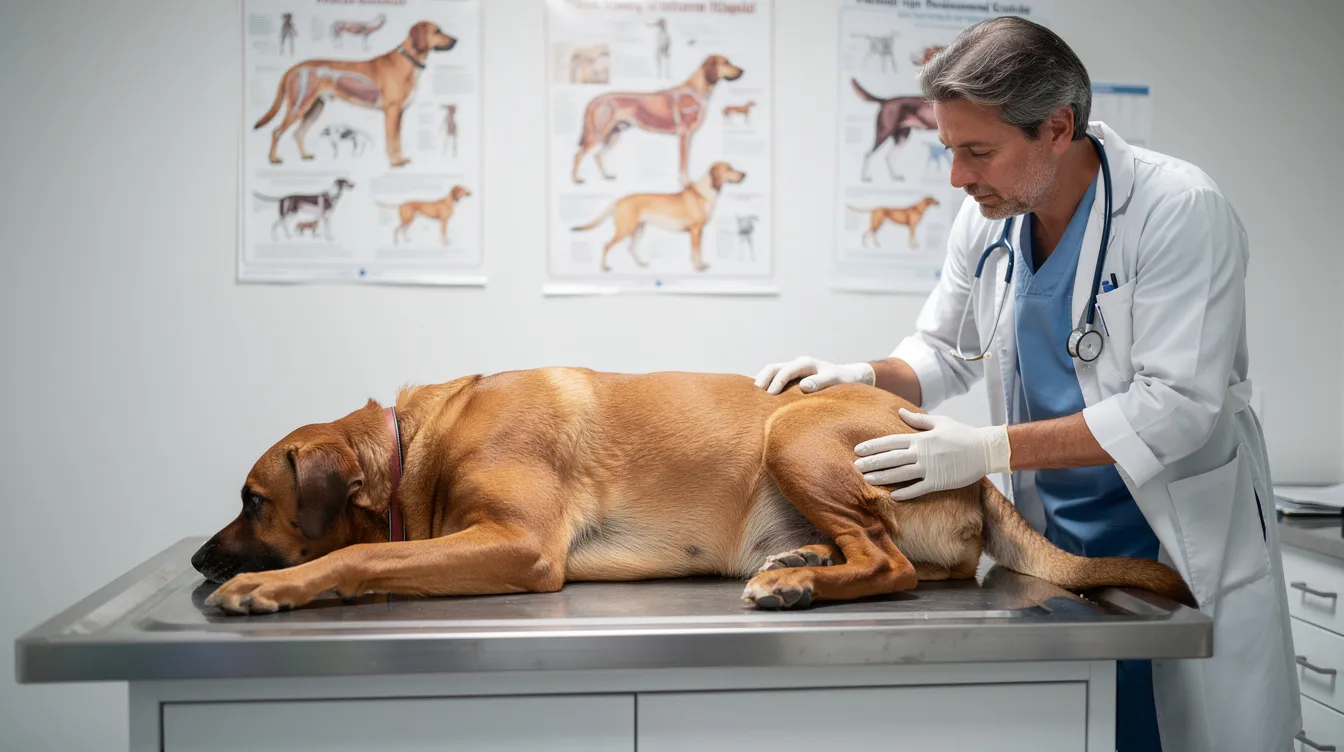
These signs overlap with other conditions, including cruciate ligament disease and spinal problems. A thorough veterinary assessment is essential for accurate diagnosis. If you spot these common signs, don't wait - early investigation gives you more options.
 "Early warning signs infographic"
 Decision tree: My dog has these signs - what should I do?
How vets diagnose hip dysplasia
Diagnosing hip dysplasia combines a careful history, physical examination and imaging - usually X-rays - to assess hip joint shape and any secondary osteoarthritis. Early diagnosis of hip dysplasia is crucial for long-term management.
The vet visit
Your vet will ask about your dog's signs, their duration, which activities are affected and any family history. They will then watch your dog walk and trot to assess gait, looking for lameness, stiffness, abnormal gait patterns or reluctance to bear weight.
Hands-on examination involves palpating the hip joints, checking range of movement, and noting any pain response when the hips are manipulated. Muscle mass over the hindquarters is compared between sides.
The Ortolani test
The Ortolani test is performed under sedation or general anaesthesia. The vet gently moves the femoral head in and out of the socket to feel for hip laxity - a "clunk" as the ball relocates suggests significant looseness. This test is valuable for detecting instability that may not be obvious on a standard examination.
X-rays
Sedation or general anaesthesia is usually needed for high-quality hip X-rays because precise positioning and complete muscle relaxation are essential. The standard ventrodorsal extended view allows vets to assess coverage of the femoral head, depth of the socket, signs of subluxation and osteoarthritis such as bony spurs, remodelling and joint space narrowing.
Modern anaesthesia protocols and monitoring make sedation very safe for the majority of dogs, with risks assessed on a case-by-case basis.
Advanced imaging
In referral centres, CT or MRI may occasionally be used, particularly when planning complex surgery or ruling out other conditions affecting the spine or stifle.
PennHIP, BVA Hip Scores and other screening schemes
Several schemes exist to assess hip joint quality, especially for breeding dogs. Results from different schemes are not directly interchangeable.
BVA/Kennel Club Hip Scoring Scheme
The UK's primary scheme involves standardised X-rays taken under sedation or general anaesthesia, usually from 12 months of age. Each hip is scored across nine component features, giving a total score from 0 (best) to 106 (worst). The first three components assess primary joint conformation and laxity; the remaining six assess secondary osteoarthritic changes.
Breed median scores (BMS) - rolling five-year medians - are published for each breed, and responsible breeders aim to select dogs scoring at or below their breed median. Over 6,200 dogs had their hips scored in 2024 alone.
PennHIP
PennHIP can be performed from as early as 16 weeks by specially trained vets. It uses a "distraction index" to measure hip laxity more directly than the standard extended-hip view. This makes it particularly useful for early identification of at-risk puppies and for working or sporting dogs where early decisions about careers and management are important.
OFA scoring
Used primarily in North America, OFA grading follows similar principles but uses a descriptive scale (Excellent, Good, Fair, Borderline, Mild, Moderate, Severe) rather than a numerical score.
What screening means for puppy buyers
Screening helps reduce the risk of hip dysplasia in future generations but cannot guarantee any individual puppy will be free of the condition. When choosing a puppy from certain breeds, ask breeders for official hip scores, look for parents scoring at or better than the breed median, and be cautious of litters where documentation is unavailable.
Non-surgical (medical) management of hip dysplasia
Medical management of hip dysplasia revolves around a multimodal approach - combining several strategies to improve comfort and function rather than relying on any single treatment.
Non surgical treatment is appropriate for many affected dogs, particularly those with mild to moderate signs, older dogs, or those not suitable for surgery. The key components include:
- Weight management to reduce joint load
- Controlled, regular, low-impact exercise
- Prescription pain relief, usually NSAIDs and sometimes additional analgesics
- Adjunct therapies such as hydrotherapy, physiotherapy, acupuncture or laser therapy
- Environmental modifications at home
- Joint supplements as part of the broader treatment plan
While medical management does not "cure" hip dysplasia or reverse the shape of the hip joint, it can significantly improve quality of life and delay - or sometimes avoid - the need for surgery. Many dogs live comfortable, active lives on a well-managed medical plan for years.
The goal of any treatment plan is to keep your dog moving comfortably, maintain muscle mass around the joint, minimise inflammation and protect remaining cartilage.
For a deeper understanding of how lifestyle and management support joint health long-term, our Complete Guide to Joint Health in Dogs covers broader strategies in detail.
Weight management: the single most powerful tool
Maintaining a healthy weight is one of the most effective ways to reduce hip pain, slow osteoarthritis progression and improve mobility in dogs with hip dysplasia. Weight management is crucial for dogs with hip dysplasia - and it is the one factor owners have the most control over.
Understanding body condition
Body condition scoring (BCS) is a simple system vets and vet nurses use to assess whether a dog is underweight, ideal or overweight. On a 9-point scale, a score of 4–5 is ideal. Ask your vet to show you how to feel your dog's ribs and assess their waist and abdominal tuck at home.
Even modest weight loss - around 5–10% of body weight - can noticeably reduce lameness in overweight dogs with hip dysplasia or arthritis.
Practical tips
- Weigh food with digital kitchen scales rather than estimating with cups or scoops
- Feed a complete, high-quality diet appropriate for life stage and size
- Avoid excess calories from treats and table scraps - these add up quickly
- Swap high-calorie treats for low-calorie options such as small pieces of carrot or cucumber
- Use a portion of the daily food ration as training rewards
- Monitor weight every 2–4 weeks and adjust portions gradually with veterinary guidance
 "Weight vs joint loading infographic" showing how extra kilograms multiply forces across the hip joint. Please note this is an example, not breed specific and this will vary from breed to breed.
Weight loss should be slow, steady and supervised. Restrictive crash diets or unbalanced fad diets can be harmful. The WSAVA Global Nutrition Guidelines provide an evidence-based framework for safe, effective nutritional management that your vet can help you apply.
Exercise, physiotherapy and hydrotherapy for dogs with hip dysplasia
Physical therapy and controlled exercise can help manage hip dysplasia by maintaining muscle mass and joint range of movement. Strong muscles around the hip act as a natural brace, compensating for the joint's structural weakness.
General exercise principles
- Aim for regular, moderate, low-impact walks rather than occasional long, intense outings
- Avoid repetitive high-impact activities: ball throwing with sudden stops, jumping off high surfaces or sustained running on hard ground
- During flare-ups, use leads for controlled movement and shorten walk duration
- Consistency matters more than intensity - a "weekend warrior" pattern of rest then overexertion causes harm
Veterinary physiotherapy
Qualified veterinary physiotherapists assess gait, design tailored strengthening and stretching programmes, and provide home exercise plans owners can follow daily. These may include controlled lead walking exercises, weight-shifting activities, cavaletti poles and gentle stretching.
Hydrotherapy
Warm water supports a dog's body weight, allowing them to move joints more freely while building muscle with significantly less pain. Underwater treadmills and swimming pools are both used, depending on what suits the individual dog. Hydrotherapy is commonly recommended by UK veterinary charities as part of ongoing care for dogs with hip and joint conditions.
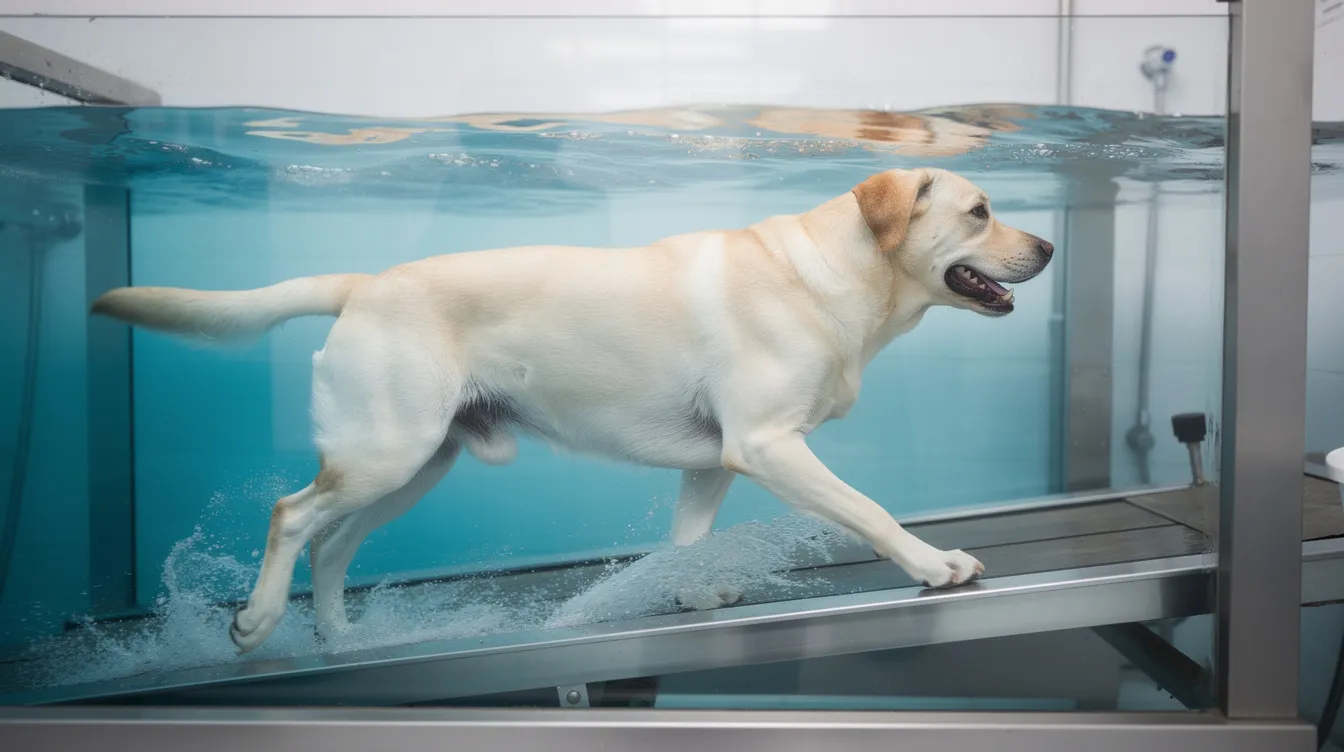
All physiotherapy and hydrotherapy programmes should be carried out under veterinary referral to ensure safety and coordination with the dog's wider medical management.
Placeholder: insert "Treatment pyramid" graphic showing foundations (weight and exercise), medical management in the middle, and surgery at the top.
Pain relief and disease-modifying medications
Modern pain management in veterinary medicine aims to keep dogs comfortable enough to enjoy normal activities while minimising side effects. Pain relief is always guided by a vet and tailored to the individual dog.
Non-steroidal anti-inflammatory drugs (NSAIDs)
Non-steroidal anti-inflammatory drugs are commonly used for pain relief as the first-line treatment for hip pain and osteoarthritis in dogs. They reduce pain and inflammation effectively, but long-term use requires monitoring - typically regular blood tests to check liver and kidney function, especially in older dogs.
Additional analgesics
When NSAIDs alone are insufficient, vets may add drugs such as gabapentin or amantadine to help reduce pain through different pathways. These are always prescribed and monitored by a vet.
Monoclonal antibody therapy (Librela)
Librela (bedinvetmab) is a prescription-only monoclonal antibody licensed in the UK for the control of pain associated with osteoarthritis in dogs. It works by targeting nerve growth factor (NGF), a protein involved in transmitting pain signals, and is administered as a monthly injection by a veterinary surgeon.
Clinical trials submitted for licensing reported that many dogs experienced improvements in osteoarthritis pain compared with placebo. However, as with any medicine, treatment does not work for every dog and adverse events have been reported. The UK Veterinary Medicines Directorate (VMD) continues to monitor the medicine’s safety through ongoing pharmacovigilance, and Librela is not licensed for use in puppies under 12 months of age, pregnant or lactating dogs, or breeding animals.
My perspective
While Librela has become widely used in veterinary practice, I have reservations about its role in managing canine osteoarthritis.
In my opinion, it is sometimes introduced earlier than it should be, before other aspects of osteoarthritis management - such as weight management, appropriate exercise, physiotherapy, nutritional support and evidence-based joint supplements - have been fully explored. I also believe there are still unanswered questions about the long-term effects of blocking nerve growth factor and which dogs are the most appropriate candidates for treatment.
Some veterinarians and dog owners consider Librela to be an important option for dogs with chronic osteoarthritis pain, while others have raised concerns about reported adverse events and believe more long-term data would be valuable. As with many newer therapies, opinions within the veterinary community are not universally aligned.
Every dog is different, and treatment decisions should be made in consultation with a veterinary surgeon after weighing the potential benefits and potential risks for the individual animal.
Important safety note
Human painkillers - paracetamol, ibuprofen, aspirin - should never be given to dogs without specific veterinary instruction. Incorrect doses can be dangerous or fatal.
Pain control is most effective as part of a broader multimodal plan alongside weight management, exercise, lifestyle changes and, where appropriate, joint supplements.
Joint supplements: evidence-informed overview
High-quality joint supplements can be a useful part of a broader management plan for hip dysplasia and osteoarthritis. However, they are not medicines and cannot diagnose, treat, cure or prevent disease. They work best alongside veterinary care, weight control and appropriate exercise.
Key ingredients used in UK dogs
Green Lipped Mussel (GLM): A natural source of omega-3 fatty acids (including the rare ETA), glycosaminoglycans and other bioactive compounds. Evidence supports its role in supporting joint comfort and mobility. Learn more in our dedicated Green Lipped Mussel for Dogs guide.
Omega-3 fatty acids: Marine-sourced omega-3s have well-documented anti-inflammatory properties that may benefit dogs with osteoarthritis.
Glucosamine and chondroitin: Structural components of cartilage. Evidence is mixed but suggestive of modest benefits for joint comfort, particularly with long-term use.
MSM (methylsulfonylmethane): A sulphur donor with some clinical data supporting comfort and mobility in dogs with joint conditions.
Boswellia serrata: A plant extract with emerging evidence in veterinary osteoarthritis research. Our Boswellia for Dogs guide explores the science in detail.
Hyaluronic Acid: A natural component of joint fluid that supports lubrication and may help maintain joint comfort. Read more in our Hyaluronic Acid for Dogs guide.
Supportive nutrients: Vitamin C contributes to collagen formation, while functional ingredients like Reishi mushroom support overall immune and antioxidant health.
Quality matters
Not all supplements are equivalent. Formulation, ingredient quality, dosing and manufacturing standards vary enormously. Veterinary-standard supplements with transparent ingredient information are preferable.
Alder & Hound's ForeverRun is an example of a premium, once-daily joint and mobility supplement combining Green Lipped Mussel, MSM, Glucosamine, Boswellia Extract, Reishi Mushroom, Hyaluronic Acid and Vitamin C. It is designed to support joint health as part of a wider management plan, not to replace veterinary care.
Always discuss any supplement with your vet, especially if your dog is on medication or has other health conditions.
Surgical options for hip dysplasia: overview
Surgery is considered when medical management does not provide adequate comfort, or when joint-preserving procedures in young dogs may significantly improve long-term outcomes. Not all dogs with hip dysplasia need surgery - but for some, it is the best path to lasting comfort.
The most appropriate surgical procedure depends on the dog's age, size, severity of deformity, presence of arthritis, overall health, expected activity level and financial considerations.
Joint-preserving vs salvage procedures
Joint-preserving surgeries (JPS, DPO, TPO) aim to improve hip conformation while the dog is still growing, preventing or reducing future arthritis. They have a narrow window of eligibility.
Salvage surgeries (FHO, THR) address joints where arthritis is already established and aim to restore comfort and function by removing or replacing damaged structures.
Approximate UK costs
|
Procedure |
Indicative UK Cost Range |
|---|---|
|
Juvenile Pubic Symphysiodesis (JPS) |
£500–£1,500 |
|
DPO / TPO |
£2,000–£4,000 per side |
|
Femoral Head Ostectomy (FHO) |
£1,500–£3,500 |
|
Total Hip Replacement (THR) |
£4,000–£8,000+ per hip |
Actual costs vary by practice, region, complexity and whether referral is needed. Insurance coverage, policy terms and excess all affect out-of-pocket costs. Always obtain written estimates before proceeding.
 "Surgical options comparison table" summarising procedure, typical age range, arthritis allowed, advantages, limitations and cost band.
A board certified veterinary surgeon or referral orthopaedic specialist will discuss the pros and cons for your individual dog. Many dogs do extremely well after a carefully chosen, well-performed surgery combined with appropriate rehabilitation.
Juvenile Pubic Symphysiodesis (JPS), DPO and TPO
These are joint-preserving surgical procedures aimed at improving coverage of the femoral head by reshaping or rotating parts of the pelvis while the dog is still growing. They work by improving the way the socket covers the ball, reducing hip laxity and slowing the development of arthritis.
Juvenile Pubic Symphysiodesis (JPS)
Juvenile pubic symphysiodesis can be performed before 18 weeks old - ideally under 20 weeks. It involves cauterising the growth plate at the pubic symphysis, which alters pelvic growth so the sockets gradually rotate to provide better coverage of the femoral head.
JPS works best when laxity is mild to moderate and osteoarthritis has not yet developed. It is a relatively minimally invasive procedure and is sometimes combined with neutering, as the surgical approach overlaps.
The critical requirement is early detection. Screen puppies for hip laxity before 20 weeks of age if you have concerns - by the time obvious signs appear, the window for JPS has often closed.
Double/Triple Pelvic Osteotomy (DPO/TPO)
Triple pelvic osteotomy (and the related double pelvic osteotomy) is suitable for young dogs, often between 6 and 10 months of age, with significant hip laxity but minimal or no existing arthritis.
The surgeon cuts the pelvic bone in two or three places and rotates the acetabulum to provide improved coverage, then fixes the new position with plates and screws. Recovery requires strict rest and controlled rehabilitation for several weeks while bones heal.
These procedures are typically performed by specialist orthopaedic surgeons at referral centres.
Expected outcomes
Many appropriately selected dogs gain more stable hips and a reduced risk of severe osteoarthritis. However, some degree of future arthritis cannot be completely ruled out, and long-term weight and exercise management remain important.
The key message is that early screening - via PennHIP or early laxity assessment - and prompt referral are essential, because these procedures have a narrow age window.
Femoral Head Ostectomy (FHO) and Total Hip Replacement (THR)
These surgical options are usually offered to dogs with established pain and arthritis, often after medical management is no longer providing adequate comfort.
Femoral Head Ostectomy (FHO)
FHO involves surgical removal of the femoral head and sometimes the femoral neck, eliminating bone-on-bone contact that causes pain. Over the following weeks, a fibrous "false joint" forms, and the surrounding muscles take on more of the load.
Femoral head ostectomy is suitable for dogs under 45 pounds (roughly 20 kg) - in smaller or lighter dogs, function tends to be good. In larger dogs, outcomes are more variable and muscle rehabilitation is critical. Dedicated physiotherapy is essential to rebuild strength, range of movement and confidence.
FHO is less technically demanding than total hip replacement and generally less expensive, making it accessible in many veterinary practices.
Total Hip Replacement (THR)
Total hip replacement is a common surgical option for severe hip osteoarthritis. It involves replacing both the femoral head and the acetabulum with prosthetic implants - typically metal and high-density plastic components - to restore near-normal, pain-free function.
THR is usually recommended for medium and larger dogs with severe disease and good overall health. Recovery involves a hospital stay, strict rest for several weeks, and gradual reintroduction of activity over two to four months. Dedicated rehabilitation with a physiotherapist greatly improves outcomes.
Success rates are high in properly selected cases, but risks include infection, dislocation and - rarely - implant complications. Most dogs return to excellent function and comfort.
Making the decision
Neither surgery is suitable for every dog. Financial considerations, the dog's age, other health conditions and owner commitment to rehabilitation all influence the decision. Your vet - and, if needed, a referral surgeon - will help you weigh the surgical options against continued medical management for your dog's individual circumstances.
Living with hip dysplasia: daily routine and home adaptations
Many dogs with hip dysplasia need lifelong management, but small daily changes can make a remarkable difference to comfort and independence. Thoughtful lifestyle changes help affected dogs maintain dignity and enjoy their routines.
Structuring the day
- Several shorter walks throughout the day rather than one long hike
- Gentle warm-up walking before and cool-down walking after more active periods
- A consistent daily routine - avoiding the "weekend warrior" pattern of rest during the week and overexertion at weekends
Home adaptations
- Place non-slip mats or rugs on slippery floors, especially tiles, laminate and wooden surfaces
- Use ramps or portable steps for getting into cars, onto sofas or up small height changes
- Block off steep stairs if they are difficult for your dog, or supervise stair use closely
- Position food and water bowls at a comfortable height - slightly raised bowls can help dogs that find bending painful
Bedding and sleep
- Supportive, orthopaedic-style beds with good padding and enough room to stretch out fully
- Avoid very high beds (difficult to climb into) or cold, hard floors
- Place beds away from draughts and in warm spots, particularly during winter
Supportive accessories
- Well-fitting harnesses that distribute weight evenly and allow you to provide gentle assistance at the hips
- Rear-support slings or harnesses for dogs with more advanced weakness in the back legs
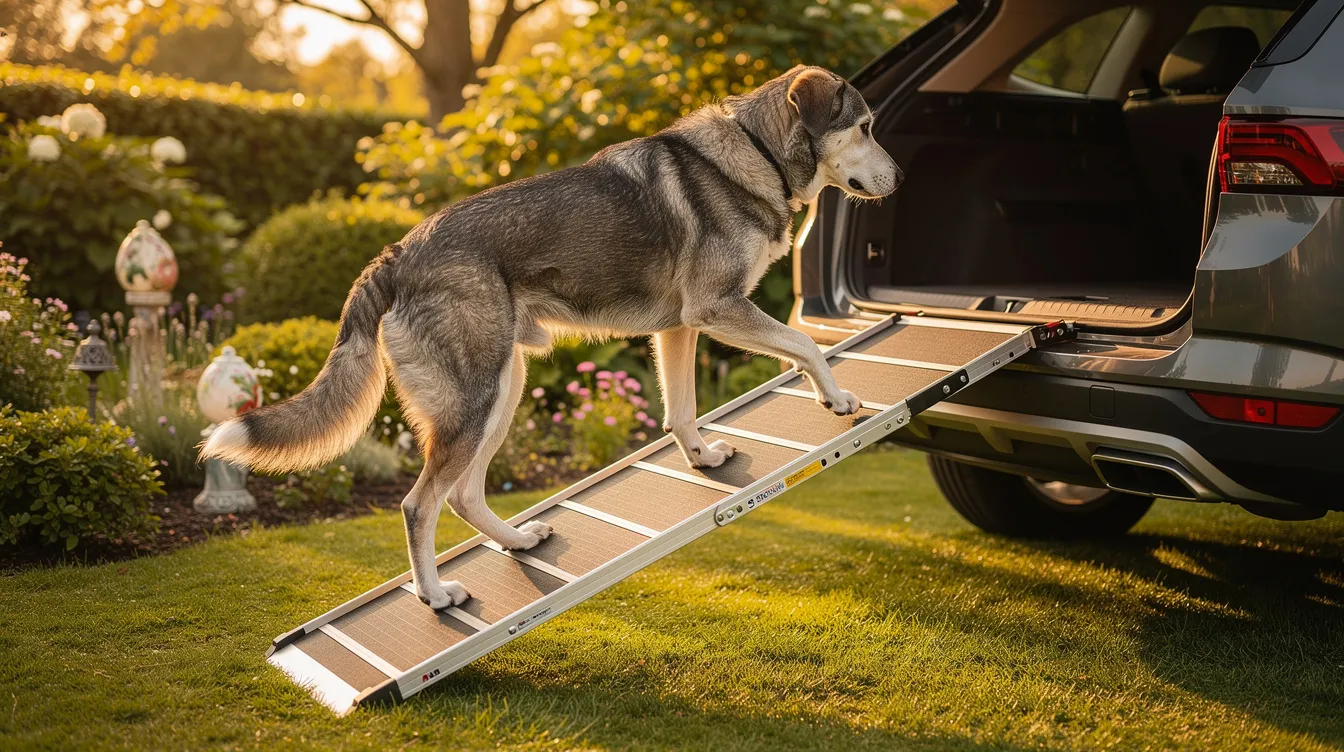
Placeholder: insert "Home adaptations for dogs with hip dysplasia" graphic and "Daily management checklist" graphic.
Keeping dogs with hip dysplasia mentally and physically happy
Reducing high-impact exercise does not mean your dog must live a boring or sedentary life. Dogs with hip dysplasia need engagement and enrichment just as much as any other dog.
Low-impact physical activities
- Controlled lead walks on soft ground such as grass or woodland paths
- Gentle hill walking (once cleared by your vet or physiotherapist)
- Swimming or hydrotherapy sessions where appropriate and enjoyable for your dog
Mental stimulation
- Food-puzzle toys, snuffle mats and scatter feeding to replace or supplement intense physical games
- Basic training and trick training that do not involve jumping, twisting or sudden changes of direction
- Scent games and "find it" activities around the home or garden
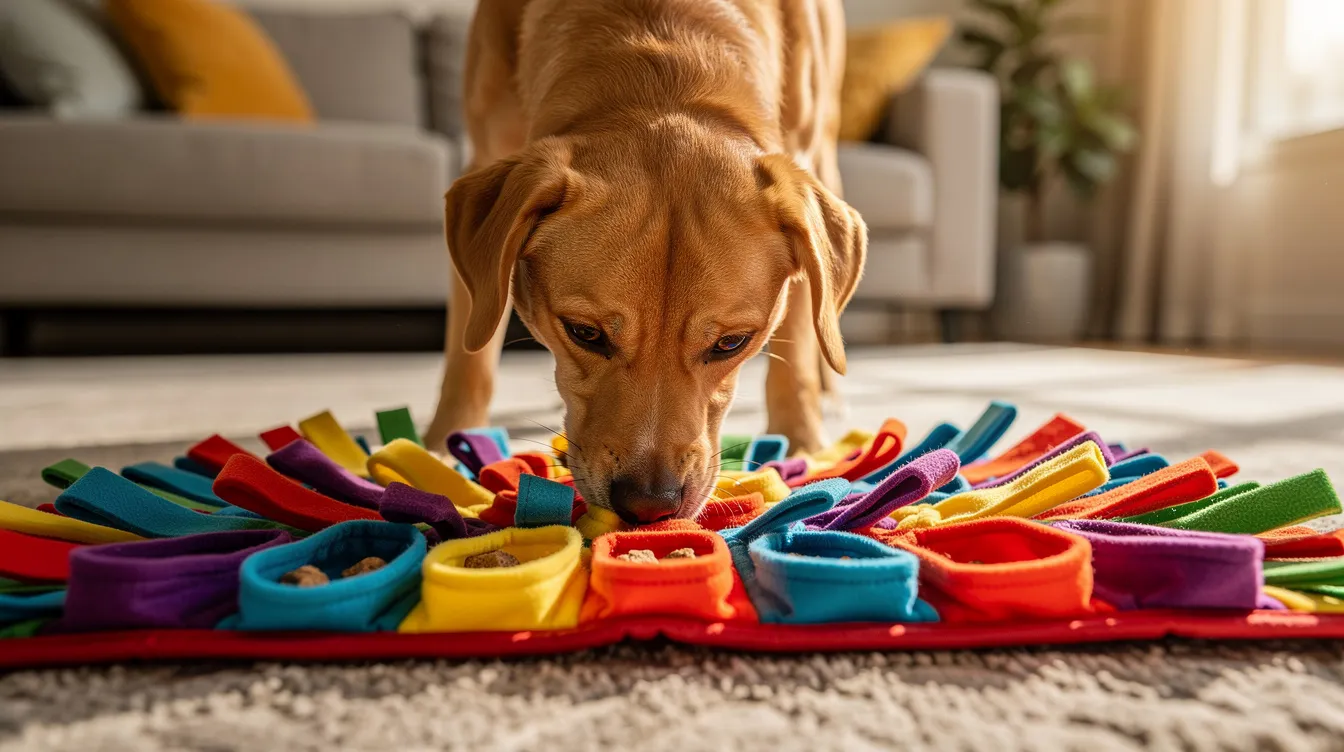
Maintaining good mental health reduces frustration and helps prevent problem behaviours in dogs whose activity must be moderated. A bored, frustrated dog is often a stressed dog - and stress can lower pain tolerance.
Observe your dog's individual limits. If they are stiff or reluctant the morning after an activity, that activity was likely too much. Adjust and find the balance that keeps legs moving without next-day consequences.
Many dogs with hip dysplasia still enjoy rich, engaging lives when their needs are understood and respected.
Prognosis: life expectancy and quality of life
Hip dysplasia rarely shortens life expectancy directly. With appropriate management, most dogs with hip dysplasia can live a normal lifespan for their breed. The condition affects how comfortably they live rather than how long.
What influences prognosis?
Prognosis depends on several factors: severity of the hip deformity, age at diagnosis, body weight, effectiveness of weight control, access to pain relief and whether surgery is used when appropriate. Early diagnosis consistently leads to better long-term outcomes.
Realistic expectations
Many mildly to moderately affected dogs manage well with medical treatment and lifestyle changes alone. Dogs with severe disease may need surgery to achieve good comfort and mobility. Flare-ups are common but usually manageable with temporary adjustments to medication and exercise.
Common questions from owners
"Can my dog still run?" Often yes, in moderation and on suitable surfaces. Short bursts on grass are generally better tolerated than prolonged runs on tarmac.
"Can my dog still swim?" Swimming is often encouraged as a low-impact activity. If your dog enjoys water and is medically fit, it can be excellent exercise.
"Will my dog inevitably become crippled?" No. Early and ongoing care dramatically reduces this risk. Many dogs with hip dysplasia remain mobile and happy throughout their lives.
Quality-of-life scoring tools - such as mobility and pain questionnaires - can help guide decisions over time. Regular veterinary check-ups every 6–12 months allow your vet to adjust the treatment plan as your dog ages and their pet's health needs change.
With early recognition, sensible management and appropriate veterinary care, many dogs with hip dysplasia continue to enjoy active, fulfilling lives.
Can hip dysplasia be prevented?
There is an important distinction between preventing hip dysplasia in future generations (through responsible breeding) and reducing risk or severity in individual dogs (through lifestyle and early management). No approach can completely prevent hip dysplasia in every case, but both strategies help.
Responsible breeding
Selecting parents with good BVA hip scores relative to the breed median is the foundation of reducing inherited diseases like hip dysplasia across generations. Avoid breeding dogs with a family history of CHD or with clinical signs of the condition. Transparent health records and open communication with puppy buyers build trust and improve long-term breed health.
Reducing risk in individual puppies
For large breed puppies and puppies from certain breeds with higher risk:
- Keep puppies lean. Overfeeding puppies increases the risk of hip dysplasia significantly - maintaining a healthy weight throughout growth is one of the simplest protective measures
- Use diets formulated for large breed puppies during growth, which control energy density, calcium and phosphorus balance
- Provide age-appropriate, controlled exercise rather than sustained running or repetitive jumping on hard surfaces at an early age
- Avoid unbalanced home-prepared diets during growth unless formulated with specialist veterinary nutritional support
No diet, supplement or exercise plan can guarantee that you will prevent hip dysplasia entirely, especially in genetically predisposed lines. However, these measures promote healthy hips and meaningfully reduce severity.
Prospective owners of high-risk breeds should research carefully and discuss breed-specific health concerns with a vet before choosing a puppy. Asking for hip scores, elbow scores and broader health test results is always reasonable - responsible breeders will welcome the questions.
Myth vs fact: common misconceptions about hip dysplasia
Misunderstandings about hip dysplasia are widespread. Clearing them up helps owners make better decisions and feel less guilty.
Placeholder: insert "Myth vs Fact comparison" graphic.
Myth: Hip dysplasia only affects large breeds. Fact: Dogs of any breed or size can develop hip dysplasia. Large breed dogs are more commonly and severely affected, but smaller breeds including Pugs and French Bulldogs can also be diagnosed.
Myth: If my puppy passed their puppy check, they can't develop hip dysplasia later. Fact: Puppies are often born with normal-appearing hips. Developing hip dysplasia typically occurs during growth, and radiographic signs may not appear until months or years later.
Myth: Jumping off the sofa caused my dog's hip dysplasia. Fact: Hip dysplasia is primarily a genetic condition. Environmental factors like exercise and weight influence severity, but they do not cause the underlying problem.
Myth: All dogs with hip dysplasia will need hip replacement surgery. Fact: Most dogs with hip dysplasia are managed effectively without surgery. Medical management, weight control and appropriate exercise are sufficient for many.
Myth: If X-rays look bad, my dog must be in agony. Fact: Radiographic changes and clinical signs do not always match. Some dogs with significant X-ray findings develop clinical signs that are surprisingly mild.
Myth: Joint supplements can fix the hip joint shape. Fact: Supplements may support joint comfort and mobility but cannot change bone structure once growth plates have closed.
Myth: Exercise is bad for dogs with hip dysplasia. Fact: The right kind of exercise - regular, low-impact, controlled - is beneficial. Complete rest leads to muscle loss and worsening stiffness.
Myth: Lameness is always obvious. Fact: Dogs often hide pain. Subtle stiffness, behavioural changes or reluctance may be the only visible signs for months.
Myth: Hip dysplasia always shortens life expectancy. Fact: With good management, most dogs with hip dysplasia live normal lifespans for their breed.
Myth: There's nothing more to do once arthritis develops. Fact: Many evidence-based options - from medication to physiotherapy to supplements - remain available throughout a dog's life to help reduce pain and maintain mobility.
FAQs about hip dysplasia in dogs
At what age do dogs usually show signs of hip dysplasia? Dogs may show signs as early as 5–6 months old, though some dogs do not develop clinical signs until adulthood or even their senior years. The age at which signs appear depends on severity, activity level and body weight.
Can hip dysplasia suddenly appear in an older dog? The dysplasia itself develops during growth, but the secondary osteoarthritis it causes may not produce noticeable signs until later in life. It can seem sudden when a gradual process reaches a tipping point.
Is hip dysplasia painful all the time? Not necessarily. Many dogs experience intermittent discomfort - worse after exercise or during cold weather, better after gentle movement. Advanced cases may involve more constant pain, but effective management can keep most dogs comfortable.
How is hip dysplasia different from cruciate ligament disease? Hip dysplasia affects the hip joint; cruciate ligament disease affects the stifle (knee) joint. Both cause hind limb lameness, which is why veterinary assessment is essential for accurate diagnosis.
Do I need a referral to see an orthopaedic specialist? Your primary vet can diagnose and manage most cases. Referral to a specialist is typically recommended if surgery is being considered or if the case is complex.
Will pet insurance cover hip dysplasia surgery? Many policies cover hip dysplasia treatment and surgery, but terms, waiting periods and exclusions vary between providers. Check your policy carefully and discuss with your insurer before proceeding.
Can my dog with hip dysplasia still do agility or flyball? High-impact sports place significant stress on the hip joint. Most vets would advise against competitive agility or flyball for affected dogs, though some low-level, modified activities may be possible depending on severity.
How often should my dog with hip dysplasia see the vet? At minimum, every 6–12 months for a review. More frequent visits may be needed during flare-ups, medication changes or post-surgery.
Can diet alone fix hip dysplasia? No. Diet supports healthy weight and overall joint health but cannot correct the underlying hip structure. It is one part of a broader plan to treat hip dysplasia.
Should I neuter my dog if they have hip dysplasia? This decision is individual and should be discussed with your vet, as timing of neutering may influence musculoskeletal development. There is no single right answer.
Is swimming safe for all dogs with hip dysplasia? Swimming is generally beneficial, but not all dogs enjoy water and some may have other conditions that make swimming inadvisable. Discuss with your vet before starting.
What is the difference between PennHIP and BVA hip scoring? PennHIP measures hip laxity using a distraction index and can be performed from 16 weeks. BVA scoring assesses overall hip conformation and osteoarthritis from 12 months. They measure different things and scores are not interchangeable.
Can puppies outgrow hip dysplasia? No. Hip dysplasia does not resolve with age. Early signs may wax and wane, but the underlying joint abnormality persists and typically leads to progressive osteoarthritis without management.
What does "end-stage hip dysplasia" mean? This describes severely arthritic dog's hips with significant bone remodelling, cartilage loss and chronic pain. At this stage, surgery (THR or FHO) may be the best option for restoring comfort.
How can I tell if my dog's pain is well controlled? Look for willingness to exercise, ease of rising, normal appetite, engagement with the family, and absence of stiffness or lameness. Pain questionnaires provided by your vet can help track changes objectively over time.
Key takeaways for UK dog owners
Hip dysplasia is common and the diagnosis can feel daunting. But there is a great deal owners can do to help their dogs live active, fulfilling lives. Here are the essential points to remember:
- Recognise signs early and seek veterinary assessment - subtle changes in gait, behaviour or enthusiasm matter
- Keep your dog lean throughout life; weight control is the single most impactful thing you can do
- Use controlled, low-impact exercise and consider physiotherapy or hydrotherapy to maintain muscle and joint function
- Follow veterinary advice on pain relief and monitoring - never use human painkillers without instruction
- Consider surgery when recommended and feasible; early joint-preserving procedures have narrow windows
- Use high-quality joint supplements as part of, not instead of, a wider management plan
- Adapt your home to support mobility and independence - ramps, non-slip surfaces and supportive beds make a real difference
- Review quality of life regularly and adjust management as your dog ages
Support is available at every stage - from your primary vet, referral specialists, qualified physiotherapists and trusted educational resources. The journey of managing hip dysplasia is a long one, but it does not have to be a lonely one.
With informed, proactive care, many dogs with hip dysplasia continue to enjoy walks, play and family life for many years.
Further reading and Alder & Hound resources
If you'd like to continue learning about canine joint health, specific ingredients and related conditions, these resources are a good next step:
Alder & Hound guides:
-
The Complete Guide to Joint Health in Dogs - our cornerstone resource
-
Arthritis in Dogs - understanding and managing canine osteoarthritis
-
ForeverRun - Advanced Joint and Mobility Support for owners exploring a premium multimodal supplement
Authoritative external sources:
-
WSAVA Global Nutrition Guidelines - evidence-based veterinary nutrition advice
-
UK veterinary charity information pages (such as PDSA and Blue Cross) on arthritis and hip dysplasia
-
BVA Canine Health Schemes - hip and elbow scoring information for breeders and puppy buyers
Bookmark the Canine Mobility Knowledge Centre for updates on emerging research, new therapies and practical management tips. If you'd like ongoing support, sign up for our email updates - designed to keep you informed with evidence-based guidance, not sales pressure.
Your dog's comfort and mobility are worth investing in. The earlier you start, the more options you have.