

Boswellia for Dogs: Evidence-Informed Guide for UK Owners
If your dog is slowing down on walks, struggling to rise after rest, or showing signs of joint stiffness, you may have come across Boswellia serrata as a natural option worth exploring. This guide covers what Boswellia is, how it works, what the science says, and how to choose a quality product - all written with UK dog owners in mind.
Fast answers: should I give Boswellia to my dog?
Boswellia serrata is a natural herbal extract derived from the resin of the Indian frankincense tree. It is widely used in canine joint supplements to support joint comfort and help manage inflammation. When used at appropriate doses, Boswellia is generally well tolerated and may help soothe sore, stiff joints in dogs with chronic mobility challenges.
Here are the essentials at a glance:
- Boswellia serrata (also called indian frankincense) is a herbal supplement used to support joint health in dogs. Its active compounds, known as boswellic acids, are thought to help calm overactive inflammatory responses.
- UK owners typically consider Boswellia for dogs with osteoarthritis, age-related stiffness, hip or elbow dysplasia, or chronic spinal disease - always alongside veterinary care.
- Current evidence suggests Boswellia may help with mobility and joint comfort. A 2004 veterinary study showed 71% of dogs improved with Boswellia treatment after six weeks of daily use.
- It may take several days to weeks for improvements in mobility after starting Boswellia, with more noticeable changes often emerging between two and six weeks.
- Speak to your vet before starting Boswellia if your dog is pregnant or lactating, has liver or kidney disease, takes multiple medications, or has sudden severe lameness or unexplained pain.
Potential benefits:
- May reduce pain, stiffness and inflammation in dogs with chronic joint problems
- Generally well tolerated with only mild side effects reported
- Can be combined with other joint support ingredients under veterinary guidance
Points to consider:
- Not a replacement for veterinary diagnosis and prescribed treatments
- Product quality and potency vary significantly across brands
- Not all dogs respond, and results are unlikely to be dramatic in advanced disease
What is Boswellia serrata? (Indian frankincense explained)
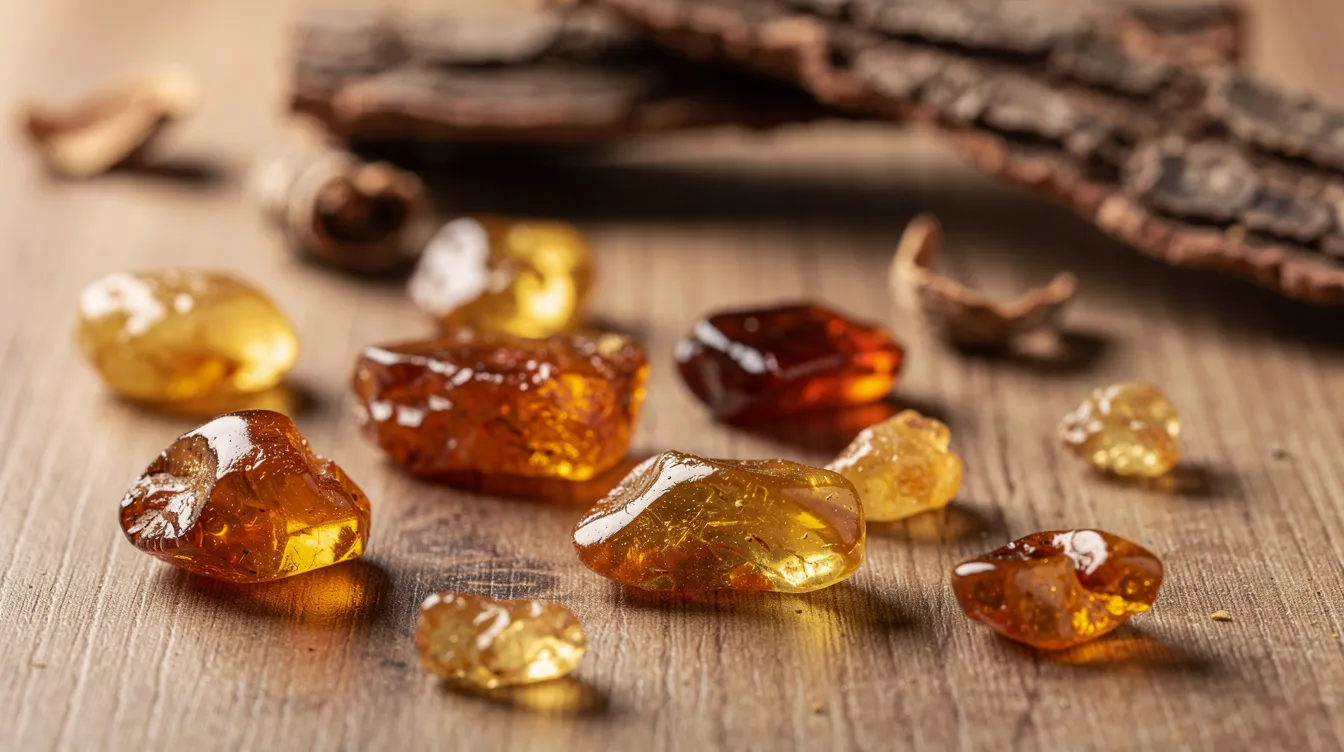
Boswellia serrata is a deciduous flowering plant native to India and parts of the Middle East, including Northern Africa and the Arabian Peninsula. The tree produces a distinctive gum-oleo resin from its bark, which has been used for centuries in Ayurvedic herbal medicine and traditional Unani medicine for joint pain, respiratory system complaints, and digestive support. In traditional practice, the resin was also valued for its ability to aid digestion and provide colonic support - uses that sit alongside its better-known role in soothing sore stiff joints.
When we talk about Boswellia for dogs, we are referring to the purified resin or processed extract - not essential oils, incense, or aromatherapy products. The resin is one of several medicinal plants now attracting interest in veterinary medicine for its anti inflammatory properties, particularly in the context of canine joint health.
A few terms are worth clarifying:
- Boswellia serrata is the botanical species name. "Indian frankincense" is the common name for its resin.
- Boswellia powder refers to ground resin, which may have variable potency from batch to batch.
- Standardised extract means the resin has been processed to guarantee a specific percentage of active compounds.
- Boswellic acids are the key group of active plant compounds. The most studied of these is AKBA (acetyl-11-keto-β-boswellic acid).
Historically, humans have used Boswellia preparations for conditions such as osteoarthritis, inflammatory bowel concerns, and to soothe digestive issues. Its colonic support properties also attracted attention in traditional medicine. More recently, interest has grown in herbal therapies for animals, particularly for managing osteoarthritis in dogs.
How Boswellia works in dogs: boswellic acids and AKBA in simple terms
Unlike conventional painkillers such as NSAIDs, Boswellia does not simply block pain signals. Instead, it acts as a natural anti inflammatory that supports a healthy inflammatory response within the body. Think of it as helping to turn down the volume on inflammation rather than masking the symptoms.
The active compounds responsible are a group of plant chemicals called boswellic acids. These pentacyclic triterpenoids are thought to work through several complementary pathways:
- Inhibiting 5-lipoxygenase (5-LOX): This enzyme drives the production of leukotrienes, which are potent inflammatory mediators. Boswellia works by inhibiting leukotriene synthesis, helping to reduce inflammation at its source.
- Suppressing the NF-κB pathway: This lowers the transcription of proinflammatory cytokines such as TNF-α, IL-1β and IL-6, as well as enzymes like COX-2 that contribute to pain and swelling.
- Reducing matrix metalloproteinases (MMPs): These enzymes break down joint cartilage. By suppressing MMPs, Boswellia may help preserve the structural integrity of joint cartilage over time.
- Antioxidant activity: Boswellic acids help scavenge reactive oxygen species and support antioxidant enzymes, protecting cells in and around joints from oxidative stress.
- Among the boswellic acids, AKBA (acetyl-11-keto-β-boswellic acid) is one of the most studied. It is often used as a marker of extract potency - extracts with higher AKBA content tend to show stronger anti inflammatory effects in laboratory settings. However, AKBA is not the only important compound; other boswellic acids also contribute to the overall effect.
Boswellia is not a steroid and does not replace prescription medications for serious joint disease. It may, however, complement veterinary treatment by helping to reduce pain and inflammation in joints.
In everyday terms, Boswellia:
- Helps calm overactive inflammatory signals in and around joints
- Supports comfortable movement rather than acting as a direct painkiller
- May help maintain healthy joint cartilage when used consistently
- Can reduce pain and discomfort in dogs as part of a broader care plan
- Scientific evidence: Boswellia in canine joint and spinal disease
Most of the direct evidence for Boswellia in dogs comes from a small number of clinical trials and is supplemented by findings from human and laboratory studies. The evidence is promising but not yet definitive, and larger trials would strengthen our understanding.
The most frequently cited canine study is the 2004 multi-centre veterinary trial by Reichling and colleagues, which provided dietary support with Boswellia resin in canine inflammatory joint and spinal disease:
- 29 dogs with chronic joint or spinal disease were enrolled (25 cases confirmed radiologically).
- Each dog received a Boswellia serrata resin extract (BSB108) daily for six weeks, dosed at 400 mg per 10 kg bodyweight.
- After two weeks, approximately 71% of evaluable dogs showed improvement in clinical signs including intermittent lameness, local pain, and stiff gait.
- By six weeks, symptom reduction became more pronounced. A study showed 71% of dogs improved with Boswellia after 6 weeks of consistent daily use.
- Side effects were minor: five dogs experienced brief diarrhoea or flatulence, with only one case possibly linked to the supplement.
For owners, this means Boswellia shows promise as a supplement for dogs with arthritis or inflammatory joint conditions, particularly when used as part of a broader management plan. However, not all dogs respond equally, and the optimal dose, duration and formulation are still being refined through ongoing research.
Laboratory and animal model studies provide further mechanistic support, demonstrating reductions in joint swelling, cartilage damage and inflammatory markers in experimental arthritis. Broader veterinary interest in herbal therapies - including curcumin, Boswellia and other botanical compounds - continues to grow as integrative options alongside conventional treatments.
What we know:
- Boswellia resin extract can support comfort and mobility in many dogs with chronic joint or spinal disease
- Side effects are generally mild and short-lived
- Standardised extracts deliver more reliable levels of active boswellic acids
What we don't yet know:
- The optimal dose for different breeds, sizes and disease stages
- Long-term safety data in dogs with liver, kidney or other concurrent disease
- How Boswellia compares directly to NSAIDs or other supplements in head-to-head trials
- Detailed pharmacokinetics (absorption, metabolism, plasma levels) specifically in dogs
Boswellia and canine joint health: which dogs might benefit?
Boswellia is one tool among many for supporting canine joint health and mobility. It is commonly recommended for dogs with osteoarthritis and age-related stiffness, particularly when integrated into a wider care plan.
Dogs that may benefit include:
- Middle-aged or older dogs with veterinary-diagnosed osteoarthritis - for example, a Labrador with elbow dysplasia or a Spaniel with hip joint changes. Boswellia may improve joint mobility in dogs with arthritis when used alongside appropriate veterinary care.
- Working or active dogs experiencing chronic stiffness - agility dogs, gundogs or dogs that develop stiff joints and muscles after intense exercise may find support from Boswellia as part of their recovery routine.
- Dogs with chronic spinal disease - where the vet has confirmed the diagnosis and is comfortable with herbal dietary support as an adjunct to conventional therapy.
- Boswellia is effective for managing stiffness in arthritic dogs, but it works best alongside:
- Weight management and controlled, appropriate exercise
- Veterinary-prescribed pain relief or NSAIDs where clinically indicated
- Other supplements such as Green Lipped Mussel, glucosamine, MSM or hyaluronic acid
- Boswellia is not appropriate as a stand-alone approach for acute non-weight-bearing lameness, neurological emergencies (such as sudden paralysis or loss of bladder control), or unexplained rapid deterioration. These situations require urgent veterinary assessment.
Ask your vet about Boswellia if:
- Your dog has been diagnosed with osteoarthritis or degenerative joint disease
- You are looking for complementary dietary support alongside prescribed therapies
- Your dog shows chronic, low-grade stiffness affecting joints and muscles - Boswellia may offer additional comfort
- You want to explore evidence-informed herbal options under professional guidance
Whole Boswellia powder vs standardised extract: why the label matters
Not all Boswellia products for dogs are equivalent in strength or consistency. Understanding the difference between whole boswellia powder and a standardised extract is vital for making an informed choice.
Whole Boswellia powder:
- Typically ground resin, sometimes including other plant material
- Natural variation in boswellic acid content from batch to batch
- Often cheaper per gram, but less predictable in potency
- Difficult to know how much active compound your dog is actually receiving
Standardised Boswellia extract:
- Processed to contain a defined percentage of boswellic acids (for example, 65% boswellic acids)
- Offers more consistent dosing, which is why standardised forms are used in most clinical trials
- Smaller gram amounts can deliver substantially higher levels of active compounds
- A standardised extract with 65% boswellic acid concentration can be 50-60 times stronger than standard unstandardised formulations in terms of active compound delivery per milligram
- The percentage of boswellic acids matters enormously. An extract standardised to 65% boswellic acids delivers over three times the active content of one standardised to just 20%, even at the same gram weight. Labels that state only "Boswellia" or "frankincense" without specifying a percentage make meaningful comparison between products almost impossible.
Laboratory analysis of commercially available canine Boswellia supplements has revealed significant variation in AKBA and total boswellic acid content. Many products are unstandardised or under-specify their active compound levels, which can affect efficacy.
When reading labels, look for:
- "Boswellia serrata extract standardised to X% boswellic acids" - this tells you what you are actually getting
- Whether the percentage refers to total boswellic acids or specifically AKBA
- The total amount of extract per serving, not just per tablet or scoop
Practical comparison points for owners:
- A higher price per gram may represent better value if the extract is more concentrated
- Cost per milligram of boswellic acids is a more useful comparison than cost per gram of powder
- Consistency matters: standardised extracts help ensure quality and reliable dosing over time
Dosage and how to give Boswellia to dogs
Exact dosing of Boswellia should always be confirmed with your vet, especially if your dog has existing health conditions or takes other medications. The information below provides general context, not a personalised prescription.
In the Reichling trial, dogs received approximately 400 mg of Boswellia serrata extract per 10 kg bodyweight daily. As a general reference point, the recommended dosage of Boswellia for dogs is approximately 5 to 10 mg per lb of body weight per day, depending on the product's concentration and the dog's individual needs. However, commercial products vary widely in concentration and form, so the manufacturer's feeding guidelines for that specific product should always take precedence.
Boswellia is available in powder, capsules, and tablet forms for administration. Here are common formats and tips for giving Boswellia to your dog:
- Powders: Mix into damp food. Most dogs accept the mild, slightly resinous taste without fuss.
- Capsules: Can be swallowed whole (wrapped in a treat or small piece of food) or opened and sprinkled over a meal.
- Chews or combined formulas: Often include Boswellia alongside other joint-support ingredients. These can be the simplest option for fussy eaters.
Practical owner advice:
- Start with the full recommended dose unless your vet suggests a gradual introduction for dogs with sensitive stomachs.
- Give Boswellia at the same time each day for consistency.
- Keep a simple diary recording your dog's mobility, stiffness and behaviour over four to six weeks. Note any changes - positive or otherwise.
- If you miss a dose, do not double the next one. Simply resume the normal schedule.
- If your dog refuses the supplement in food, try a different format or mix it with a small amount of something more appealing.
Adjust the dose only under veterinary supervision, particularly for long term use or if combining Boswellia with pharmaceuticals.
How long does Boswellia take to work in dogs?
Unlike some prescription painkillers that offer rapid relief, herbal therapies such as Boswellia tend to work gradually. Boswellia acts as a potent anti-inflammatory that can manage inflammatory joint conditions, but owners should not expect overnight transformation.
Here is what the evidence and clinical experience suggest:
- 10–14 days: Some dogs may show subtle changes - slightly easier movement after a long rest, less reluctance to get up, or a marginally more fluid gait.
- 2–4 weeks: In the Reichling trial, around 71% of dogs showed measurable improvement in signs such as sore stiff joints, stiffness and lameness by the two-week mark.
- 4–6 weeks: Benefits typically become more pronounced. This is generally the minimum period needed to fairly judge whether Boswellia is helping your dog.
- Several months: For chronic osteoarthritis, Boswellia can improve joint mobility and comfort progressively over longer periods, particularly when combined with weight management and appropriate exercise.
Did You Know?
Boswellia serrata resin has been used in traditional Ayurvedic medicine for centuries. Modern research is now investigating how its naturally occurring boswellic acids may support healthy inflammatory responses in both people and animals.
What "improvement" typically looks like:
- Easier rising from bed or after rest
- Less stiffness first thing in the morning or after lying down
- Greater willingness to walk, play or climb stairs within vet-advised activity limits
- A more comfortable, less guarded gait
Boswellia is unlikely to completely remove severe pain or replace veterinary treatment in advanced disease. If you see no visible improvement after six to eight weeks of consistent use, it is worth reviewing the situation with your vet - the dose may need adjusting, the product potency may be insufficient, or additional therapies may be needed.
For a featured-snippet summary: Most owners should allow at least four to six weeks of daily use before judging whether Boswellia is helping their dog's mobility and comfort.
Safety, side effects and risk factors for Boswellia in dogs
Boswellia is generally well tolerated in dogs but can cause mild gastrointestinal effects, particularly in the first few days of use. Serious adverse reactions are uncommon, but any supplement carries some degree of risk.
Commonly reported side effects include:
- Mild intermittent diarrhoea, usually resolving within a few days
- Flatulence
- Loose stools or occasional nausea
- Boswellia may cause mild diarrhea and flatulence, especially when first introduced
- Rare allergic-type reactions (itching, facial swelling, vomiting) - these require urgent veterinary care
Key risk factors where extra caution is needed:
- Dogs with existing liver or kidney disease, as metabolism and excretion of compounds may be impaired
- Dogs on multiple medications, including NSAIDs, steroids or anticoagulants - the gastrointestinal track can be more sensitive in these animals
- Pregnant or lactating bitches: Boswellia should not be used in pregnant or lactating dogs due to a lack of safety data
- Very young puppies, unless under close veterinary supervision
- Sensitivities to Boswellia can develop over time in pets, so ongoing monitoring is important even in dogs that initially tolerate it well
Stop the supplement and contact your vet immediately if:
- Side effects are severe, persistent, or worsening
- Your dog becomes acutely lame, very painful, or unsteady on their legs
- You notice any signs of an allergic reaction such as swelling, hives or difficulty breathing
- It is worth remembering that "natural" does not automatically mean safe for every dog. As the WSAVA Global Nutrition Guidelines emphasise, all nutritional and supplementary interventions should be evaluated critically. Natural supplements should be used under veterinarian guidance for dogs with joint issues, and digestive issues or other concerns should always be reported to your vet.
Boswellia and drug interactions in veterinary medicine
Boswellia may interact with other medications, which is why consultation with a veterinarian is essential when incorporating Boswellia with other drugs. Your vet needs a complete list of everything your dog is taking - including supplements, vitamins, herbs and any over-the-counter products.
Potential interactions and considerations:
- Anticoagulants: Boswellia may interact with certain medications like Warfarin or similar anticoagulant drugs. Because boswellic acids may influence platelet aggregation, combining them with blood-thinning medications could theoretically increase bleeding risk.
- NSAIDs and corticosteroids: If your dog is already on anti inflammatory medications for osteoarthritis, adding Boswellia may create additive effects on the gastrointestinal tract. This does not mean they cannot be combined, but careful monitoring is essential.
- Liver metabolism: Boswellia compounds are processed by the liver, so there is a theoretical possibility of affecting how some drugs are metabolised. Dogs on complex medication regimens deserve closer supervision.
Clear instructions for owners:
- Always tell your vet about all supplements, herbal therapies, and vitamins your dog receives
- Do not add multiple new supplements at once - introduce one change at a time so that any reactions can be attributed correctly
- Avoid combining several products that contain Boswellia unless the total dose has been checked by a vet or veterinary pharmacist
In an emergency:
- Stop the supplement immediately
- Contact your own veterinary practice or an out-of-hours emergency service
- Take the supplement container to the appointment so the vet - or the practice's medical director - can see the exact product, ingredients and strength
Vet Tip
If your dog suddenly becomes unable to bear weight on a leg, develops severe pain, or loses coordination, seek veterinary attention promptly. Joint supplements are designed for long-term support and are not a substitute for emergency assessment.
Choosing a high-quality Boswellia supplement for your dog
Product quality varies widely in the canine supplement market. Because supplements are not regulated as medicines in the UK, the onus falls on pet owners to look for clear markers of a well-formulated product. Choosing carefully selected, transparent brands helps ensure quality and consistency.
Practical buyer's checklist for UK dog owners:
- The label clearly states "Boswellia serrata" (the species name), not just "frankincense" or "herbal blend"
- Standardisation is specified - for example, "standardised to 65% boswellic acids"
- The ingredient list is transparent, with no unnecessary artificial colours or flavours
- Batch numbers, best-before dates and manufacturer contact details (UK or EU based) are visible on the packaging
- The product has been tested for contaminants such as heavy metals, which can be present in poorly sourced botanical raw materials
Other quality cues to look for:
- Evidence of quality control or third-party testing
- Realistic, evidence-informed claims - reputable brands do not promise to cure arthritis or replace veterinary care
- Clear feeding guidelines based on dog size or bodyweight
Some owners prefer simple single-ingredient Boswellia products, which can work well for dogs already receiving other supplements separately. Others may prefer comprehensive joint formulas that combine Boswellia with ingredients such as Green Lipped Mussel, glucosamine, MSM, hyaluronic acid and antioxidants - offering broader support in a single daily serving.
At Alder & Hound, our goal is to help owners understand ingredients, not just buy them. We believe informed decisions lead to better outcomes for dogs. For a wider view of how different joint support ingredients work together, explore the complete guide to joint health in dogs in our Canine Mobility Knowledge Centre.

Boswellia vs other joint supplements (GLM, glucosamine, MSM, turmeric)
No single ingredient suits every dog, and many of the most effective joint supplements use combinations of complementary ingredients for broader support. Understanding how Boswellia compares with other supplements helps owners and vets build the right plan.
Green Lipped Mussel (GLM, Perna canaliculus)
GLM is a marine-sourced ingredient rich in omega-3 fatty acids (EPA and DHA) and glycosaminoglycans. It offers both anti inflammatory benefits and direct nutritional support for joint cartilage. The evidence base for GLM in reducing lameness and improving comfort in dogs with osteoarthritis is among the strongest of any canine joint supplement. For a detailed look, see the Green Lipped Mussel for dogs guide.
Glucosamine
Glucosamine is a building block of cartilage and connective tissue, often combined with chondroitin. It works more slowly than anti inflammatory ingredients and is primarily structural - helping maintain the joint environment rather than directly calming inflammation.
MSM (Methylsulfonylmethane)
MSM is a natural sulphur source associated with comfort in joints and soft tissues, including muscles. It may have mild anti inflammatory effects but is generally considered less potent than Boswellia or GLM in that regard.
Turmeric / Curcumin
Turmeric, a member of the ginger family, contains curcumin - a compound with strong antioxidant and anti inflammatory properties. However, curcumin has well-documented bioavailability challenges and often requires specialised formulations to be effectively absorbed. Emerging research suggests turmeric and Boswellia may work synergistically for osteoarthritis relief when used together.
How they compare - a simple summary:
- Boswellia: Primarily modulates inflammatory pathways (5-LOX, NF-κB). Its strength lies in calming overactive inflammation.
- GLM: Dual role - anti inflammatory omega-3s plus cartilage-nourishing glycosaminoglycans. Broadest evidence base in dogs.
- Glucosamine/MSM: Structural and supportive nutrients. Help maintain cartilage and supply sulphur for connective tissue.
- Turmeric: Another herbal anti inflammatory option, potentially synergistic with Boswellia but requires careful formulation.
- Boswellia is often included alongside other joint-support ingredients in comprehensive formulas precisely because each ingredient addresses a slightly different aspect of joint health.
Using Boswellia alongside veterinary care for osteoarthritis
Osteoarthritis is a lifelong, progressive joint disease that should always be managed under veterinary guidance. No supplement - Boswellia included - replaces the need for proper diagnosis and a structured management plan.
A typical veterinary approach to osteoarthritis includes:
- Clinical examination and thorough history-taking
- Diagnostic imaging (such as X-rays) where indicated
- A multimodal management plan covering weight control, tailored exercise, pain relief (NSAIDs or other medications where appropriate), and sometimes physiotherapy or hydrotherapy
Boswellia fits within the "dietary support" arm of this plan. It may complement prescribed treatments by helping to reduce pain and increase joint mobility through its anti inflammatory and cartilage-protective mechanisms. Some vets report that dogs receiving Boswellia and other supplements may, over time, need adjustments to their pain relief - but this should only ever be assessed and directed by the veterinary team. Never reduce or stop prescribed medications without explicit veterinary approval.
Owner responsibilities when using Boswellia alongside veterinary care:
- Continue all prescribed medications unless the vet explicitly changes them
- Monitor your dog's mobility, mood and activity levels, keeping notes for vet appointments
- Attend regular check-ups to reassess joint health and adjust the plan as the disease progresses
- Report any changes - positive or negative - so the vet can factor supplement use into their clinical picture
Boswellia can reduce pain and inflammation in joints, but it works within a team effort. For more on how osteoarthritis is managed and where supplements fit, visit the Alder & Hound guide on joint health for dogs.
Dietary support, body weight and lifestyle: getting the basics right
No supplement, including Boswellia, can compensate for excess bodyweight or unsuitable exercise. Getting the fundamentals right is the single most impactful thing an owner can do for a dog with joint problems.
Nutrition basics:
- Feed a complete, balanced diet appropriate for your dog's life stage, breed and health status. Evaluate food based on nutritional adequacy and manufacturer reliability, not just marketing claims or trendy single ingredients.
- An anti inflammatory dietary pattern - for example, ensuring appropriate omega-3 intake from marine sources - can complement Boswellia's effects on the body.
- Some owners choose to feed bone broth as a palatable way to encourage hydration and provide additional nutrients. While bone broth can be a gentle food topper, it is not a substitute for a complete diet or a targeted supplement.
Key lifestyle factors for dogs with inflammatory joint or spinal disease:
- Maintain a lean body condition. Even modest weight reduction can meaningfully decrease the load on affected joints and improve good health outcomes.
- Prioritise regular, moderate, low-impact exercise - controlled lead walks, gentle swimming or hydrotherapy - rather than sporadic intense activity.
- Adapt the home environment: non-slip flooring, ramps instead of stairs where possible, and a supportive bed to reduce discomfort after rest.
Boswellia works best as part of a complete joint care plan:
- Combine with weight management for maximum impact on joint load
- Use alongside appropriate exercise to maintain muscle mass and joint stability
- Pair with other evidence-informed supplements where your vet recommends it
- Treat it as one element of lifelong support, not a magic fix in isolation
Can Boswellia help spinal disease in dogs?
"Spinal disease" is an umbrella term covering many different conditions - from intervertebral disc disease (IVDD) to degenerative changes in the vertebral column. These vary enormously in severity, and the role of supplements differs accordingly.
In the 2004 Reichling trial, dogs with both joint and spinal disease were included. Those receiving Boswellia resin as dietary support showed improvement in clinical signs including pain, lameness and stiff gait. This suggests that Boswellia may support comfort in some chronic spinal conditions, particularly where inflammation contributes to ongoing discomfort.
However, there are important caveats:
- Boswellia is not suitable as a sole treatment in acute spinal emergencies, such as sudden paralysis, severe disc extrusion, or rapid loss of function in the hind legs.
- Neurological signs - knuckling, dragging paws, loss of bladder or bowel control - require urgent veterinary assessment, not supplements.
- In chronic, stable cases of spinal disease where the vet has confirmed the diagnosis and is managing pain, Boswellia may be a useful addition to the broader care plan.
Questions to ask your vet if your dog has spinal disease and you are considering Boswellia:
- What is the exact diagnosis, and what is the likely progression?
- Is my dog currently on any medications that might interact with Boswellia?
- Would herbal dietary support be appropriate alongside current treatments?
- What are realistic goals - comfort maintenance, or can we hope for improvement in mobility?
- Are there any animals with this specific condition where Boswellia would be contraindicated?
Realistic expectations: what Boswellia can and cannot do
It is natural for owners to hope for dramatic improvement, especially when watching an older dog struggle with arthritis. Boswellia is a valuable tool, but setting realistic expectations helps avoid disappointment and ensures you give the supplement a fair trial.
What Boswellia may reasonably help with:
- Supporting everyday comfort in mildly to moderately affected dogs with stiff or sore joints
- Boswellia can soothe sore, stiff joints in dogs when used consistently as part of daily care
- Helping maintain mobility as part of a wider lifestyle and veterinary plan
- Offering pet owners who prefer to include herbal therapies a credible, evidence-informed option under vet guidance
What Boswellia cannot do:
- Reverse existing joint damage or "cure" osteoarthritis - the disease is progressive, and no supplement can undo structural changes
- Replace weight management, physiotherapy, or prescribed pain relief
- Guarantee improvement in every dog - individual responses vary based on breed, severity, product potency, and concurrent care
- Treat acute injuries, fractures or neurological emergencies
Measure progress using practical, everyday indicators: is your dog more willing to go for a walk? Can they jump into the car more easily? Do they seem less stiff after a long rest? These small changes are often more meaningful than expecting a return to puppy-level energy.
Caring for a dog with long-term joint problems is an emotional journey. Feeling unable to take away all of your dog's discomfort is one of the hardest parts of pet ownership. Every small step towards greater comfort matters, and choosing to explore evidence-informed options like Boswellia is a thoughtful act of care.
Boswellia within a comprehensive joint formula: the ForeverRun example
Many high-quality joint supplements combine several evidence-informed ingredients rather than relying on one alone. This multi-ingredient approach aims to address different aspects of joint health simultaneously - calming inflammation, nourishing cartilage, supporting connective tissue, and protecting against oxidative damage.
A well-designed comprehensive formula might include:
- An anti inflammatory botanical such as Boswellia serrata to modulate inflammatory pathways
- A marine source like Green Lipped Mussel for omega-3 fatty acids and glycosaminoglycans
- Structural joint nutrients such as glucosamine, MSM and hyaluronic acid
- Antioxidants (for example, vitamin C) to support connective tissue health and maintain cartilage resilience
Alder & Hound's ForeverRun is formulated as a daily joint and mobility supplement for UK dogs, combining these categories of ingredients into a single daily serving. ForeverRun includes Boswellia serrata extract as part of its multi-ingredient approach, alongside Green Lipped Mussel, MSM, glucosamine, hyaluronic acid, Reishi mushroom and vitamin C. Boswellia contains 65% boswellic acids for joint support in the ForeverRun formulation, providing a meaningful, standardised dose designed to supply consistent levels of active compounds. For a medium-sized dog, the daily serving is formulated to deliver 725 mg of Boswellia serrata extract standardised to 65% boswellic acids - a concentration chosen to align with the levels suggested by clinical research.
ForeverRun is designed as one part of a comprehensive joint care strategy, not a standalone cure. It reflects the principle that carefully selected, complementary ingredients can work together more effectively than any single component on its own.
For full formulation details, feeding guidelines by weight, and educational context on each ingredient, visit the ForeverRun product page or explore the ingredient guides in the Alder & Hound Canine Mobility Knowledge Centre.
Frequently asked questions about Boswellia for dogs
Is Boswellia safe for long-term use in dogs?
Boswellia is considered safe for long term use in dogs when given at appropriate doses and monitored by a vet. The available evidence shows a mild side-effect profile, but long-term studies specifically in dogs remain limited. Periodic veterinary check-ups are advisable, especially for older dogs or those with concurrent health conditions.
Can I give Boswellia to my dog alongside Metacam or other NSAIDs?
Many dogs take Boswellia alongside prescribed NSAIDs without problems, but this should always be discussed with your vet. There is a theoretical risk of additive gastrointestinal effects, so monitoring for signs such as vomiting, reduced appetite or dark stools is important. Never adjust your dog's prescribed medications without veterinary approval.
Can puppies take Boswellia?
There is very limited safety data on Boswellia use in very young puppies. It is best reserved for adult dogs unless a vet specifically recommends it. Most joint supplements, including Boswellia, are formulated for dogs that have finished growing or are showing signs of joint wear.
Is Boswellia better than CBD oil for dog arthritis?
Both Boswellia and CBD are areas of active research for canine joint comfort. Boswellia has a longer track record in published veterinary trials and a clearer mechanism of action via 5-LOX inhibition. CBD regulation and product quality vary considerably. Neither should be considered a replacement for the other, and both require veterinary oversight. There is currently no strong head-to-head comparison in dogs.
Can Boswellia be used with other herbal therapies like turmeric or Devil's Claw?
In principle, combining Boswellia with other herbs such as turmeric may offer complementary benefits - some research suggests synergy between boswellic acids and curcumin. However, stacking multiple herbal therapies increases the complexity of monitoring for side effects and interactions. Introduce one new supplement at a time and discuss combinations with your vet.
Can Boswellia be given with Green Lipped Mussel?
Yes. Boswellia and Green Lipped Mussel work through different mechanisms and are often included together in comprehensive joint supplements. Green Lipped Mussel provides omega-3 fatty acids and glycosaminoglycans, while Boswellia primarily supports a healthy inflammatory response. If your dog is taking prescription medication or has an existing medical condition, check with your veterinarian before introducing new supplements.
Can cats take Boswellia?
While Boswellia has been studied primarily in dogs and humans, some vets may consider it for cats on a case-by-case basis. However, cats metabolise herbs differently, and safety data in felines is very limited. Always consult a vet before giving any supplement to cats.
Where can I find reliable information about Boswellia and other joint supplements?
Look for evidence-based veterinary resources and educational platforms. The Alder & Hound Canine Mobility Knowledge Centre provides detailed, referenced guides on individual ingredients, joint conditions and practical advice for UK dog owners.
Checklist: is Boswellia right for my dog right now?
Before purchasing a Boswellia supplement, work through this practical checklist to make sure the timing and context are right.
Readiness checklist:
- Has your dog had a recent veterinary assessment for their joint or spinal problem? A clear diagnosis is the foundation of any supplement plan.
- Do you know your dog's current diagnosis and full list of medications? Your vet needs this information to advise on safety.
- Is your dog at a healthy bodyweight, or is weight loss also part of the plan? Supplements work best alongside good body condition.
- Are you able to give a supplement consistently every day for at least six weeks? Boswellia needs time to build its effects.
- Have you budgeted for a high-quality product with standardised boswellic acid content, rather than the very cheapest option available?
- Are you prepared to monitor your dog's symptoms and keep a simple diary of changes?
When to pause or avoid starting Boswellia:
- Sudden severe lameness, collapse, or inability to stand - seek emergency veterinary care
- Unexplained weight loss, lethargy, or loss of appetite - investigate the cause first
- Pregnancy or lactation - avoid Boswellia until after weaning
- If your dog is already on complex drug regimens and you have not yet discussed adding a supplement with your vet
Starting a supplement is a positive step, but it should always sit within a broader picture of veterinary care, nutrition and lifestyle. If you are unsure whether Boswellia is the right choice for your dog, your vet is the best person to advise - and the Alder & Hound Knowledge Centre is here to help you understand the options.
Key takeaways and next steps for UK dog owners
Boswellia serrata is an evidence-informed herbal ingredient with genuine potential to support joint comfort and a healthy inflammatory response in dogs. Here are the key points to take away:
- What it is: Boswellia is a natural herbal extract from the indian frankincense tree. Its active compounds - boswellic acids, including AKBA - help modulate inflammatory pathways rather than simply masking pain.
- What the evidence says: The strongest canine evidence comes from a 2004 trial showing 71% of dogs improved with Boswellia treatment for inflammatory joint and spinal disease. The results are promising, but larger trials are needed.
- Product quality matters: Standardised extracts (such as those with 65% boswellic acids) deliver far more consistent and reliable dosing than unstandardised boswellia powder. Always check the label.
- Safety and monitoring: Boswellia is generally well tolerated, with mild gastrointestinal effects as the most common concern. It should not be used in pregnant or lactating dogs, and veterinary oversight is important for any dog on medications.
- It works best as part of a plan: Boswellia is not a cure. Combined with weight management, appropriate exercise, veterinary care and other evidence-informed supplements, it can be a valuable part of supporting your dog's mobility and comfort as they age.
Your next steps:
- Explore the Alder & Hound complete guide to joint health in dogs for a wider view of managing arthritis and related conditions
- Read the ingredient guides in the Canine Mobility Knowledge Centre to understand how Boswellia, Green Lipped Mussel, glucosamine and other ingredients work together
- Discuss Boswellia with your own vet as part of a personalised plan for your dog's needs
Thoughtful, evidence-informed decisions can make a real difference to your dog's comfort and enjoyment of daily life. Every dog who moves a little more freely, rises a little more easily, or greets you at the door with a little more enthusiasm is proof that the effort is worthwhile.