

Green Lipped Mussel for Dogs: Evidence‑Informed Guide for UK Owners
Arthritis is the number one cause of chronic pain in dogs, and 80% of dogs over eight years old are affected by it. Watching your dog hesitate before jumping into the car, struggle to climb the stairs, or take a little longer to stand up can be worrying. For many owners, these subtle changes are the first signs that their dog’s joints may need extra support.
One ingredient that has attracted increasing attention from veterinarians, researchers and dog owners alike is New Zealand Green Lipped Mussel (Perna canaliculus). Rich in unique omega-3 fatty acids, glycosaminoglycans and other naturally occurring compounds, it has become a key ingredient in many premium joint supplements.
But what does the research actually show?
This evidence-informed guide explains what Green Lipped Mussel is, how it may support joint health, what the current science says, and how to choose a high-quality supplement for your dog.
This guide breaks down the science, the practical considerations, and the honest limitations of green lipped mussel so you can make a well-informed decision alongside your vet.
Green lipped mussel for dogs: quick answer for busy owners
New Zealand green lipped mussel (Perna canaliculus) is a marine ingredient increasingly used in dog joint supplements, particularly for stiffness, age-related mobility issues, and comfort in dogs with osteoarthritis.
Here are the essentials:
- What it is: A specific mussel species native to New Zealand waters - not just any shellfish. It is distinguished by its bright green stripe along the shell edge.
- How it may help: It provides omega 3 fatty acids (including a rare one called ETA), glycosaminoglycans, glucosamine, amino acids, and minerals that may help reduce inflammation and support joints.
- Which dogs may benefit: Older dogs, large breeds, active or working dogs, and dogs with a veterinary diagnosis of osteoarthritis - as part of a wider joint care plan.
- Safety: Generally well tolerated in most dogs, with caveats for dogs with a shellfish allergy and those on other medications.
Green lipped mussel is a nutritional supplement, not a medicine. It is not a cure for joint disease but can help in management. Owners should speak to their vet before using it in dogs with existing health problems.
What does green lipped mussel do for dogs? Green lipped mussel provides a combination of omega-3 fatty acids, glycosaminoglycans, and other nutrients that may help reduce joint pain and inflammation, support joint lubrication and mobility, and contribute to overall joint comfort - particularly in arthritic dogs.
The Alder & Hound Canine Mobility Knowledge Centre offers broader guides on joint health, and green lipped mussel is one of several evidence-based joint support ingredients worth understanding.
What is New Zealand green lipped mussel (Perna canaliculus)?
Green lipped mussel - or Perna canaliculus - is a large bivalve mollusc found only in the coastal waters of New Zealand. Its common name comes from the distinctive bright green stripe that runs along the edge, or "lip", of its shell. Green lipped mussels are sourced from New Zealand waters, where they are farmed under strict government-regulated aquaculture and export quality controls.
This is not the same species as the blue mussels (Mytilus edulis) commonly sold for food in the UK and Europe. While all mussels share some nutritional characteristics, Perna canaliculus has a distinct fatty acid profile - including higher levels of certain omega-3s rarely found in other marine sources - and contains glycosaminoglycans not typically present in standard culinary mussels.
For dogs, green lipped mussel is available in several supplemental forms:
- Green lipped mussel powder - freeze-dried, usually close to 100% Perna canaliculus, sprinkled over food.
- Lipid extracts or oils - standardised for specific fatty acids, often in capsule or liquid form.
- Multi-ingredient joint supplements - powders, tablets, or chews that combine green lipped mussel with other joint support compounds such as glucosamine, MSM, or boswellia serrata.
When you see "green lipped mussel" or "green lipped mussel powder" on a label, it generally refers to a dried, concentrated product rather than whole raw mussels. The processing method matters - rapid freeze-drying is considered the best approach for preserving heat-sensitive bioactive compounds.

Key nutrients in green lipped mussel that support joint health
The interest in green lipped mussel for dogs stems from its unusually dense mix of nutrients relevant to joint structure, inflammation, and connective tissue health. Unlike many single-nutrient supplements, green lipped mussel delivers multiple beneficial compounds in one ingredient.
Omega-3 fatty acids Green lipped mussels contain high levels of omega-3 fatty acids, including EPA and DHA - the same types found in fish oil. Crucially, they also contain eicosatetraenoic acid (ETA), a unique fatty acid in green-lipped mussel that is thought to inhibit both cyclo-oxygenase (COX) and lipoxygenase (LOX) inflammatory pathways. Compositional analyses show an omega-3 to omega-6 ratio as high as 9:1 in favourable lipid fractions, which may help reduce inflammation in joint tissues.
Glycosaminoglycans and glucosamine Green lipped mussels provide glucosamine and glycosaminoglycans (GAGs), including chondroitin sulphate, at approximately 3% by weight of the dried powder. These compounds are building blocks for cartilage and synovial fluid, helping to support joint lubrication and mobility.
Amino acids The powder is rich in protein (roughly 56–61 g per 100 g of dry powder), providing amino acids such as proline and glycine that contribute to collagen and cartilage production.
Minerals and vitamins GLM contains essential vitamins and minerals promoting bone and tissue health. These include zinc (57–62 mg/kg), manganese (15–24 mg/kg), copper (4.5–5.6 mg/kg), and vitamins A, D3, and E. These minerals and vitamins participate in connective tissue metabolism and immune function.
Antioxidant compounds Vitamins E and C and other antioxidant compounds may help limit oxidative stress within joints - a process that contributes to cartilage breakdown over time.
Together, these nutrients could contribute to maintaining healthy joints and mobility, though it is important to note that GLM acts as a natural anti-inflammatory and is rich in nutrients rather than being a pharmaceutical treatment.
How green lipped mussel may support joint health in dogs (what the research shows)
Multiple studies - including randomised controlled trials published on PubMed - have examined Perna canaliculus in dogs with osteoarthritis or other mobility problems. Most evidence for green-lipped mussel benefits is focused on dogs with arthritis, and the overall picture is cautiously positive.
General findings
Studies show green lipped mussels reduce joint pain in dogs and improve mobility and range of motion compared with placebo groups. In a well-designed randomised, double-blinded trial of 45 dogs with osteoarthritis, GLM produced statistically significant improvements in veterinary mobility scores and owner-reported chronic pain indices over eight weeks. The odds ratio for a positive response on the mobility index was approximately 5.5 compared with placebo. In a separate diet enrichment study, dogs fed a GLM-enriched diet for 60 days showed meaningful improvements in peak vertical force (a gait analysis measure) and motor activity, with increased plasma EPA and DHA confirming nutrient absorption.
Green lipped mussel can reduce joint pain and inflammation, and green lipped mussel supports joint lubrication and mobility. However, the efficacy of GLM may be modest and should complement other treatments rather than replace them. Benefits generally appear after several weeks of consistent use.
Proposed mechanisms
- Reduced production of inflammatory mediators (via inhibition of COX and LOX pathways, largely driven by ETA and other omega-3s).
- Structural support for cartilage matrix through glycosaminoglycans, amino acids, and minerals.
- Possible modulation of oxidative damage and immune cell activity within joint tissues.
Limitations of the evidence
The evidence base, while encouraging, has important limitations. Many studies involve relatively small numbers of dogs (10–45 per trial), use varied product formulations (whole powder versus lipid extract versus oil complex), and run for only 4–12 weeks. This makes direct comparison across studies difficult. GLM is not a cure for joint disease but can help in management when used as part of a multimodal approach. Owners looking for deeper detail on canine joint conditions can explore the Alder & Hound Complete Guide to Joint Health in Dogs.
Which dogs might benefit from green lipped mussel supplements?
Green lipped mussel for dogs is most commonly considered where long-term joint support is desirable, in partnership with veterinary advice. Over 20% of dogs develop osteoarthritis by age one, and the condition becomes increasingly common with age - meaning proactive joint care is relevant across a wide range of dogs.
Typical candidates include:
- Older dogs showing early stiffness, slower rising, or reluctance with stairs. Arthritis can cause difficulty in rising or climbing stairs, and these are often the first signs owners notice.
- Large and giant breeds prone to joint strain - Labradors, German Shepherds, Newfoundlands, and similar breeds where joint load is higher throughout life.
- Very active or working dogs - those involved in agility, gundog work, or sheep herding who place repetitive impact on their joints and may benefit from ongoing support.
- Dogs with a veterinary diagnosis of osteoarthritis, hip or elbow dysplasia, cruciate ligament injury, or other chronic joint conditions, as part of a wider management plan. Common symptoms include lameness and joint swelling, and these dogs often show the clearest response.
- Younger dogs with confirmed joint issues where a vet recommends early joint support alongside appropriate diet and weight management.
GLM can also benefit dogs with chronic inflammatory diseases, including skin conditions, due to its omega-3 content - though joint health remains the primary area of research.

Any joint supplement, including green lipped mussel powder, should be tailored to the individual dog's age, weight, diet, and existing medication. Owners should always discuss supplements with their vet if the dog is on NSAIDs or has liver, kidney, or gastrointestinal disease.
Green lipped mussel vs fish oil vs glucosamine: how do they compare?
Pet owners often compare green lipped mussel with fish oil and glucosamine because all three are commonly found in joint supplements for dogs. Each works differently, and understanding these differences helps owners make informed choices.
Green lipped mussel provides omega-3 fatty acids - including the relatively rare ETA - alongside glycosaminoglycans, glucosamine, amino acids, and minerals, all within one marine ingredient. This combination means it may support joints through both anti-inflammatory and structural pathways. Green lipped mussels contain omega-3 fatty acids and glucosamine together, which is unusual for a single natural source.
Fish oil (typically from salmon, sardine, or other oily fish) is rich in EPA and DHA and has strong evidence for general anti-inflammatory effects, skin and coat health, and cardiovascular support. However, fish oil does not supply glycosaminoglycans, cartilage matrix precursors, or meaningful amounts of ETA. It may complement green lipped mussel rather than replace it.
Glucosamine provides building blocks for cartilage and synovial fluid. It is well-studied as part of joint supplements and works primarily through structural support rather than anti-inflammatory omega-3 pathways. Glucosamine and chondroitin lack the fatty acid profile that green lipped mussel offers.
There is no single "best" joint supplement. Combinations are frequently used in practice, and some comprehensive products include all three types of ingredient. Current evidence suggests green lipped mussel can be effective as part of a combination with glucosamine and chondroitin in arthritic dogs, but the specific products and doses used in studies vary considerably.
If your dog is already taking a separate fish oil for skin or other reasons, check total omega-3 intake with your vet to avoid excessive supplementation.
Forms and dosing: green lipped mussel powder, capsules and complete joint formulas
GLM supplements are commonly available in powdered form or capsules, but the UK market offers several formats. Understanding the differences helps owners choose the most practical option for their dog.
- Green lipped mussel powder: Typically sprinkled or mixed into food. Easy to adjust dose according to dog's size and weight. Often 100% Perna canaliculus with no artificial additives. This is the most common format for dogs in the UK.
- Capsules or tablets: Fixed doses that can be given directly or hidden in food. Convenient for some owners but harder to adjust for smaller or larger dogs.
- Soft chews: Palatable, treat-like format that suits fussy eaters. Ingredient quality and mussel content can vary significantly between brands.
- Comprehensive joint supplements: Combine green lipped mussel with glucosamine, MSM, boswellia serrata, hyaluronic acid, and other compounds for broader joint support. These formulas aim to address multiple aspects of joint health simultaneously.
- Research doses used in canine studies generally fall within a range of milligrams of green lipped mussel per kilogram of bodyweight per day, but standardisation is lacking. Rather than guessing, owners should follow brand-specific guidance and veterinary advice tailored to their dog's weight and condition.
Any changes in dose should be introduced gradually over five to seven days, with monitoring for tolerance - particularly stool quality, appetite, and general behaviour. Alder & Hound's ForeverRun, discussed later in this guide, is one example of a comprehensive formula that incorporates a substantial amount of New Zealand green lipped mussel alongside complementary ingredients.
How long does green lipped mussel take to work in dogs?
Most dogs need several weeks of daily green lipped mussel before owners notice changes in ease of movement or comfort. Supplements typically take weeks to show noticeable improvements in mobility - this is not an overnight solution.
In clinical trials, assessment points are typically set at four to six weeks and again at around eight to twelve weeks. A 2024 study of a GLM oil complex showed significant improvements in pain scores and gait force by week four, while a working farm dog study found increased daytime activity after several weeks of daily extract. Daily doses of green lipped mussel improve joint health over time, but the speed and degree of response depend on several factors:
- Severity and duration of joint disease - dogs with mild or early-stage problems tend to respond more noticeably.
- Bodyweight and body condition - maintaining a healthy dog's weight reduces excess strain on joints and may enhance supplement effectiveness.
- Activity level and concurrent treatments - dogs receiving physiotherapy, hydrotherapy, or prescribed pain medication alongside GLM may show compounded benefits.
- Product quality and dose - not all products deliver equivalent amounts of active compounds.
Tracking progress at home:
- Keep a simple weekly mobility diary noting stairs, jumping into the car, and walk length.
- Take short videos of your dog's movement to compare before and after.
- Discuss observed changes with your vet at follow-up visits.
Lack of obvious improvement after eight weeks does not automatically mean failure. Joint disease is complex, and some dogs need wider changes - including weight management, exercise adjustment, or different medications - to see the best results.
Safety, side effects and when to avoid green lipped mussel
Green lipped mussel has a powerful safety profile but can cause mild digestive upset in some animals. In clinical trials lasting eight to twelve weeks, no serious adverse effects or abnormal blood chemistry results were reported in GLM-treated groups.
Common, usually mild side effects to watch for:
- Soft stools or mild diarrhoea, particularly if the supplement is introduced suddenly or at a high dose.
- Occasional vomiting in dogs with sensitive stomachs.
- Itching or signs of allergic reaction in the rare case of shellfish sensitivity.
Potential side effects of GLM include mild digestive upset and allergic reactions, but these are uncommon when dosing is introduced gradually.
Dogs that need extra caution or veterinary supervision:
- Known shellfish allergy - dogs with shellfish allergies should avoid green-lipped mussel completely.
- History of pancreatitis or a requirement for a very low-fat diet - some GLM preparations contain meaningful lipid fractions, and total fat intake should be checked.
- Dogs on multiple medications - particularly NSAIDs, corticosteroids, or other anti-inflammatories. While interactions are not well documented in veterinary literature, the theoretical risk of additive effects warrants vet oversight.
- Breeding, pregnant, or lactating bitches - safety data in these groups are limited, so use only under direct veterinary supervision.
Green-lipped mussel is safe for long-term use in dogs of all ages when given at appropriate doses, but starting at the lower end of the suggested serving and increasing gradually over five to seven days is sensible practice. If you notice persistent vomiting, diarrhoea, marked lethargy, or any swelling or hives, stop the supplement and contact your vet promptly.
How to choose a quality green lipped mussel supplement for your dog
Not all green lipped mussel for dogs is the same. Quality, sourcing, and processing all strongly affect nutrient content and, ultimately, the effectiveness of the product your dog receives.
Selection criteria to look for:
- Species identification: The label should clearly state Perna canaliculus or "New Zealand green lipped mussel" in the ingredients list.
- Origin and sustainability: The product should come from New Zealand, ideally with reference to sustainable farming practices and compliance with New Zealand's regulated export controls.
- Processing method: Rapid freeze-drying is the preferred method for preserving heat-sensitive fatty acids like ETA. Lipid extracts or oil complexes should show evidence of cold processing and minimal oxidation.
- Transparent dosing: The label should state the amount of green lipped mussel per daily serving in milligrams, so owners and vets can compare products and assess appropriateness for the dog's size.
- Manufacturer accountability: Look for batch numbers, contact details, evidence of quality testing, and compliance with UK or EU supplement standards.
What to avoid:
- Products making unrealistic medical claims such as "cures arthritis" - no supplement can legally or honestly make such a claim.
- Formulas that hide ingredient quantities behind vague "proprietary blend" labels.
- Products packed with artificial additives or fillers that dilute the active ingredient without adding value.
Alder & Hound positions its formulations in line with veterinary nutrition principles and global guidelines, prioritising clarity, evidence-informed dosing, and ingredient transparency. Whether you choose Alder & Hound or another brand, applying these criteria will help you spend your money wisely.
Green lipped mussel within a complete joint support plan
According to veterinary sources, including the Merck Veterinary Manual and current osteoarthritis management guidelines, the most effective approach to canine joint disease is multimodal - combining several strategies rather than relying on any single intervention.
Green lipped mussel fits into this picture as one pillar of nutritional joint support, rather than a stand-alone solution. Here is what a well-rounded plan typically includes:
- Weight management is the single most important factor for many arthritic dogs. Even modest weight loss can meaningfully reduce joint pain and improve mobility. Monitoring your dog's weight and body condition score should be an ongoing priority.
- Controlled, low-impact exercise such as lead walks, swimming, or hydrotherapy helps maintain muscle mass around joints without excessive strain. Movement keeps joints healthier than rest alone.
- Environmental changes - non-slip flooring, ramps for the car or sofa, and supportive bedding all reduce daily strain on stiff joints.
- Veterinary-prescribed medications when needed, with supplements used alongside where appropriate. GLM does not replace NSAIDs in moderate-to-severe disease, but some owners and vets use it to complement pharmaceutical treatment or to support dogs where long-term NSAID use is limited by other health concerns.
- Physiotherapy and rehabilitation - professional hydrotherapy, therapeutic massage, and structured exercise programmes can significantly improve mobility and comfort.
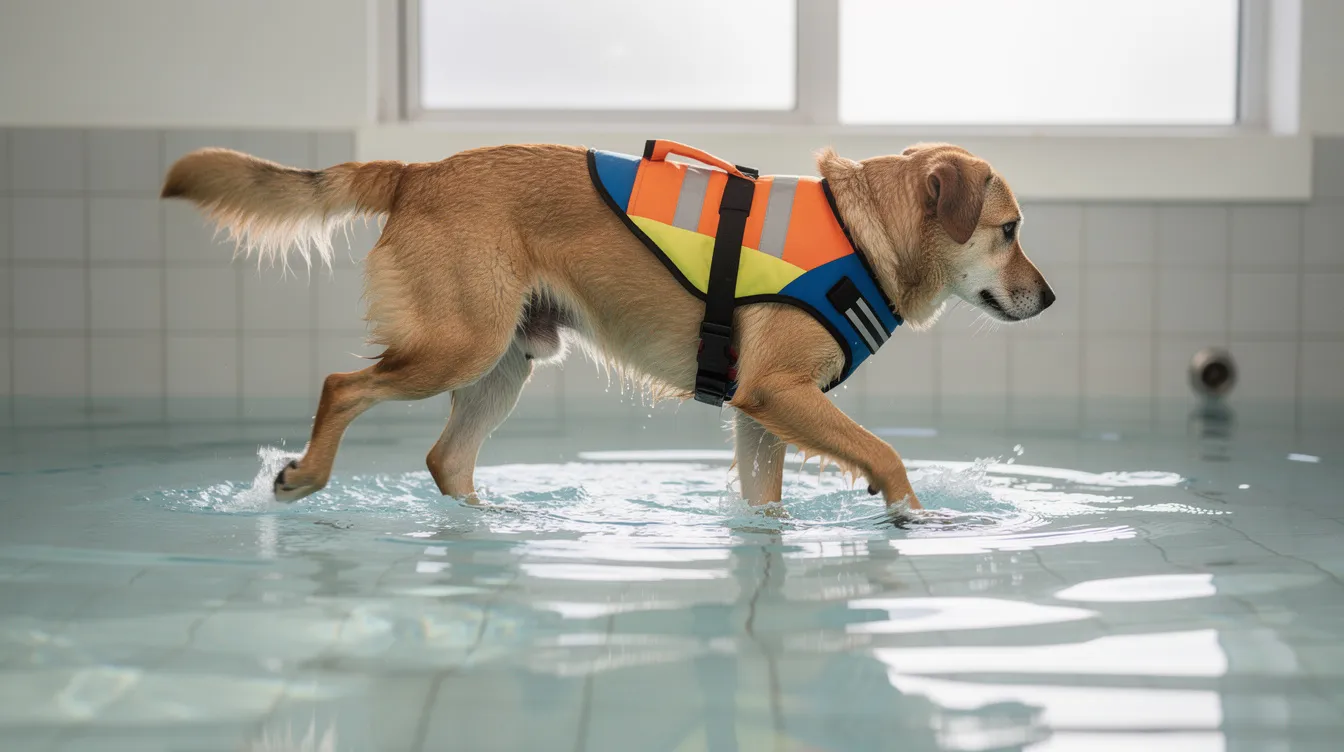
Owners are encouraged to build a plan collaboratively with their vet, physiotherapist, or hydrotherapist, and to view green lipped mussel powder or other joint supplements as a long-term supportive measure rather than a quick fix. The Alder & Hound Complete Guide to Joint Health in Dogs covers condition-specific strategies in greater depth.
Spotlight: how Alder & Hound uses green lipped mussel in ForeverRun
To illustrate how a premium UK joint supplement might incorporate New Zealand green lipped mussel, it is worth looking at how Alder & Hound approaches formulation with ForeverRun™ Advanced Joint and Mobility Support.
ForeverRun uses high-quality New Zealand green lipped mussel as a key active ingredient within a multi-nutrient formula. A medium-sized dog receives approximately 1,930 mg of green lipped mussel per typical daily serving - a substantial amount designed to deliver meaningful levels of omega-3 fatty acids, glycosaminoglycans, and the other beneficial compounds discussed throughout this guide.
Green lipped mussel sits alongside several complementary ingredients in ForeverRun:
- Glucosamine and MSM - supporting cartilage structure and comfort.
- Boswellia serrata extract - a botanical with evidence for helping to manage inflammatory responses.
- Hyaluronic acid - supporting synovial fluid and joint cushioning.
- Reishi mushroom - included for its immune-supportive properties.
- Vitamin C - contributing to collagen formation and antioxidant defence.
- ForeverRun is intended as a daily nutritional supplement designed for long-term use alongside a balanced diet and active lifestyle. It is not a veterinary medicine. Owners should consult their vet before introducing any new joint supplements if their dog has existing medical conditions or is taking prescribed medications. Full formulation details are available on the ForeverRun product page.
Feeding tips: introducing green lipped mussel to your dog's routine
Even the best joint supplements are only effective if dogs actually eat them consistently. Making green lipped mussel a seamless part of your dog's daily routine takes a little planning but is straightforward for most dogs.
Step-by-step introduction:
- Start gradually over five to seven days, beginning with roughly 25–50% of the suggested dose and increasing slowly. This helps your dog's digestive system adjust and reduces the risk of loose stools.
- Mix thoroughly into the moist part of the meal - wet food, a small spoonful of plain yoghurt, or a dog-safe topper. This helps mask any marine smell that some dogs initially find unfamiliar.
- For tablets or capsules, try hiding them in a small piece of cheese, banana, or a treat paste. Some owners find wrapping tablets in a thin slice of cooked chicken works well.
- Feed at the same time each day, ideally with a main meal, to support digestion and build a consistent routine.

For fussy eaters:
- Warming the food slightly can release aromas that encourage eating.
- If your dog consistently refuses powder, discuss alternative formulations (such as chews or capsules) with your vet or a pet nutrition adviser.
If you forget a serving, simply resume the normal schedule the following day rather than doubling the dose. Consistency over weeks and months matters far more than any single missed day.
Frequently asked questions about green lipped mussel for dogs
This section addresses questions UK owners commonly search for, with concise answers.
Is green lipped mussel better than glucosamine for dogs? They work differently and are often most beneficial when used together. Green lipped mussel provides omega-3 fatty acids, GAGs, and minerals, offering anti-inflammatory and structural support in one ingredient. Glucosamine primarily provides building blocks for cartilage. Many comprehensive joint supplements include both.
Can I give green lipped mussel to my dog every day? Yes. Green lipped mussel is typically designed for long-term daily use at the recommended dose for your dog's size. Consistency is important - daily doses of green lipped mussel support joint health over time rather than providing immediate relief.
Is green lipped mussel good for arthritis in dogs? Research suggests it may help support comfort and mobility in arthritic dogs as part of a wider management plan. It is not a cure for arthritis, but studies show it can contribute to less pain and improved movement in many dogs.
Can puppies have green lipped mussel? Only under veterinary guidance. The priority for growing puppies should be an appropriate growth diet and careful weight control. If a vet identifies early joint concerns, they may recommend green lipped mussel as part of a tailored plan.
Can green lipped mussel be used alongside my dog's pain medication? Often yes, but this must be checked with the prescribing vet. While significant interactions are not widely reported, combining supplements with other medications requires professional oversight to ensure safety.
Are there any long-term side effects? Green-lipped mussel is generally well tolerated over extended periods. No significant long-term adverse effects have been identified in published trials lasting up to twelve weeks, though very long-term data (beyond a year) remain limited. Monitoring your dog's health with regular vet check-ups is always advisable.
Do humans use green lipped mussel too? Yes. Green lipped mussel is also studied and used in humans for joint discomfort, with systematic reviews reporting moderate effects on pain. The cross-species consistency of findings adds to confidence in its general safety and potential, though dogs and humans are not identical in their responses.
How much green lipped mussel should I give my dog? Follow the dosing guidance on the specific product you choose, which should be calibrated to your dog's size. If in doubt, your vet can advise on an appropriate daily amount based on your dog's weight, condition, and overall diet.
Cost, value and realistic expectations
Owners often weigh up the cost of joint supplements against potential benefits, especially when green lipped mussel is intended for long-term daily use.
Prices vary considerably between pure green lipped mussel powder and broader joint support formulas. Factors that may justify a higher price include the quality of the raw material (genuine New Zealand Perna canaliculus), sustainable farming certification, careful processing to preserve bioactive compounds, independent batch testing, and transparent dosing information. Spending a little more on a well-formulated product often represents better value than choosing the cheapest option with unclear ingredients or undisclosed amounts.
When assessing value, consider:
- Transparency - can you see exactly how much green lipped mussel is in each serving?
- Evidence-informed formulation - does the product align with what research suggests is beneficial?
- Your dog's individual response - track changes over two to three months before judging effectiveness.
- Setting realistic expectations:
- Improvements may be modest but meaningful - for example, easier rising, more comfortable walks, or willingness to play again.
- Some dogs will show clearer responses than others; there is no guarantee of dramatic change.
- Supplements cannot reverse advanced joint damage but may help maintain remaining function and comfort, supporting your dog to keep enjoying daily life.
Alder & Hound focuses on premium, research-led joint support rather than budget alternatives. This article aims to help all pet owners make well-informed decisions about keeping their dog's joints healthy, whether or not they choose Alder & Hound products.
Summary and practical next steps for supporting your dog's joints
Green lipped mussel is a nutrient-packed marine ingredient that provides omega-3 fatty acids, glycosaminoglycans, glucosamine, minerals, vitamins, and amino acids relevant to joint health in dogs. Research suggests it may help reduce joint pain and support mobility, particularly in dogs with osteoarthritis, though its effects are generally modest and work best within a broader joint care plan.
Your next steps:
- Observe and record your dog's current mobility and comfort - note any stiffness, reluctance on stairs, or changes in activity.
- Discuss joint health and the potential use of green lipped mussel with your vet, especially if your dog is older, showing signs of joint pain, or belongs to a large breed.
- Choose a high-quality, transparently labelled product at a dose appropriate for your dog's size and needs.
- Introduce the supplement gradually and monitor for changes over eight to twelve weeks before drawing conclusions.
- Continue learning through the Alder & Hound Canine Mobility Knowledge Centre and the Complete Guide to Joint Health in Dogs for ingredient guides, condition-specific advice, and practical strategies.
Thoughtful, evidence-informed choices today can help many dogs enjoy more comfortable movement well into later life. Your dog's mobility matters - and so does the quality of the support you choose.