

Hyaluronic Acid for Dogs: Evidence-Informed Guide for UK Owners
Hyaluronic acid is one of the most talked-about ingredients in canine joint health - yet many pet owners are unsure what it actually does, how it works, or whether their dog genuinely needs it. This guide breaks down the science in plain English, examines the current veterinary evidence, and helps you decide whether hyaluronic acid belongs in your dog's joint care routine.
Quick answer: what does hyaluronic acid do for dogs' joints?
Hyaluronic acid (HA) is a naturally occurring molecule found in your dog's synovial fluid - the thick liquid inside joints that lubricates cartilage surfaces and absorbs shock during movement. When given as an oral supplement or administered by a veterinarian as an injectable, HA can help support joint health and comfort, but it does not cure arthritis or reverse cartilage that has already been lost.
Key points at a glance:
- HA is a key component of synovial fluid, providing joint lubrication and shock absorbing properties that help protect cartilage during everyday movement.
- It contributes to joint comfort, mobility, and ease of movement - particularly in dogs experiencing age-related stiffness.
- Dogs produce less hyaluronic acid as they age, which can contribute to reduced mobility and joint stiffness over time.
- Oral supplements offer gradual, systemic support; veterinary injectable hyaluronic acid delivers targeted, higher-concentration doses directly into an affected joint.
- Any suspected joint pain or lameness should be assessed by a veterinarian before starting supplements.
At Alder & Hound, we specialise in evidence-informed canine joint health. Our ForeverRun formula includes hyaluronic acid as part of a broader joint support formula alongside six other active ingredients - because we believe informed decisions lead to better outcomes for dogs.
What is hyaluronic acid in dogs? (basic science in plain English)
Hyaluronic acid - sometimes called hyaluronan or sodium hyaluronate - is a type of glycosaminoglycan, a naturally occurring, gel-like molecule found throughout your dog's body. It is present in synovial fluid, cartilage, skin, eyes, and various connective tissues. Think of it as one of the body's own lubricants and cushioning agents.
What makes HA remarkable is its ability to bind enormous amounts of water. A single HA molecule can hold dozens to hundreds of times its own weight in moisture. This water-binding capacity is what gives joint fluid its thick, slippery consistency - the very quality that allows cartilage surfaces to glide smoothly over one another during movement.
Your dog's body is constantly producing and breaking down HA. Specialised cells lining the joint capsule (called synoviocytes) manufacture it, while enzymes and oxidative stress degrade it. In a healthy, young dog, this cycle stays in balance. With age, inflammation, or joint disease, the balance shifts - and joints may end up with less hyaluronic acid than they need.
Did you know? HA is used in both human and veterinary medicine. Beyond joint injections, it appears in eye drops for dry eyes, skin wound care products, and even dermal fillers. Hyaluronic acid can also help maintain eye health in dogs by ensuring proper hydration of ocular tissues.
Summary for quick reference:
- HA is naturally produced in dogs joints, skin, and eyes
- Its water-binding ability gives joint fluid its cushioning, slippery nature
- The body's HA levels are constantly turning over - affected by age, injury, and inflammation
- Different forms of HA have different molecular weights; higher molecular weight HA is generally considered better for joint lubrication
Where is hyaluronic acid found in a dog's body?
HA is distributed across several key areas of your dog's body, each benefiting from its moisture-retaining and protective properties:
- Synovial fluid - inside joint cavities (hips, stifles, elbows, shoulders, hocks). HA is a major contributor to the viscosity and lubricating quality of this fluid.
- Articular cartilage - the smooth tissue capping the ends of bones within joints. HA forms part of the cartilage matrix and supports cartilage health and resilience.
- Joint capsule and ligaments - the connective tissue surrounding joints contains HA, contributing to flexibility and smooth tissue movement.
- Skin - HA helps maintain skin hydration and elasticity. It hydrates dry or irritated skin in dogs and can help alleviate conditions like eczema and hotspots. Topical hyaluronic acid products can treat skin issues in dogs, and supplementation promotes a shinier, healthier coat.
- Eyes - the vitreous humour and tear film contain HA, helping maintain moisture and comfort.
- Other connective tissues - tendons and fascia benefit from HA's ability to allow smooth gliding between fibres.
Beyond its structural roles, hyaluronic acid accelerates tissue repair in dogs. It promotes cell migration and reduces inflammation during healing, helps close wounds faster, and aids in faster healing of minor wounds. HA-based products can also support surgical recovery in dogs - a point we will return to later.
While HA plays important roles in skin, eyes, and wound healing, this guide focuses primarily on its contribution to joint health, mobility, and comfort. In dogs joints, HA concentration in the synovial fluid directly affects how smoothly cartilage surfaces move, how well shock is absorbed, and how effectively the joint space is maintained.
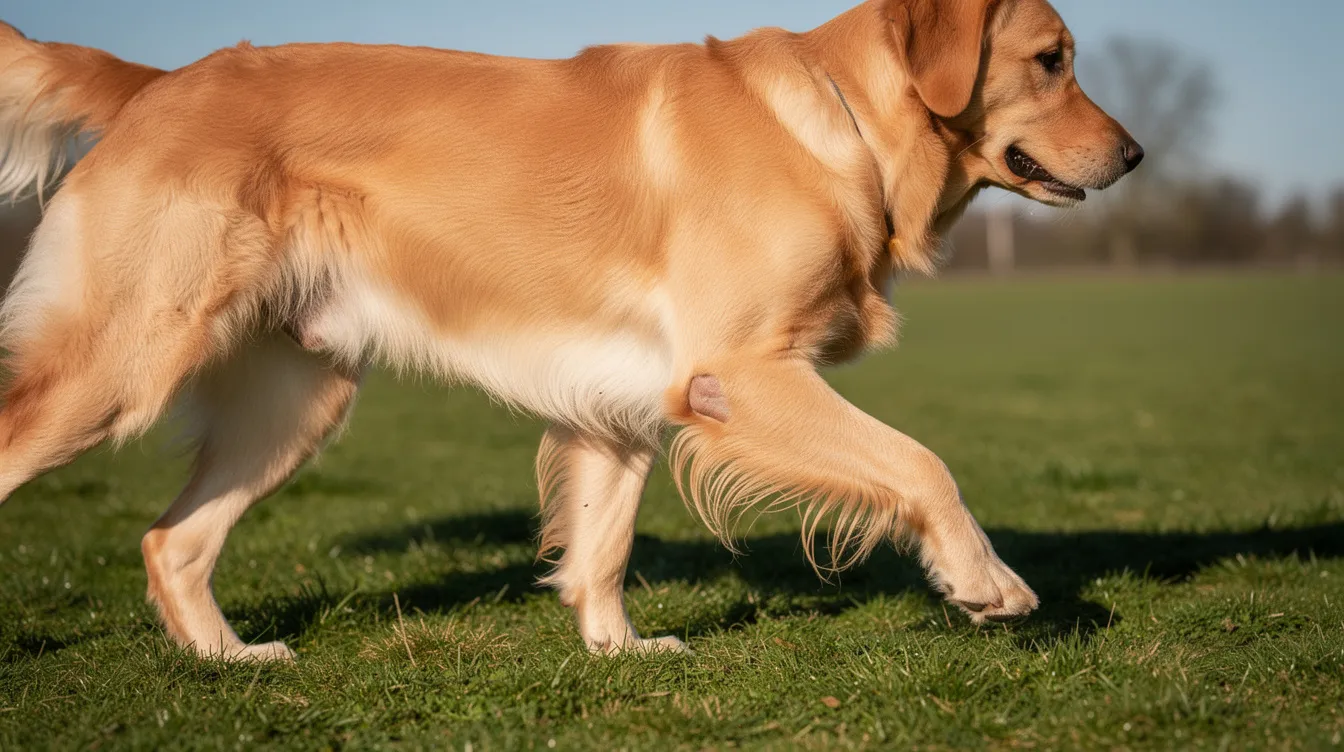
How hyaluronic acid supports joint health, lubrication and shock absorption
To understand why HA matters, it helps to picture how a healthy joint works. A typical canine joint consists of two bone ends, each capped with smooth articular cartilage. Surrounding the joint is a synovial membrane that produces synovial fluid - the liquid filling the joint cavity. Ligaments and a joint capsule hold everything in place.
Synovial fluid is where HA does its most vital work. The viscosity and elasticity of this fluid depend heavily on HA concentration and molecular weight. When your dog walks, runs, or jumps, HA-rich joint fluid acts like liquid cushioning - distributing pressure evenly, reducing friction between cartilage surfaces, and absorbing the mechanical shock of impact.
Specifically, HA contributes to joint function in three key ways:
- Joint lubrication - HA reduces friction between cartilage surfaces during movement, minimising wear and supporting smooth, comfortable motion. Hyaluronic acid lubricates joints and reduces inflammation, playing a vital role in everyday mobility.
- Shock absorption - during high-impact activities like running or jumping, HA helps the joint fluid resist compression and cushion sudden loads, protecting the underlying cartilage and bone.
- Nutrient transport - cartilage has very limited blood supply and relies on diffusion through synovial fluid for its nutrients. HA-rich fluid supports this transport, helping keep cartilage cells nourished.
It is worth noting that HA is part of a bigger picture. Collagen provides tensile strength to cartilage. Proteoglycans contribute resilience. The joint capsule, ligaments, and synovial membrane all play structural and protective roles. HA enhances flexibility and supports the fluid environment, but it is not the sole determinant of joint health. A comprehensive approach to joint care considers all of these elements.

Ageing, wear and tear, and declining hyaluronic acid levels
Dogs produce less hyaluronic acid as they age - and the HA they do produce tends to have a lower molecular weight, making it less effective at lubricating and cushioning joints. The age at which this becomes noticeable varies by breed. In the UK, small breeds are generally considered senior from around 9–10 years of age, medium breeds from roughly 7–9 years, and large or giant breeds from as early as 5–7 years.
As HA levels and quality decline, the synovial fluid becomes thinner, less viscous, and less able to protect cartilage surfaces. This increased friction between joint surfaces can contribute to progressive cartilage wear and joint discomfort. Hyaluronic acid helps restore joint fluid lost in aging dogs, which is one reason supplementation has attracted attention.

Several lifestyle and health factors can speed up HA breakdown beyond normal ageing:
- Excess body weight, which increases mechanical stress on joints
- High-impact or repetitive exercise without adequate rest and warm-up periods
- Previous joint trauma or surgery (for example, cruciate ligament rupture)
- Chronic low-grade inflammation from obesity, dental disease, or other underlying health conditions
- Nutritional gaps in cartilage-supporting nutrients or antioxidants
Owners may notice signs such as joint stiffness after rest, reluctance to climb stairs or jump into the car, slower walking pace, or a generally less enthusiastic response to exercise. These signs are common - but they are also non-specific. The same symptoms can arise from osteoarthritis, cruciate ligament disease, spinal conditions, or other joint issues. A veterinary assessment, including physical examination and potentially imaging, is essential before assuming any particular cause.
Hyaluronic acid and osteoarthritis in dogs
Canine osteoarthritis (OA) is a chronic, progressive disease involving the gradual degradation of articular cartilage, changes to the bone beneath it (subchondral bone), and inflammation of the synovial membrane. It is one of the most common causes of joint pain and reduced mobility in adult dogs and senior dogs alike. Dogs experiencing joint diseases like osteoarthritis may have depleted levels of hyaluronic acid in the affected joint - a finding supported by research showing that synovial fluid HA concentration falls in osteoarthritic joints while serum HA may actually rise.
When HA levels drop in an affected joint, the synovial fluid becomes less viscous and loses some of its protective qualities. Cartilage surfaces experience greater friction, shock absorption diminishes, and the inflammatory cycle can accelerate further cartilage breakdown. This creates a self-reinforcing loop: inflammation degrades HA, lower HA reduces protection, and reduced protection promotes more inflammation.
Current veterinary management of OA in the UK follows a multimodal approach. This typically includes:
- Weight control to reduce mechanical load on joints
- Regular, appropriate low-impact exercise
- Veterinary-prescribed pain relief (commonly NSAIDs)
- Environmental adaptations (ramps, non-slip surfaces, supportive bedding)
- Physiotherapy or hydrotherapy where available
- Joint supplements as part of broader joint support
It is important to understand that HA - whether given orally or by injection - is considered supportive for joint comfort and function. It is not a cure for osteoarthritis and cannot reverse cartilage that has already been lost or rebuild damaged bone structures. HA promotes joint health by helping improve the quality of synovial fluid and supporting the joint environment, but it works best as one component of a wider management plan overseen by your veterinarian.
Key points:
- OA involves cartilage loss, bone changes, and joint inflammation
- HA levels in affected joints tend to decline, reducing lubrication and cushioning
- Veterinary OA management is multimodal - no single intervention is sufficient alone
- HA supports comfort and mobility but does not reverse established disease
Oral hyaluronic acid supplements for dogs: what we know so far
Oral HA supplements for dogs come in several forms - powders, chews, tablets, and liquid formulations that can be added to your dog's food. Hyaluronic acid is available in liquid, powder, and tablet forms, giving pet parents flexibility in how they provide joint support. Oral supplements are typically used for ongoing daily joint care in adult dogs and senior dogs, either proactively or alongside veterinary management of joint conditions.
The current scientific evidence for oral HA in dogs is promising but still emerging. Several clinical studies have demonstrated benefits, though most involve relatively small numbers of dogs and limited follow-up periods. In one notable trial, 55 dogs recovering from cruciate ligament surgery received either oral HA (a high molecular weight rooster comb extract at 27 mg daily for lighter dogs, 54 mg for heavier dogs) or a placebo for 10 weeks. The HA group showed significantly increased synovial fluid HA concentration and decreased levels of an oxidative stress biomarker compared with placebo.
Oral HA needs to survive the digestive system to be effective. After ingestion, HA is partially broken down in the gut, and smaller fragments or oligosaccharides may be absorbed into the bloodstream. These fragments are thought to reach joint tissues where they can support synovial fluid quality, modulate immune responses, and reduce oxidative stress. Some early research also suggests oral HA may interact with the gut-immune axis, though this area remains preliminary.
Oral hyaluronic acid can improve joint mobility in dogs, but pet owners should set realistic expectations:
- Improvements, where they occur, tend to be gradual - often 4 to 8 weeks before visible changes in comfort or mobility
- Responses vary between individual dogs depending on size, severity of joint changes, and overall health
- Oral supplements require daily use for optimal effects and are more likely to help in mild to moderate cases, or as proactive and adjunctive joint care
- Oral HA is not a fast acting solution for severe cases of joint disease
When choosing oral supplements, look for products from reputable companies with transparent labelling, clear ingredient lists, dog-specific dosing instructions, and manufacturer contact details - consistent with the WSAVA Global Nutrition Guidelines on selecting quality pet nutrition products. Be cautious of any product making cure or treatment claims.
Injectable hyaluronic acid: how it differs from oral supplements
Injectable hyaluronic acid refers to intra-articular injections - HA delivered directly into the joint cavity by veterinary surgeons. In the UK, this is a prescription-only procedure (classified as POM-V) typically performed under sedation or general anaesthesia, particularly for deeper joints like the hip or stifle. Injectable hyaluronic acid provides immediate pain relief in joints, offering rapid relief for joint pain in dogs with moderate to severe osteoarthritis or other joint conditions.
Because injectable HA bypasses the digestive system entirely, it delivers a much higher local concentration of high molecular weight HA directly to the affected joint. This preserves the molecule's viscoelastic properties and allows for quick absorption into the joint environment. A study of 16 dogs with hip OA found that those receiving intra-articular HA (5–10 mg) showed more significant and longer-lasting improvements in pain scores and function over 90 days compared with dogs managed conservatively with NSAIDs and oral nutraceuticals.
After injection, HA is cleared from the joint in approximately 4–5 days via lymphatic drainage and metabolised in the liver - but the clinical benefits often persist for weeks to months, and repeat injections may be recommended as part of ongoing management.
How injectable and oral HA compare:
- Injectable HA: targeted to the specific affected joint, procedural (requires vet visit, sedation), prescription-only, typically used in shorter treatment courses, higher local concentration, faster onset
- Oral HA: non-prescription supplement, systemic (absorbed through the gut), used daily over months as part of ongoing joint care, lower concentration reaching joints, slower onset of benefit
The choice between injectable and oral HA - or using both - is a decision that must always be made with your veterinarian after a full orthopaedic assessment and imaging where appropriate. Intra-articular injections carry procedural risks including transient joint flare, swelling, or very rarely, infection.
Hyaluronic acid vs other key joint supplement ingredients
Dog joint supplements rarely contain just one ingredient - and for good reason. Joint health involves multiple biological processes: maintaining synovial fluid quality, supporting cartilage structure, managing inflammatory pathways, and protecting against oxidative damage. Different ingredients address different parts of this picture.
Common evidence-informed joint supplement ingredients used in the UK alongside HA include:
- Green Lipped Mussel - a source of unique omega-3 fatty acids and lipid mediators
- Glucosamine - a building block for cartilage matrix components
- MSM (methylsulfonylmethane) - a sulphur donor with antioxidant properties
- Boswellia serrata - a plant extract that supports normal inflammatory responses
- Omega-3 fatty acids (from fish oil or marine sources) - help support healthy inflammatory pathways
HA mainly supports synovial fluid quality and joint lubrication, while other joint supplements target cartilage metabolism, inflammation, or antioxidant status. A well-formulated joint support formula combines ingredients that work through these different but complementary mechanisms - rather than relying on any single compound as an ideal solution.
The following comparison table summarises how these ingredients differ.
Comparison: hyaluronic acid, Green Lipped Mussel, glucosamine, MSM and Boswellia
Each of these ingredients approaches joint support from a different angle. Understanding their distinct roles helps pet owners see why many veterinary-formulated products combine several of them.
|
Ingredient |
Main role in joint support |
Typical use in dogs |
Evidence strength |
|---|---|---|---|
|
Hyaluronic acid |
Supports synovial fluid viscosity, joint lubrication, and shock absorption |
Daily oral supplement or veterinary injection |
Emerging - positive clinical trials, more long-term data needed |
|
Green Lipped Mussel |
Source of omega-3s and lipid mediators; supports healthy inflammatory pathways |
Daily oral supplement (powder, chew, or oil) |
Moderate - several RCTs showing benefits for comfort and mobility |
|
Glucosamine |
Building block for cartilage matrix (proteoglycans, glycosaminoglycans); supports cartilage health |
Daily oral supplement; widely used long-term |
Moderate - extensive use, though evidence is mixed in quality |
|
MSM |
Sulphur donor; may support connective tissue integrity and antioxidant defences |
Daily oral supplement, often combined with glucosamine |
Emerging - supportive evidence, fewer standalone canine studies |
|
Boswellia serrata |
Plant extract containing boswellic acids; supports normal inflammatory responses |
Daily oral supplement |
Emerging to moderate - positive findings in canine and human studies |
Omega-3 fatty acids from fish oil also play a role in many formulations, helping to support healthy inflammatory balance. Vitamin C contributes as an antioxidant and supports collagen synthesis.
The important takeaway is that no single ingredient covers every aspect of joint health. Combinations are chosen to provide joint support across several mechanisms - easing joint discomfort through lubrication, supporting cartilage metabolism, and helping manage the body's inflammatory responses. When comparing other joint supplements, look for products that combine well-researched ingredients rather than relying on one compound alone.

Which dogs might benefit most from hyaluronic acid?
While any dog can benefit from proactive joint care, certain groups may be particularly well-suited to HA-containing joint supplements:
- Senior and geriatric dogs - older pets showing signs of age-related stiffness, sore joints, or reduced enthusiasm for walks. As dogs age and produce less HA, supplementation may help maintain joint fluid quality and comfort.
- Large and giant breeds - breeds like Labradors, German Shepherds, Rottweilers, and Great Danes carry more weight through their joints and are statistically more prone to joint issues such as hip and elbow dysplasia. A study of 105 Labrador puppies found that those given a multi-ingredient supplement including 20 mg HA per tablet had a significantly lower incidence of elbow dysplasia at 12 months (18.5%) compared with unsupplemented controls (33.3%).
- Active or working dogs - agility dogs, gundogs, and other dogs with higher repetitive joint loads may benefit from proactive support to help maintain joint fluid quality under increased demand. HA can support a more active lifestyle by helping cushion joints during high-impact activity.
- Dogs recovering from orthopaedic surgery - under veterinary guidance, HA supplementation may support post-operative recovery. HA-based products can support surgical recovery in dogs by helping restore synovial fluid properties during rehabilitation.
- Dogs with diagnosed osteoarthritis - as part of a broader, vet-directed management plan that includes weight control, exercise modification, and appropriate pain relief.
HA can be used both to support future joint health proactively in at-risk adult dogs and as supportive care for dogs with existing mobility issues, always alongside weight management and appropriate exercise.
Vet Tip: If your dog is a large breed, very active, or approaching their senior years, consider asking your vet about joint health during their next annual check-up. Early conversations about mobility can help you plan ahead - before stiff joints become a noticeable problem.
Choosing an oral hyaluronic acid supplement for your dog
With so many products on the market, selecting the right supplement can feel overwhelming. Here are practical criteria to help you choose wisely:
- Clear, dog-specific dosing instructions - the product should specify doses by body weight, not offer a one-size-fits-all approach. Look for products that ensure highest quality liquid, powder, or chew formulations with precise guidance.
- Transparent ingredient list - every active ingredient should be listed with its amount per serving. The manufacturer's contact details should be easy to find. This aligns with WSAVA-style guidance on selecting quality pet nutrition products.
- Evidence-informed formulation - HA works best alongside complementary ingredients. A product combining HA with ingredients like Green Lipped Mussel, glucosamine, MSM, or Boswellia is generally preferable to a single-ingredient supplement. No product should claim to be a miracle cure.
- Form that suits your dog - consider whether your furry companion prefers chews, powder mixed into wet food, or a liquid oral joint supplement. Liquid hyaluronic acid supplements are rapidly absorbed by dogs, which may suit pet parents looking for an oral formulation with quick absorption. Dogs with dietary sensitivities may need grain-free or zero protein options.
- Molecular weight disclosure - where available, products using high molecular weight HA (typically 800–1,000 kDa) may offer better support for synovial fluid properties, though not all manufacturers disclose this.
- Reputable manufacturer - choose companies with veterinary involvement in formulation, clear quality control processes, and honest marketing.
Always discuss new supplements with your vet, especially if your dog is on other medications or has existing health conditions. For more in-depth guidance on canine joint care, explore the Alder & Hound Canine Mobility Knowledge Centre and our comprehensive Joint Health for Dogs guide.
ForeverRun as an example of a comprehensive HA joint supplement
Alder & Hound's ForeverRun illustrates how hyaluronic acid can be incorporated within a broader, multi-ingredient joint support formula rather than used as a standalone product. It is designed to support several aspects of joint health simultaneously.
ForeverRun's active ingredients include:
- Hyaluronic acid - to support synovial fluid quality and joint lubrication
- Green Lipped Mussel - for omega-3-rich support of healthy inflammatory pathways
- MSM - as a sulphur source to support connective tissue and antioxidant defences
- Glucosamine - to support cartilage matrix maintenance
- Boswellia extract - to help support normal inflammatory responses
- Reishi mushroom - for additional antioxidant and immune support
- Vitamin C - to support collagen synthesis and antioxidant status
A medium-sized dog's daily serving provides 100 mg of hyaluronic acid alongside these complementary ingredients. The formulation is designed to support joint health, comfort, and your dog's mobility through multiple, evidence-informed mechanisms rather than relying on any single compound.
As with any supplement, ForeverRun should be used alongside veterinary advice, sensible weight management, and appropriate exercise - not as a replacement for professional care. It is intended to support your pet's health as part of a holistic approach, not to diagnose, treat, or cure any condition.
How and when to give hyaluronic acid joint supplements
Consistent daily use is key to getting the most from oral HA joint supplements. Most products are designed to be given once or twice daily with food, adjusted for your dog's body weight. Always follow the specific label instructions for the product you are using.
As a general reference, the recommended dosage for oral HA is typically around 1–2 mg per kg of body weight daily. For liquid oral joint supplement formulations, common dosing guidelines are:
|
Dog's weight |
Suggested liquid HA dose |
|---|---|
|
1–10 kg |
1 ml twice daily |
|
11–20 kg |
2 ml twice daily |
|
21–30 kg |
3 ml twice daily |
|
31–40 kg |
4 ml twice daily |
These are general guidelines - always defer to your specific product's instructions and your veterinarian's advice. If you see no change after 6 weeks of consistent use, some guidance suggests you may increase dosage by 25%, but discuss this with your vet first rather than adjusting independently.
Visible changes in your dog's mobility or stiffness typically take 4 to 8 weeks of consistent use. This is not a fast acting supplement in the way that prescription pain relief might be - it works gradually to support the joint environment.
Practical tips:
- Pair dosing with regular mealtimes to build a consistent routine - many owners find adding supplements to their dog's food at the same time each day helps ensure nothing is missed
- For fussy eaters, palatable chews or powders that blend into wet food tend to work better than tablets
- Keep a simple mobility diary - note walking distance, ease on stairs, willingness to play, and stiffness after rest. This helps you and your vet objectively track any improvements
- If your dog's mobility worsens or new signs of joint pain appear, contact your vet promptly rather than increasing the supplement dose on your own
Safety, side effects, and when to avoid hyaluronic acid
Hyaluronic acid is generally safe for most dogs and has a good safety profile when used at recommended doses in reputable formulations. It is generally well tolerated by most dogs, and serious adverse effects are uncommon. However, as with any supplement, individual responses can vary.
Potential side effects to watch for:
- Mild side effects include gastrointestinal upset (soft stools, occasional vomiting, changes in appetite) or skin irritation - these are usually transient and resolve when the product is discontinued
- Severe allergic reactions are rare but possible - signs might include facial swelling, hives, difficulty breathing, or sudden lethargy. If any of these occur, stop the supplement immediately and seek emergency veterinary care
- Overdosing can stress a dog's kidneys or cause metabolic imbalances - this underscores the importance of following dosing guidelines and not assuming that more is better
When to consult your vet before starting HA:
- Dogs currently on long-term medications such as NSAIDs, steroids, or other medications - there is limited data on interactions, and your vet can advise on safe combinations
- Dogs with known liver, kidney, or gastrointestinal disease, or other underlying health conditions that might affect how supplements are processed
- Pregnant or lactating bitches, and very young puppies - safety data in these populations is limited
- Consult a vet if your dog has existing health conditions before introducing any new supplement
Supplements should never replace prescribed pain relief or disease-modifying treatments without your vet's involvement. If your dog has been diagnosed with osteoarthritis or another joint condition, HA supplements are supportive - they are not an alternative to professional veterinary care. Your vet can help you determine whether HA is appropriate and how it fits alongside your dog's existing management plan.
Integrating hyaluronic acid into a complete joint care plan
HA supplements work best when they are part of a broader strategy for keeping your dog's joints healthy. No single supplement - however well-formulated - can substitute for the fundamentals of good joint care.
Here is how HA fits into the bigger picture:
- Maintain a healthy body condition score - excess weight is one of the most significant modifiable risk factors for joint disease. Even modest weight loss in overweight dogs can meaningfully improve comfort and quality of life. Your vet can help assess your dog's ideal weight.
- Regular, low-impact exercise - consistent, gentle activity (steady walks, controlled swimming, lead walks on soft ground) helps maintain muscle tone and joint flexibility without overloading joints. Adapt exercise to your dog's life stage, condition, and energy level.
- Home adaptations - ramps for getting into the car, non-slip rugs on hard floors, raised food and water bowls, and supportive orthopaedic beds can all reduce unnecessary strain on stiff joints.
- Vet-prescribed pain relief and therapies - for dogs with diagnosed osteoarthritis or other conditions, veterinary-prescribed treatments (NSAIDs, other analgesics, physiotherapy, hydrotherapy) remain essential. HA supplements complement these but do not replace them.
- One comprehensive supplement rather than many - rather than layering multiple overlapping products, work with your vet to choose one well-formulated joint support formula that covers several mechanisms. This reduces the risk of ingredient overlap, adverse effects, and unnecessary cost.
HA should be viewed as a supportive tool to help maintain comfort, joint mobility, and your dog's overall health - contributing to the right support for ageing or at-risk joints. It is not a stand-alone solution, and the best outcomes come from a comprehensive approach that combines nutrition, movement, environment, and veterinary care.

Owner checklist: is hyaluronic acid right for my dog?
Before purchasing an HA-containing joint supplement, run through this quick checklist:
- Has my dog shown any signs of joint stiffness, slowing down, sore joints, or reluctance to exercise?
- Has my vet examined my dog and discussed joint health, joint mobility, or osteoarthritis?
- Am I already using other joint supplements, and do I know what ingredients they contain?
- Is my dog at a healthy weight, and am I confident about their diet and exercise routine?
- Can I commit to at least 6–8 weeks of consistent daily use before judging whether the supplement is helping?
- Am I prepared to keep a brief mobility diary to track any changes objectively?
- Have I checked that the supplement I am considering has clear dosing instructions for my dog's weight?
If you answered "no" to key questions - particularly about veterinary assessment - consider booking a check-up before starting any supplement. A vet can rule out conditions that require specific treatment, assess your dog's overall health, and advise whether HA supplementation makes sense for your individual pet.
Frequently asked questions about hyaluronic acid for dogs
Can I give my dog human hyaluronic acid supplements?
It is not recommended. Human HA supplements may contain different molecular weights, concentrations, or additional ingredients (such as flavourings, sweeteners, or other compounds) that are not tested for safety in dogs. Always choose a product specifically formulated for dogs, with dog-appropriate dosing. If you are considering giving your dog a human product due to availability, speak with your vet first.
How long does it take for hyaluronic acid to help my dog's joints?
Most pet owners who notice improvements report gradual changes over 4 to 8 weeks of consistent daily use. Some dogs may respond sooner, while others - particularly those with more advanced joint changes - may take longer or show more subtle improvements. HA is not a fast acting remedy in the same way as veterinary-prescribed pain relief. Patience and consistency are important.
Can hyaluronic acid be used alongside other joint supplements?
Yes - HA is often included in multi-ingredient formulations alongside glucosamine, Green Lipped Mussel, MSM, Boswellia, and vitamin C. These ingredients work through different mechanisms and can be complementary. However, avoid layering multiple separate supplements without understanding what is in each, as this can lead to ingredient overlap or excessive doses. Discuss your dog's full supplement regimen with your vet.
Is hyaluronic acid enough on its own for dogs with arthritis?
No. While oral hyaluronic acid can support joint comfort and mobility, it is not sufficient as the sole management strategy for dogs with diagnosed osteoarthritis. OA requires a multimodal approach including weight management, appropriate exercise, environmental modifications, and often veterinary-prescribed pain relief. HA can provide joint support as part of this broader plan, but it does not replace professional treatment. In severe cases, your vet may recommend injectable hyaluronic acid or other interventions alongside oral supplements.
At what age should dogs start joint supplements with hyaluronic acid?
There is no single answer, as it depends on breed, size, activity level, and individual risk factors. Large and giant breed dogs may benefit from proactive joint support from early adulthood (around 2–3 years), while smaller breeds may not need supplementation until later. Dogs with a family history of joint problems, those in high-impact activities, or breeds known for hip or elbow dysplasia may benefit from earlier use. Your vet can help you decide the best time to start supporting your dog's future joint health based on their specific circumstances.
Key takeaways and next steps for supporting your dog's joints
Hyaluronic acid is a naturally occurring molecule that plays a vital role in keeping your dog's joints lubricated, cushioned, and comfortable. Understanding how it works - and its limitations - helps you make better decisions about your dog's joint care.
What to remember:
- HA is a key component of synovial fluid that supports joint lubrication, shock absorption, and cartilage protection
- It is supportive, not curative - HA can help maintain joint health and comfort but cannot reverse established cartilage loss or cure osteoarthritis
- Oral HA supplements offer gradual, systemic support; injectable hyaluronic acid provides targeted, higher-concentration doses and must be administered by veterinary surgeons
- Dogs most likely to benefit include senior dogs, large breeds, active or working dogs, and those with diagnosed joint conditions
- Any joint supplement works best as part of a comprehensive approach - alongside weight control, appropriate exercise, environmental adaptations, and veterinary guidance
Your next steps:
- Spend a week observing your dog's movement - note any joint stiffness after rest, reluctance to jump, or changes in walking pace
- If you have concerns about your dog's mobility, book a veterinary check-up to discuss joint health and rule out conditions that need specific treatment
- Explore the Alder & Hound Canine Mobility Knowledge Centre and our Joint Health for Dogs guide for further evidence-informed reading on supporting your furry companion's comfort and quality of life
Helping your dog stay active, comfortable, and enjoying a more active lifestyle is a long-term commitment. With the right support, informed choices, and veterinary partnership, you can make a genuine difference to how your dog moves and feels - today and in the years ahead.