

Glucosamine for Dogs: Evidence‑Informed Guide for UK Owners
Joint stiffness, slower walks and reluctance to jump into the car - these are the changes that prompt thousands of UK dog owners to ask about glucosamine every year. It is one of the most widely discussed ingredients in canine joint supplements, yet the science behind it can feel confusing.
This article cuts through the noise. We explain what glucosamine is, how it is thought to support joint cartilage and synovial fluid, what the published research actually shows, and how to make informed decisions for your dog. Whether your dog is a young working Labrador or a senior Staffie showing the first signs of stiffness, the information here will help you have a more confident conversation with your vet.
Fast answers: should my dog be given glucosamine?
Glucosamine is a natural compound produced in your dog's body that acts as a foundational building block for cartilage - the smooth, shock-absorbing tissue covering the ends of bones inside joints. When supplied as a supplement, it aims to nutritionally support cartilage maintenance and joint fluid quality.
Glucosamine may be worth discussing with your vet if your dog:
- Has veterinary-diagnosed osteoarthritis, hip dysplasia or elbow dysplasia
- Is a senior dog (roughly seven years or older; earlier for giant breeds)
- Belongs to a large or giant breed predisposed to joint problems
- Is very active, a working dog or recovering from orthopaedic surgery
- Is carrying excess bodyweight, placing additional load on joints
It is probably not needed if your dog:
- Is young, healthy and showing no signs of joint discomfort
- Has not been assessed by a vet for joint issues
Veterinarians widely recommend glucosamine supplements for joint health, and glucosamine is generally considered safe for long-term use. However, evidence on its effectiveness is mixed, and it is not a cure for arthritis. It works best as part of a broader plan: weight management, appropriate exercise, veterinary-prescribed pain relief when needed, and a high-quality joint supplement.
The rest of this article explains how glucosamine works, the differences between glucosamine hydrochloride and glucosamine sulphate, safety, dosing guidance and how Alder & Hound approaches formulation.
What is glucosamine for dogs?
Glucosamine is an amino sugar naturally produced in every dog's body. It serves as a precursor for key structural molecules - glycosaminoglycans (GAGs), proteoglycans and hyaluronic acid - that give cartilage its resilience and help produce the lubricating synovial fluid inside joints.
When we talk about dogs glucosamine in the context of joint supplements, we are referring to a purified form of this compound, designed to nutritionally support joint structures from the inside out. Glucosamine promotes joint health and cartilage maintenance by supplying the raw materials that chondrocytes (the cells living inside cartilage) use to build and maintain the matrix around them.
A quick look inside a joint
Picture two bone ends meeting. Each is capped with a layer of smooth cartilage that absorbs shock and allows the bones to glide against one another. Surrounding the joint is a capsule lined with a synovial membrane, which produces joint fluid - a viscous liquid that lubricates and nourishes the cartilage. Glucosamine-derived molecules sit within both the cartilage matrix and this synovial fluid, helping the joint move freely.
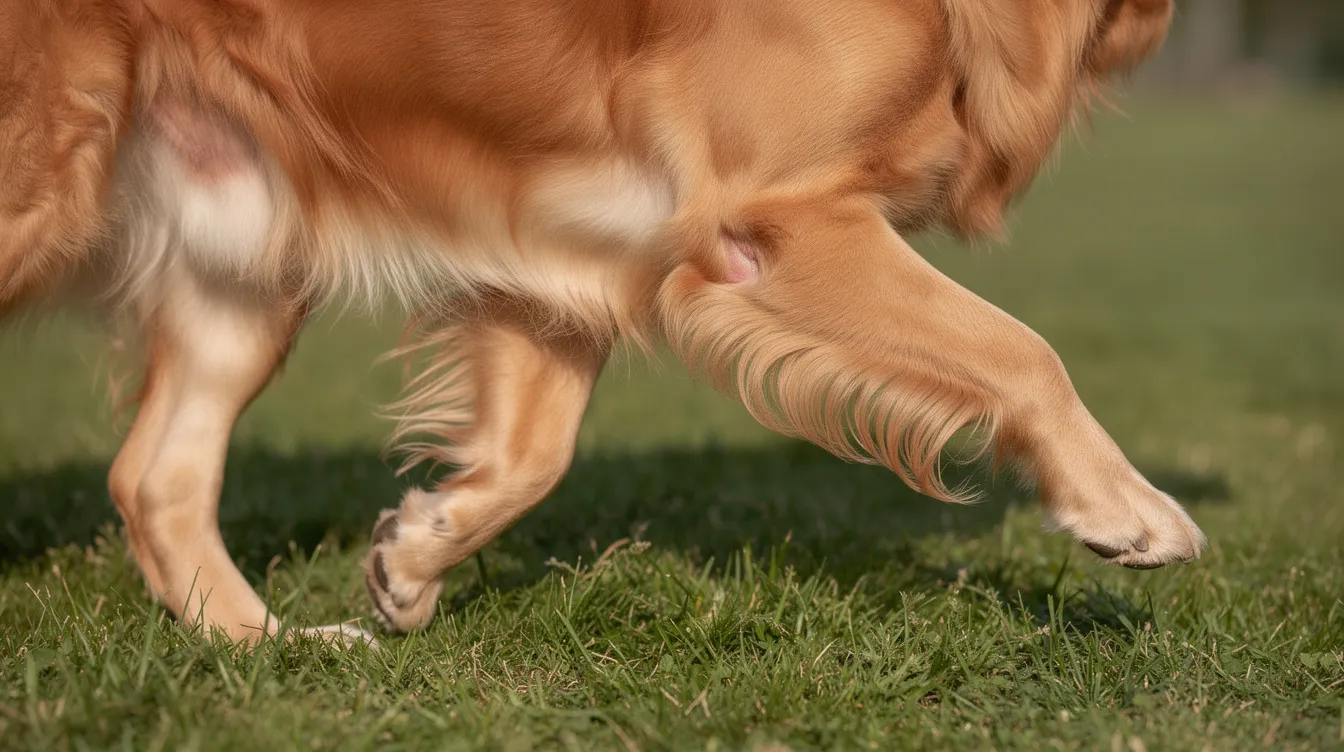
Glucosamine is classed as a nutraceutical or nutritional supplement in the UK, not a licensed veterinary medicine. It does not diagnose, treat, cure or prevent disease. Glucosamine is a natural building block of cartilage, essential for joint cushioning, and supplementing it aims to support - not replace - the body's own repair processes.
Glucosamine is often sourced from shellfish in supplements, typically from the shells of crabs and shrimp. Synthetic or fermentation-derived forms are also available and may be preferable for shellfish-sensitive households.
How does glucosamine work in a dog's joints?
The proposed mechanism is straightforward in principle. Glucosamine acts as a foundational building block for cartilage: once absorbed, it is thought to be used by chondrocytes to synthesise glycosaminoglycans and proteoglycans. These large molecules attract and retain water within the cartilage matrix, helping it resist compression during movement - whether that is a morning trot around the park or a high-speed retrieve across a field.
Glycosaminoglycans are vital components of cartilage. They form a hydrated gel that gives cartilage its elasticity and allows it to act as a biological shock absorber. Glucosamine may also contribute to the production of hyaluronic acid, a key component of synovial fluid that keeps joints lubricated and smooth.
Renewal vs breakdown
Healthy cartilage exists in a state of constant turnover: old matrix is broken down and new matrix is built. In a young, healthy joint, these processes are balanced. In joints affected by wear, ageing or disease, breakdown begins to outpace renewal. Glucosamine supplements may help reduce joint inflammation and are thought to support the renewal side of this cycle - potentially encouraging the growth of cartilage cells and slowing the progression of damage.
However, the evidence points to a modest, supportive role rather than dramatic cartilage regrowth. Benefits, when present, are usually gradual - most studies suggest allowing several weeks of consistent supplementation before expecting visible changes. Glucosamine supplements may help repair damaged cartilage over time, but this process is slow and depends heavily on the severity of existing damage.
Did you know? Oral bioavailability of glucosamine hydrochloride in dogs is roughly 10–12%, meaning only a fraction of each dose reaches the bloodstream. This is one reason why consistent, daily supplementation at an adequate dose matters more than occasional large doses.

Forms of glucosamine: hydrochloride vs sulphate
Two forms dominate the market for both human use and canine joint supplements: glucosamine hydrochloride (HCl) and glucosamine sulphate.
Both deliver the same core molecule - glucosamine - but they are paired with different counter-ions, which affects their stability, the percentage of active glucosamine per gram and their behaviour during storage.
Glucosamine hydrochloride is typically purer in terms of glucosamine content by weight, often around 90–99% glucosamine base. It is highly stable, less prone to absorbing moisture and widely used in dog joint supplements.
Glucosamine sulphate includes a sulphate group and is usually stabilised with sodium chloride or potassium chloride salts. This means the proportion of actual glucosamine per gram is lower - often around 70–80% - because the remaining weight is made up of stabiliser salts and water of crystallisation. Some landmark human osteoarthritis trials used a specific prescription-grade "crystalline glucosamine sulphate," which is a strictly controlled pharmaceutical product rather than a typical over-the-counter supplement.
Glucosamine sulfate and glucosamine hydrochloride are both effective forms for joint health. Current evidence does not conclusively prove one is universally superior for all dogs. Formulation quality, actual dose of glucosamine base delivered per kg of bodyweight and the overall recipe of the supplement are likely more important than the salt form alone.
Glucosamine HCl vs glucosamine sulphate at a glance
|
Feature |
Glucosamine HCl |
Glucosamine Sulphate |
|---|---|---|
|
Glucosamine content per gram |
Higher (~90–99%) |
Lower (~70–80%) |
|
Stabiliser salts |
None required |
Usually NaCl or KCl |
|
Sulphate contribution |
None |
Yes |
|
Storage stability |
Very stable, low moisture uptake |
Can be hygroscopic |
|
Common use in dog supplements |
Very widely used |
Used, but less common in UK pet products |
|
Key human trial form |
Less studied in major human RCTs |
Crystalline form used in several human RCTs |
Does glucosamine for dogs work? What the evidence says
The honest answer is that research results are mixed - some studies report meaningful improvements in mobility and comfort, while others find small or no differences compared with placebo or standard treatment.
Most positive trials report modest benefits in dogs with osteoarthritis, typically emerging over periods of 4–12 weeks or longer. A randomised controlled trial by McCarthy et al. (2007) involving 35 dogs with hip or elbow OA found that a glucosamine and chondroitin sulphate combination improved veterinarian-assessed pain, weight-bearing and severity scores by day 70. Improvements were slower than those seen with the NSAID carprofen but were still clinically meaningful over the longer term.
In experimental models, high-dose glucosamine sulphate (200 mg/kg/day for eight weeks) significantly reduced histological joint damage compared with placebo in dogs with surgically induced OA. Studies also show glucosamine can delay cartilage breakdown in controlled laboratory settings. A 2005 review found glucosamine had modest benefits for osteoarthritis, broadly consistent with later findings.
Glucosamine is often combined with chondroitin for better results, and many trials test these ingredients together rather than in isolation - making it difficult to attribute effects to glucosamine alone.
Not all dogs show noticeable improvements with glucosamine supplementation. Study quality varies considerably: differences in sample size, dog breeds, disease severity, glucosamine form, dose, duration and outcome measures all influence results. Because side effects are typically mild and rare, many vets and owners consider a time-limited trial of a high-quality supplement reasonable for dogs with diagnosed joint disease.
Use of glucosamine may improve mobility in some dogs, and glucosamine can reduce joint pain and stiffness, but expectations should be realistic. Improvements, if they occur, are usually gradual - often noticed after six to eight weeks - and supplements sit alongside, not instead of, veterinary care, pain relief, weight management and physiotherapy.

Why do studies on glucosamine sometimes disagree?
This is one of the most important questions owners can ask - and understanding it actually makes the evidence easier to interpret.
Scientific trials on glucosamine reach different conclusions for several interconnected reasons:
- Glucosamine form: some trials use hydrochloride, others use sulphate, and the crystalline prescription-grade sulphate used in major human trials is different from many over-the-counter products.
- Dose per kg bodyweight: studies range from modest commercial-supplement doses to high experimental doses (e.g. 200 mg/kg/day), which are far above what most products provide.
- Duration: trials lasting only four to six weeks may miss benefits that emerge at eight to twelve weeks or beyond.
- Combination ingredients: some studies test glucosamine alone; others add chondroitin, MSM, omega-3 fatty acids or other ingredients, making it hard to isolate glucosamine's specific contribution.
- Disease severity: dogs with mild, early OA tend to show more measurable benefit than dogs with severe, advanced joint disease.
- Outcome measures: owner questionnaires, vet clinical assessments and objective force-plate gait analysis can yield quite different impressions of the same supplement's effectiveness.
Product quality also plays a role. Some over-the-counter supplements have been found to contain less active ingredient than their labels claim, or to use forms with variable purity. This means two trials using "glucosamine" may not actually be testing equivalent products.
At Alder & Hound, we follow the kind of evidence-first, quality-focused approach encouraged by veterinary nutrition bodies such as WSAVA when developing guidance and formulations - being transparent about what the evidence does and does not show.
Which dogs might benefit most from glucosamine?
Not every dog needs a joint supplement. But certain groups are more likely to benefit from targeted joint support that includes glucosamine.
Senior dogs - generally over seven years of age, though giant breeds such as Great Danes and Newfoundlands may begin showing joint changes as early as five - are prime candidates. Veterinarians frequently recommend glucosamine for senior dogs and dogs with osteoarthritis because age-related cartilage wear is cumulative.
Large and giant breeds like Labradors, German Shepherds, Rottweilers and Saint Bernards carry greater mechanical load through their joints, predisposing them to conditions such as hip and elbow dysplasia. Glucosamine supplements can be preventive for high-risk dogs in these categories, potentially supporting cartilage maintenance before problems become advanced.
Very active and working dogs - agility competitors, gundogs, police dogs and sled dogs - place high repetitive stress on their joints, making nutritional joint support a sensible consideration.
Overweight dogs experience increased joint loading with every step. Combining weight management with a quality supplement can be more effective than either strategy alone.
Dogs with veterinary-diagnosed osteoarthritis, previous cruciate ligament injury, or confirmed hip or elbow dysplasia are also strong candidates for discussing glucosamine-based joint supplements with their vet. Starting support early, when stiffness is still mild, may be more helpful than waiting until disease is advanced.

Glucosamine and Canine Osteoarthritis
Osteoarthritis is one of the most common causes of chronic pain and reduced mobility in UK dogs. Estimates suggest that over 20% of dogs older than one year may be affected, rising to approximately 80% of dogs over eight years of age depending on how the condition is screened.
OA is a progressive, degenerative joint disease. Over time, joint cartilage wears down, bone remodels beneath it, and chronic low-grade inflammation develops within the joint. The result is stiffness, reduced activity, joint pain and, in many cases, a significant reduction in quality of life.
Glucosamine fits into this picture as part of nutritional joint support. It aims to help maintain the cartilage matrix and support synovial fluid composition - not to cure the disease or replace anti-inflammatory medications when these are indicated by a vet. It helps alleviate joint pain and enhances overall quality of life when used as part of a thoughtful management plan. Glucosamine is not a cure for arthritis but may support joint health alongside other interventions.
Treatment plans for osteoarthritis are multimodal. The most effective approaches combine:
- Weight management to reduce joint load
- Controlled, low-impact exercise
- Physiotherapy or hydrotherapy
- Pain-relief drugs prescribed by a vet
- Environmental modifications at home (ramps, non-slip flooring, supportive bedding)
- Evidence-informed joint supplements
Owners should work closely with their vet to design an individualised management plan and review supplements periodically - especially if their dog's condition improves or deteriorates over time.
Glucosamine vs other joint-support ingredients
Modern joint supplements rarely contain glucosamine alone. Many combine it with other evidence-informed ingredients because they support joint health through different but complementary mechanisms.
Green Lipped Mussel (Perna canaliculus) is a rich source of omega-3 fatty acids, including a unique fatty acid called ETA. These contribute to joint comfort and support a healthy inflammatory response - a different mechanism from glucosamine's structural role. Read our full Green Lipped Mussel for dogs guide for a deeper look.
Boswellia serrata is a plant resin extract containing boswellic acids, which are thought to support a healthy inflammatory response via different pathways to conventional anti-inflammatory drugs. Our Boswellia for dogs guide explores the evidence.
MSM (methylsulfonylmethane) is an organic sulphur donor that supports connective tissue, including the collagen and tendons surrounding joints. Combining glucosamine with chondroitin and MSM may provide additional benefits, and many formulations include all three.
Hyaluronic acid is a key component of synovial fluid, contributing to its viscosity and lubricating properties. Supplementing with it may support joint lubrication over time. See our Hyaluronic Acid for dogs guide for more detail.
How joint-support ingredients compare
|
Ingredient |
Primary role |
Mechanism |
Common in dog supplements? |
|---|---|---|---|
|
Glucosamine |
Cartilage matrix support |
Supplies building blocks for GAGs and proteoglycans |
Yes - very common |
|
Green Lipped Mussel |
Joint comfort, omega-3 source |
Supports healthy inflammatory response |
Yes - increasingly popular |
|
Boswellia serrata |
Inflammatory response support |
Boswellic acids support balanced inflammation |
Growing in use |
|
MSM |
Connective tissue support |
Sulphur donor for collagen and tendons |
Common in combination products |
|
Hyaluronic Acid |
Joint lubrication |
Supports synovial fluid viscosity |
Emerging in premium products |
|
Chondroitin |
Cartilage hydration and resilience |
Attracts water into cartilage; may inhibit degradative enzymes |
Very common alongside glucosamine |
The combination of structural support (glucosamine, chondroitin), comfort support (Green Lipped Mussel, Boswellia) and lubrication (hyaluronic acid) reflects a comprehensive approach - one that Alder & Hound builds into its formulations.

Glucosamine hydrochloride in Alder & Hound formulations
Alder & Hound uses glucosamine hydrochloride in its joint supplements. This form delivers a high percentage of glucosamine by weight, is highly stable in storage and is one of the most widely used forms in canine products.
In ForeverRun - our flagship daily joint and mobility supplement - glucosamine hydrochloride is included as part of a comprehensive, multi-ingredient formulation. ForeverRun provides 1,500 mg of glucosamine hydrochloride per daily serving for a medium-sized dog, combined with Green Lipped Mussel, MSM, Boswellia, Hyaluronic Acid, Reishi mushroom and Vitamin C (which acts as an antioxidant supporting collagen formation).
This combination approach reflects the research showing that ingredients with complementary mechanisms - structural support, comfort, lubrication and antioxidants - may perform better together than any single ingredient used in isolation.
Every Alder & Hound product is developed with an evidence-informed mindset. We prioritise ingredient quality, appropriate daily serving per kg bodyweight and clear labelling over exaggerated claims. We believe dog owners deserve to understand exactly what they are giving their pet and why.
Explore the ForeverRun product page for full ingredient and feeding details, and visit the Canine Mobility Knowledge Centre for deeper ingredient and condition guides.
How long does glucosamine take to work in dogs?
Most owners should allow at least six to eight weeks of daily supplementation before judging whether glucosamine is having a positive effect. Some dogs may show subtle changes sooner; others may take twelve weeks or longer.
This timeline reflects the biology involved. Glucosamine supports slow processes - cartilage matrix turnover, proteoglycan synthesis, synovial fluid composition. These are not fast-acting mechanisms like a painkiller that blocks pain signals within hours. The effects are cumulative and gradual.
Practical monitoring tips
Keeping a simple mobility diary can help you track changes that might otherwise go unnoticed:
- Week 0: Note baseline behaviours - willingness to walk, ability to climb stairs, jumping into the car, playfulness, stiffness after resting.
- Week 4: Re-assess the same behaviours. Any subtle changes?
- Week 8: Compare with your baseline notes. Has your dog's willingness to exercise or general comfort improved?
- Week 12: Review with your vet.
If no improvement is seen after a reasonable trial on a high-quality supplement (typically eight to twelve weeks), it is worth discussing alternative or additional options with your vet rather than simply continuing indefinitely. Does glucosamine work for every dog? No - but for many, a structured trial at the right dose is a sensible step.
Is glucosamine safe for dogs?
Glucosamine is very safe for dogs and is generally considered safe for long-term use when given at recommended doses. This is supported by published toxicology studies showing very high no-observed-adverse-effect levels (NOAELs) - far above typical supplement doses.
The most commonly reported side effects are mild gastrointestinal effects like loose stools, occasional vomiting or soft stool, particularly when supplementation is first started or when given on an empty stomach. These symptoms are typically mild and usually resolve when the dose is reduced or the supplement is given with the dog's food.
High doses may cause increased thirst and upset stomach in some dogs, though this is uncommon at standard supplementation levels. Glucosamine is safe for dogs with mild to moderate osteoarthritis and is generally well tolerated even over months of daily use.
Points to be aware of
- Shellfish origin: glucosamine is often sourced from shellfish in supplements. The purification process typically removes the proteins responsible for allergic reactions, but owners should avoid glucosamine if their dog has a known shellfish allergy, or choose a synthetic or fermentation-derived form.
- Complex medical conditions: dogs with diabetes, significant kidney or liver disease, or those on multiple medications should only start supplements under veterinary guidance. The salt content of some glucosamine sulphate products (stabilised with sodium or potassium chloride) may also be relevant for dogs with cardiac or renal issues.
- Unsafe additives: owners should only use dog-specific joint supplements or human products explicitly approved by their vet. Some human food products contain ingredients such as xylitol, certain herbs or high-dose vitamins that are unsafe for dogs.
Consult your vet before giving glucosamine to your dog, particularly if your dog has existing health conditions or is already on medications.
How much glucosamine should I give my dog?
Dosing should always follow the product label and veterinary advice. Amounts vary depending on the form of glucosamine, the presence of other ingredients, and the dog's weight and health status.
As a general educational reference, the typical recommended dosage for glucosamine is approximately 20 mg per pound of body weight per day (roughly 40–60 mg per kg). A standard dose often cited in human use literature is 500 mg of glucosamine three times daily, though canine dosing is weight-dependent and calculated differently.
In clinical trials, doses have varied significantly. The McCarthy et al. study used approximately 2,000–4,000 mg per day depending on dog size, while experimental models have tested doses as high as 200 mg/kg/day - far above what most commercial supplements provide.
Loading and maintenance
Some supplement manufacturers recommend an initial "loading" period (typically four to six weeks at a higher daily amount) followed by a lower "maintenance" dose once the benefits of supplementation are established. This approach aims to build up tissue concentrations of glucosamine and related molecules before stepping down.
If your dog has a sensitive stomach, splitting the total daily amount into two smaller servings given with food may improve tolerance.
Never exceed the manufacturer's maximum recommended daily amount without veterinary supervision. More is not always better - consistent daily supplementation at an appropriate dose is the goal.
Can dogs take human glucosamine?
Owners should not give their dog human-labelled glucosamine without specific veterinary approval.
While the glucosamine molecule itself is the same regardless of whether a product is labelled for human use or for pets, human supplements often contain additional ingredients that may be unsafe or untested in dogs. These can include painkillers (such as ibuprofen in some combination tablets), high-dose vitamins, herbal blends or sweeteners like xylitol - which is extremely toxic to dogs.
Dog-specific joint supplements offer several advantages:
- Dosing is calibrated by bodyweight
- Formats are designed to be palatable for dogs (chews, powders to mix with food)
- Formulations account for canine metabolism and safety
If you already have a human glucosamine product at home and are considering giving it to your dog, speak to your vet first. They can check the ingredient list and advise whether it can be used safely, or whether a purpose-made canine supplement would be a better choice. Do not rely on advice found online as a substitute for professional guidance.
Signs your dog may need joint support
Joint discomfort rarely arrives with a dramatic announcement. Instead, it tends to creep in through subtle changes that are easy to dismiss as "just getting older":
- Stiffness after resting, especially first thing in the morning or after a nap
- Reluctance to jump into the car, onto the sofa or up stairs
- Slowing down on walks or lagging behind
- Shifting weight off one leg or "bunny-hopping" with the hind legs
- Licking or chewing at a specific joint area
- Changes in mood, increased irritability or reluctance to be touched
- Difficulty settling or restlessness at night
Some dogs - particularly stoic or driven breeds like Staffordshire Bull Terriers, Border Collies and working Spaniels - may not vocalise their discomfort. They simply become a little quieter, a little less enthusiastic or a little slower.
If you notice any of these symptoms, seek veterinary assessment rather than simply starting supplements and hoping for the best. An accurate diagnosis - which may involve X-rays and orthopaedic examination - ensures the most effective joint-care plan. Conditions such as osteoarthritis, dysplasia or cruciate ligament injuries each require specific management, and a supplement alone is unlikely to address the problem without broader veterinary input.

Building a complete joint-care plan (beyond glucosamine)
Glucosamine is just one piece of effective joint care. The dogs that maintain the best mobility into old age are typically supported by a combination of strategies working together over years, not weeks.
The key pillars
- Healthy bodyweight: excess weight is one of the most significant modifiable risk factors for joint disease. Even a modest reduction in body condition can have a measurable positive effect on comfort and mobility.
- Regular low-impact exercise: consistent lead walks, swimming and controlled play help maintain muscle mass, joint flexibility and cardiovascular fitness without overloading damaged cartilage.
- Comfortable home environment: non-slip flooring, ramps to the car or sofa, a supportive orthopaedic bed and raised food bowls can reduce daily strain on sore joints.
- Prescribed pain relief: when your vet determines that pain relief is needed, medications such as NSAIDs or other analgesics play a crucial role in maintaining quality of life. Supplements do not replace these when they are indicated.
- Evidence-informed joint supplements: a thoughtfully formulated product that includes glucosamine alongside complementary ingredients such as Green Lipped Mussel, Boswellia, MSM and hyaluronic acid can support the body's own maintenance processes.
- Physiotherapy and hydrotherapy: professional rehabilitation can strengthen supporting muscles, improve range of motion and help dogs recovering from surgery or injury.
These pillars work together. A supplement alone, without weight management or veterinary oversight, is unlikely to deliver noticeable results. Equally, even the best treatment plan benefits from nutritional support.
For a deeper, step-by-step look at each element, explore the Joint Health for Dogs cornerstone guide in the Alder & Hound Knowledge Centre.
How to choose a high-quality glucosamine supplement for your dog
Not all joint supplements are created equal. Here is a practical checklist to help you evaluate any product you are considering:
What to look for on the label
- Named glucosamine form: does the label specify glucosamine hydrochloride or glucosamine sulphate, or just say "glucosamine"? Transparency matters.
- Meaningful daily amounts: check that the product provides an adequate dose of glucosamine per kg bodyweight - not just a token amount in a long list of ingredients. Some products contain many ingredients at tiny, possibly ineffective doses.
- Clear feeding guidelines by weight: a quality supplement will specify how much to give based on your dog's weight, not a one-size-fits-all approach.
- Full ingredient list: you should be able to see every ingredient, including any fillers, flavourings or preservatives.
- Company contact details and batch information: reputable brands make it easy to contact them and provide lot or batch numbers for traceability.
- Educational content: does the brand provide evidence-based information to help you understand what you are giving your dog and why? Or does it rely on vague promises and emotive language?
Red flags
- Products making claims to treat arthritis, cure joint disease or guarantee results - these are not legally permitted for unlicensed supplements under UK Veterinary Medicines Regulations.
- Extremely cheap products with suspiciously high ingredient claims - research has shown that some over-the-counter supplements contain significantly less active ingredient than stated on the label.
- Any product containing xylitol or other ingredients known to be toxic to dogs.
Alder & Hound is built as a knowledge-first, quality-led brand. We encourage owners to buy with confidence by providing ingredient-specific guides, clear labelling and an open, evidence-informed approach. Take any supplement you are considering into your next vet appointment to discuss its suitability for your individual dog.
Frequently asked questions about glucosamine for dogs
At what age should I start glucosamine for my dog?
There is no single "right" age. For large and giant breeds predisposed to developing arthritis or dysplasia, some owners and vets consider starting a joint supplement from around two to three years of age as a proactive measure. For smaller breeds without risk factors, supplementation may not be relevant until signs of stiffness appear later in life. Your vet can advise based on your dog's breed, weight and individual risk profile.
Can I use glucosamine to prevent arthritis?
Glucosamine is not licensed to prevent or treat arthritis. However, glucosamine supplements can be preventive for high-risk dogs in the sense that they may help maintain cartilage matrix integrity and support joint health over time. Think of it as nutritional support rather than a preventative medicine.
Can glucosamine be used alongside prescription painkillers?
In most cases, yes. Glucosamine is a nutritional supplement, not a drug, and it is generally compatible with common veterinary pain-relief medications. However, always inform your vet about any supplements your dog is taking so they can consider the full picture - especially if your dog is on multiple medications.
Is glucosamine suitable for dogs after cruciate ligament surgery?
Many vets recommend a joint supplement as part of post-operative recovery and long-term management following cruciate ligament surgery, because the affected joint is at increased risk of secondary osteoarthritis. However, supplementation should complement - not replace - prescribed rehabilitation, physiotherapy and veterinary follow-up.
What happens if I miss a dose?
Because glucosamine supports slow biological processes rather than providing acute pain relief, missing an occasional dose is unlikely to cause a noticeable problem. Simply resume the normal daily amount the next day. Consistency over weeks and months matters more than any single dose.
Is a tablet or powder better?
Neither format is inherently superior. The key is whether the product delivers an effective dose of quality ingredients in a form your dog will reliably consume. Some dogs prefer a powder mixed into their dog's food; others take a chew or tablet willingly. Choose whichever format suits your dog's routine and preference.
Where can I buy a quality glucosamine supplement for my dog?
Look for products available online or through veterinary practices that meet the quality criteria outlined earlier in this article: named glucosamine form, transparent ingredient list, clear dosing guidelines and a brand willing to educate rather than simply sell.
Key takeaways and next steps for UK dog owners
Glucosamine is one of the world's most widely used joint-support ingredients, and for good reason. It is a natural building block for the cartilage and synovial fluid that protects joints, it is very safe for dogs at recommended doses, and - while the evidence is mixed rather than conclusive - many dogs and their owners report a positive effect on comfort and mobility when it is used consistently as part of a broader care plan.
Your action checklist this week
- Observe: spend a few days noting how your dog moves - stairs, walks, getting up from rest, willingness to play.
- Assess body condition: is your dog at a healthy weight? Even modest weight loss can meaningfully reduce joint load.
- Book a vet check: if you have noticed any signs of stiffness or slowing down, get a professional assessment before starting any supplement.
- Research your options: if your vet agrees that a joint supplement is appropriate, look for a product that uses a named form of glucosamine (such as glucosamine hydrochloride), at a meaningful daily dose, in combination with complementary ingredients.
- Set a review date: if you start a supplement, give it at least six to eight weeks, keep your mobility diary, and review progress with your vet.
Glucosamine is not a miracle ingredient. But when it is part of a thoughtful, evidence-informed approach - alongside weight management, sensible exercise, veterinary care and a high-quality supplement - it can play a valuable role in helping your dog stay active and comfortable for longer.
To keep learning, explore the Alder & Hound Canine Mobility Knowledge Centre for condition guides, ingredient deep-dives and practical advice designed to support your dog through every stage of life.