

Reishi Mushroom for Dogs: Evidence-Informed Guide for UK Owners
Reishi mushroom has earned growing attention in canine wellness circles, but separating genuine evidence from marketing hype is not always straightforward. This guide examines what we actually know about reishi for dogs, where the science stands today, and how it fits within a broader approach to joint health and healthy ageing.
Quick answer: can dogs have reishi mushrooms?
Yes, dogs can have reishi mushroom (ganoderma lucidum) in controlled supplement form - as a powder, capsule or within a chewable joint or wellness formula. However, you should always consult a veterinarian before adding reishi to your dog's diet, and dogs should never be given wild or raw mushrooms due to toxicity risks and poor digestibility.
Reishi is a medicinal mushroom traditionally used to support healthy ageing, immune balance and overall wellbeing. It is not a medicine and should never be used to diagnose, treat, cure or prevent disease.
UK owners will typically encounter reishi in powders, capsules or multi-ingredient chewable supplements such as joint and mobility formulas. Quality sourcing, extraction method and dose all matter significantly. At Alder & Hound, we include reishi as part of a broader, evidence-informed joint and mobility support approach rather than as a stand-alone remedy.
Most healthy adult dogs tolerate reishi supplements well when introduced gradually and used under veterinary guidance.

What is reishi mushroom (Ganoderma lucidum)?
Reishi is a woody, reddish-brown bracket fungus that grows on dead or dying hardwoods. Known as ling zhi in chinese medicine and often called the "mushroom of immortality" due to its legendary health benefits, it has been valued in East Asian herbal traditions for over two thousand years to support vitality, calm and resilience.
Medicinal mushrooms include shiitake, reishi, and turkey tail, but reishi holds a distinctive place in traditional use for its association with longevity and immune balance. Modern supplement manufacturers typically use the fruiting body (the visible mushroom cap), sometimes combined with mycelium, and process it through hot-water or dual extraction to release key compounds such as beta glucans and triterpenes.
Reishi is one member of a wider family of mushroom species being explored for canine health, alongside turkey tail, shiitake, maitake, cordyceps and chaga - each with distinct bioactive profiles and varying levels of research.
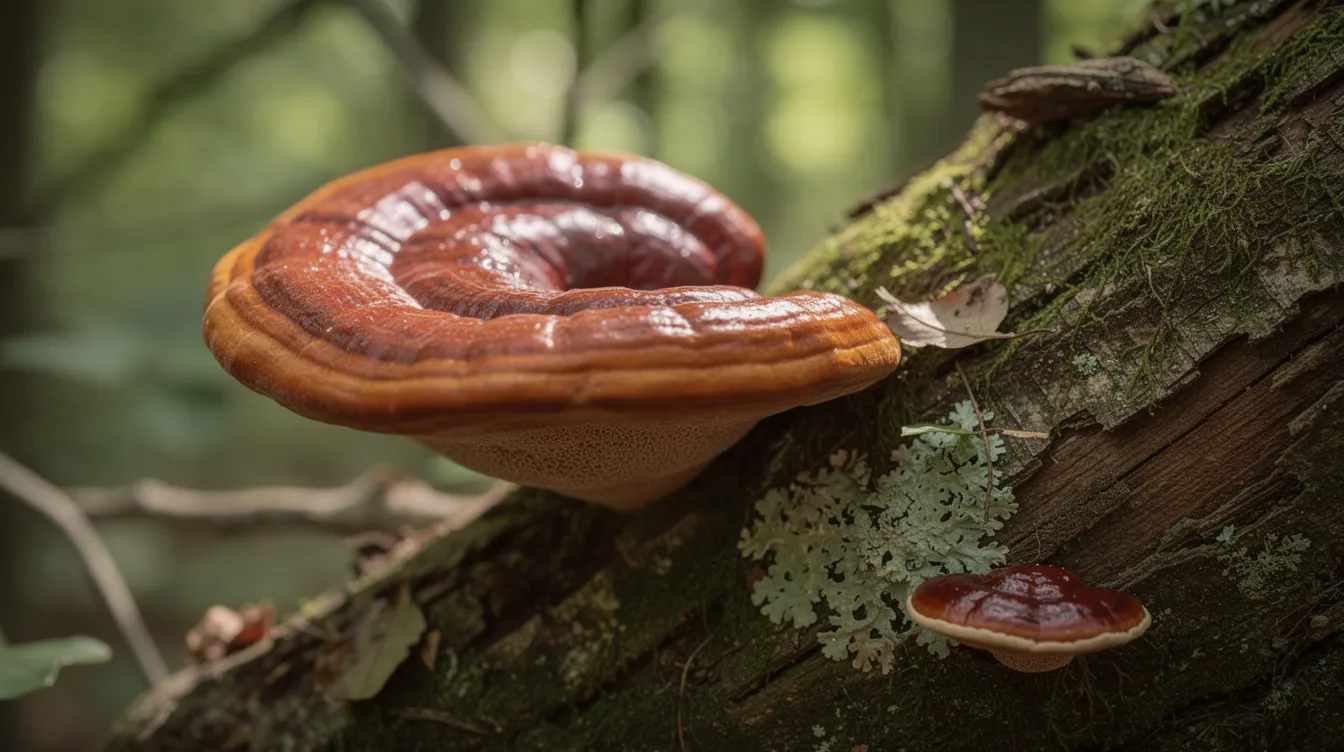
Did You Know? Reishi found in the wild is not the same as a carefully prepared supplement. Wild reishi-like fungi can be confused with toxic species, and the raw fruiting body is largely indigestible. Never forage mushrooms for your dog - always use products made from identified, cultivated mushrooms.
How does reishi mushroom work in dogs? (Beta-glucans, polysaccharides and more)
Most research on reishi comes from laboratory and human studies, with fewer high-quality clinical trials in dogs. The evidence for reishi's benefits in dogs is still limited, so results should be viewed as promising but not yet conclusive.
Reishi mushrooms contain triterpenes with anti-tumor activities, along with several other groups of active ingredients:
- Beta-glucans and polysaccharides - complex sugars that act as immune-modulating molecules, particularly beta glucans, which interact with immune cell receptors to influence how the body responds to challenges.
- Triterpenes (ganoderic acids) - bitter compounds studied for their anti inflammatory properties and ability to reduce oxidative stress.
- Antioxidant phenols and sterols - molecules that may help neutralize harmful free radicals and support the body's own protective systems.
A critical distinction: reishi appears to modulate the immune system rather than simply stimulate it. This means it may help balance an over-active or under-active immune response. In a 2022 study of 40 healthy beagles, supplementation at 15 mg/kg bodyweight daily for 28 days enhanced vaccine-specific antibody responses and tended to increase macrophage activity - without triggering excessive inflammation.
However, doses and preparations in research often differ from commercial pet mushroom products, and individual responses vary.
Vet Tip: Reishi should be viewed as nutritional support within a complete care plan, not a replacement for diagnosis or treatment. If your dog has existing health conditions, discuss any supplement with your vet first.
Reishi vs other medicinal mushrooms: turkey tail, shiitake, maitake, cordyceps and chaga
Several mushroom species appear in pet supplements, each with different research backgrounds and traditional uses. Here is a simplified comparison:
|
Mushroom |
Key focus |
Canine evidence |
|---|---|---|
|
Reishi (Ganoderma lucidum) |
Immune modulation, antioxidant support, healthy ageing |
One controlled canine study; broader human/rodent data |
|
Turkey tail (trametes versicolor) |
Immune support, particularly in oncology settings |
Strongest direct canine evidence (e.g. hemangiosarcoma survival study) |
|
Shiitake (Lentinula edodes) |
B vitamins, minerals, antioxidant and immune support |
Mainly nutritional; limited canine clinical trials |
|
Maitake (Grifola frondosa) |
Beta-glucan rich; metabolic and immune effects |
Studied primarily in humans and rodents |
|
Cordyceps |
Stamina, respiratory support, mitochondrial function |
Very limited canine data; mainly traditional |
|
Chaga (Inonotus obliquus) |
High antioxidant content |
Safety needs careful dose control due to oxalates |
Turkey tail mushroom has the strongest direct canine evidence, particularly in oncology contexts where a study found that dogs with hemangiosarcoma receiving turkey tail polysaccharides alongside standard therapy had longer median survival than historical controls. Reishi's canine evidence, by contrast, is more indirect and extrapolated from other species.
Combining mushroom species is common in supplements to target several pathways - immune balance, antioxidant status and stress resilience. But more is not always better: blending can dilute the active dose of each individual mushroom species. Owners should focus on clinically relevant doses, quality sourcing and veterinary guidance rather than chasing every new trend.
Not all mushrooms are safe for dogs; some wild species can be toxic. Mushroom supplements are formulated to exclude harmful species, but quality control varies between manufacturers.
Potential benefits of reishi for dogs: what the evidence suggests
This section offers a balanced overview. Reishi is being studied for potential health benefits rather than proven treatments, and much evidence comes from laboratory, rodent or human data. Medicinal mushrooms are used to support various aspects of health in dogs, but strong clinical proof in canine patients remains limited for most claims.
Key areas of interest include:
- Immune function - Reishi mushrooms boost the immune system in dogs by modulating both innate and adaptive immune cells. The 2022 beagle study showed that dogs receiving 15 mg/kg daily had significantly increased vaccine-specific antibody responses and increased B-cell MHC-II expression (41.9% versus 34.6% in controls).
- Antioxidant support - Reishi's antioxidant properties may help neutralise harmful free radicals, supporting the body's own systems and contributing to healthy ageing. Mushrooms can provide immune-boosting and anti-inflammatory benefits through these pathways.
- Healthy inflammatory responses - Triterpenes and polysaccharides have been studied for their effect on inflammatory signalling pathways, which may be relevant for dogs in joint care programmes where chronic low-grade inflammation plays a role.
- Liver and metabolic support - Reishi may support liver function and detoxification based on preclinical data. It can improve cardiovascular health by acting as a vasodilator, relaxing blood vessels and supporting the cardiovascular system. A Cochrane review examining reishi for cardiovascular risk factors in humans found mixed results, with some data suggesting modest effects on blood pressure and the potential to lower blood sugar, though evidence quality was low.
- Reishi mushrooms may shrink tumors in some cases - Laboratory and animal models have shown effects on cancer cells and tumor growth, but these findings cannot be directly applied to clinical canine oncology without further research.
Reishi must not be framed as a treatment for cancer, arthritis, diabetes or liver disease. More high-quality canine studies are needed before strong clinical claims can be made, consistent with WSAVA evidence-based nutrition guidance.
Reishi mushroom and joint health: complementing core joint supplements
Reishi is not a joint-specific ingredient in the way that green lipped mussel, glucosamine, MSM, Boswellia or hyaluronic acid are. However, joint health in dogs is influenced by more than cartilage alone - wider systemic factors such as immune function, oxidative stress and bodyweight all play a role.
|
Role |
Ingredients |
|---|---|
|
Cartilage structure and repair |
Glucosamine, chondroitin, green lipped mussel, MSM |
|
Joint lubrication |
Hyaluronic acid |
|
Inflammation modulation |
Boswellia, omega-3 fatty acids, green lipped mussel |
|
Whole-body support (immune balance, oxidative stress, ageing) |
Reishi mushroom, vitamin C, antioxidants |
In practice, reishi is often included within comprehensive joint formulas to support overall health and resilience - particularly in senior, large breed or highly active dogs where the cumulative burden of oxidative stress and immune challenge is higher.
Owners should not discontinue prescribed pain relief, weight management programmes or physiotherapy when starting any mushroom supplement. Reishi complements, but does not replace, targeted joint care or veterinary treatment.

Which dogs might benefit most from reishi supplements?
This is guidance rather than a diagnostic tool. Decisions should be made with a vet familiar with the individual dog's full history.
Dogs where reishi may be considered include:
- Senior dogs experiencing age-related changes, where immune balance and antioxidant support are priorities.
- Large and giant breeds with long-term joint and mobility needs, as part of a broader plan that addresses overall health.
- Active or working dogs - agility dogs, gundogs, and other physically demanding roles where whole-body resilience support may help manage cumulative stress.
- Dogs recovering from illness or surgery, where a vet considers additional nutritional immune support appropriate.
Dogs requiring extra caution or avoidance:
- Dogs with autoimmune diseases or on immunosuppressive drugs - reishi may alter immune activity and may not be suitable for dogs with autoimmune disorders.
- Dogs with significant liver or kidney disease.
- Pregnant or lactating bitches.
- Very young puppies, where complete, balanced nutrition should be the priority.
Consult a veterinarian before giving reishi to dogs with health issues. Take a whole-dog view: diet quality, body condition score, exercise, environment and medical care all matter more than any single supplement.
Safety, side effects and when to avoid reishi mushrooms in dogs
Commercially produced reishi supplements are generally well tolerated by most healthy adult dogs when used at label doses, but individual sensitivities can occur. Veterinary consultation is recommended before using reishi in dogs with any existing conditions.
Common, usually mild side effects:
- Some dogs may experience gastrointestinal upset from reishi, including soft stools, mild diarrhoea or reduced appetite - particularly when first introduced.
- Reishi can cause allergic reactions in some dogs, though this is uncommon. Some dogs may develop sensitivities to mushrooms over time with prolonged use.
- In humans, reishi mushrooms can cause nausea and insomnia; similar sensitivities are theoretically possible in dogs.
Warning signs requiring prompt veterinary advice (stop the supplement immediately):
- Vomiting, marked lethargy, jaundice, pale gums, unusual bruising or seizures.
- Medicinal mushrooms can cause serious adverse reactions without warning, so vigilance during the introduction period is essential.
Known and theoretical cautions:
- Reishi can potentially interact with blood-thinning medications. Reishi mushrooms have anti-clotting effects and shouldn't mix with blood thinners or NSAIDs.
- Reishi may cause liver problems in some patients using powdered products - rare cases of hepatotoxicity have been reported in humans, typically at high doses or with pre-existing liver risk.
- Not all mushrooms are safe; some wild species are toxic and can harm dogs. Never let your dog eat wild mushrooms, including wild reishi-like species.
What to tell your vet: Bring the product name, full ingredients list, current dose, any other supplements or prescribed medications, and recent blood test results if your dog has chronic conditions.
How to choose a quality reishi mushroom supplement for your dog
Unlike licensed veterinary medicines, mushroom supplements are not assessed to the same regulatory standard. Owners must choose products carefully, ideally in consultation with a vet.
Key selection criteria:
- Clear labelling of the mushroom species (e.g. Ganoderma lucidum) and plant part used (fruiting body, mycelium, or both).
- Evidence of batch testing for contaminants - heavy metals, pesticides and microbial safety.
- Transparent extraction method (hot-water or dual extraction) and stated beta-glucan content where available. High-quality reishi extracts should be used to ensure bioavailability.
- Avoidance of unnecessary fillers, sugars or artificial flavourings.
Reishi products should be specifically formulated for pets to ensure safety - human mushroom products may be too concentrated, poorly flavoured or contain unsuitable excipients. Mushroom supplements are formulated to exclude harmful species, but not all brands are equally rigorous.
Favour brands willing to share quality-control processes and answer ingredient questions, consistent with WSAVA guidance on critically assessing nutrition information online.
Five signs of a trustworthy medicinal mushroom product:
- Named mushroom species and part used on the label
- Extraction method clearly stated
- Third-party batch testing for contaminants
- Designed specifically for dogs (not repurposed human products)
- Manufacturer transparency about sourcing and quality contro
Practical dosing: how much reishi can you give a dog?
There is no single universally agreed standard dose for reishi in dogs. Dosing depends on the specific product, extraction strength and the dog's size and health status.
General, non-prescriptive guidance:
- Always start with a low dose of reishi to avoid digestive upset, working up to the product's recommended level.
- Introduce gradually over 5–7 days to monitor tolerance, watching for changes in appetite, stool consistency or behaviour.
- Use bodyweight-based dosing, following the product's label - many UK supplements structure their guidance around brackets such as up to 10 kg, 10–25 kg, 25–40 kg and 40 kg+.
- Powders are typically given once daily mixed into food. For sensitive dogs, some owners and vets prefer splitting the dose between morning and evening.
The 2022 beagle study tested doses of 5, 10 and 15 mg/kg bodyweight daily. Meaningful immune effects were most apparent at 15 mg/kg over 28 days. However, this was a controlled research setting, and commercial products vary widely in concentration.
Never exceed label recommendations without veterinary advice. Stop immediately if concerning signs arise.
Practical tip: Keep a simple supplement diary for the first month - noting the dose, dates started and any changes in behaviour, appetite or stool - to share with your vet at the next check-up.
How to give Reishi to your dog: powders, chews, broths and more
Most dogs will accept reishi without fuss if it is blended into tasty food or included within palatable joint or wellness chews.
Common administration forms:
- Powder mixed into wet food, raw meals or a small amount of tinned food topper.
- Capsules hidden in treats or opened and sprinkled over food if the label confirms this is safe.
- Chewable supplements where reishi is one component in a broader joint or wellness formulation.
- Homemade broths made with a commercial canine-safe reishi powder (never raw wild mushrooms), under veterinary guidance.
Reishi can be given as a tincture, powder, or capsule, depending on product availability and your dog's preferences.
Reishi mushrooms should be cooked or properly extracted before feeding to dogs. Avoid giving raw reishi mushrooms to dogs due to toxicity risks and poor digestibility - the woody fruiting body can pose a choking or obstruction hazard.

Tips for fussy eaters: Try mixing the powder with a small amount of low-salt bone broth, a spoonful of dog-safe yoghurt, or slightly warmed wet food. Keep overall calories in mind for weight control, and introduce only one new supplement at a time so any reactions can be traced to the correct product.
Reishi within Alder & Hound's approach to canine joint health
Alder & Hound is a UK-based specialist in canine mobility and healthy ageing, focusing on evidence-informed joint supplementation and owner education through our Canine Mobility Knowledge Centre.
In our ForeverRun advanced joint and mobility supplement, reishi mushroom powder is included as part of a balanced formula alongside:
- Green lipped mussel
- Glucosamine
- MSM
- Boswellia serrata
- Hyaluronic acid
- Vitamin C
This combination is designed to address multiple dimensions of joint health:
- Cartilage support - glucosamine, MSM
- Joint comfort and inflammatory balance - green lipped mussel, Boswellia
- Joint lubrication - hyaluronic acid
- Antioxidant support and healthy ageing - reishi mushroom, vitamin C
Reishi plays a supporting role within this formula, contributing to overall health and resilience rather than targeting cartilage or joint lubrication directly. This reflects the evidence: reishi's medicinal properties are best understood as systemic rather than joint-specific.
Supplementation is only one part of a comprehensive care plan. Weight control, appropriate exercise, pain management and regular veterinary checks remain the foundation of good joint health for every dog.

Talking to your vet about reishi and other mushroom supplements
Your veterinary team are your most important partners in nutritional decision-making. Treat them as allies, not obstacles.
Questions to ask your vet:
- "Is reishi mushroom appropriate for my dog's age, breed and medical history?"
- "Could reishi interact with any of my dog's current medicines or supplements?"
- "Which form and dose would you be most comfortable with for my dog?"
- "How should we monitor for benefit and side effects over the next 6–12 weeks?"
What to bring to the appointment:
- Clear photos of the product label and full ingredients list
- A list of all other supplements, over-the-counter products and prescribed medications
- Recent blood test results if your dog has any chronic conditions
Remember: Online information - including this guide - is educational and cannot replace a full veterinary examination and tailored advice for your individual dog.

Frequently asked questions about reishi mushrooms for dogs
Are reishi mushrooms safe for dogs?
Commercial reishi supplements are generally well tolerated by healthy adult dogs at label doses. Key cautions include potential interactions with blood-thinning medications, unsuitability for dogs with autoimmune conditions or severe liver disease, and the absolute rule that dogs must never eat wild mushrooms. Always discuss any new supplement with your veterinarian.
Can reishi help dogs with cancer?
Reishi mushrooms can help fight cancer in dogs in a supportive role - research has shown effects on cancer cells in laboratory settings, and reishi mushrooms can reduce chemotherapy side effects in dogs in some studies. However, reishi must never be used as a stand-alone cancer treatment and should only be considered under the direct guidance of a veterinary oncologist. Some research suggests reishi may help prevent secondary cancers or slow tumor growth, but clinical evidence specifically in dogs remains very early-stage.
How long does it take to see effects from reishi supplements?
In the 2022 beagle study, measurable changes in immune markers appeared by day 14, with vaccine responses noted within a week of vaccination at the highest dose. For general wellness, antioxidant support or as part of a joint health programme, owners may notice subtle changes over several weeks to months - or may not notice visible differences at all. Responses are individual, and anti aging or longevity-related effects are inherently difficult to observe.
Can I give reishi with other joint supplements?
Many joint formulas already combine reishi with established joint ingredients such as glucosamine, green lipped mussel and Boswellia. However, stacking multiple overlapping mushroom products can risk excessive intake or interactions. Always check with your vet before combining supplements, particularly if your dog's diet already includes medicinal plants, vitamins or other functional ingredients.
Should my puppy have reishi mushroom?
For growing dogs, the priority should be a complete, balanced diet that supports healthy development. There is no published evidence supporting reishi supplementation in puppies, and their developing systems may respond differently to bioactive compounds. Seek veterinary advice before using any medicinal mushrooms in dogs under 12 months of age.
How should I store reishi supplements?
Keep mushroom products in a cool, dry place away from direct sunlight. Follow the expiry date on the packaging and store out of reach of pets and children. Opened powders should be sealed tightly after each use.
Key takeaways for UK dog owners considering reishi mushrooms
- Reishi is a long-used medicinal mushroom with promising immune and antioxidant properties, but canine research is still developing and high-quality clinical trials remain limited.
- Only use vetted supplement forms - never wild or raw mushrooms. Reishi should be properly extracted or cooked before being included in a dog's diet.
- Reishi complements but does not replace proven joint-support ingredients and veterinary treatment, particularly for senior and active dogs with arthritis or mobility concerns.
- Quality matters - choose products with clear species labelling, transparent extraction methods, batch testing and pet-specific formulation. Look for stated beta-glucan content where available.
- Work with your vet - this is the single best safeguard against side effects, interactions and diseases that need professional management. Share full details of any supplements alongside prescribed medications.
- Whole-dog care has the biggest impact - weight control, appropriate exercise, pain management and good nutrition remain the foundation of mobility and healthy ageing for every pet.
Continue exploring evidence-informed canine joint health through the Alder & Hound Canine Mobility Knowledge Centre, including our ingredient guides on green lipped mussel, Boswellia and hyaluronic acid.
For owners looking for a comprehensive joint supplement that includes reishi as part of a wider evidence-informed formula, ForeverRun is one option worth discussing with your veterinarian.