
Arthritis in Dogs: The Definitive Evidence‑Informed UK Guide

Arthritis in Dogs: The Definitive Evidence‑Informed UK Guide
🟢 Last updated: July 2026
🟢 Reading time: 25–30 minutes
🟢 Reviewed by: Alder & Hound Canine Mobility Team
📖 Jump To
- What arthritis is
- Causes and risk factors
- Signs and stages
- Veterinary diagnosis
- Weight and exercise
- Physiotherapy and hydrotherapy
- Medication and pain management
- Nutrition and supplements
- Home care and long-term management
- FAQs and next steps
Introduction
Arthritis in dogs, most often osteoarthritis, is a chronic, progressive joint disease that causes pain, stiffness and reduced mobility as joint cartilage wears down and inflammation builds, but it can usually be managed well over the long term with the right care. It is also one of the most common causes of chronic pain in dogs, yet one of the most under-recognised. Many dogs live with joint discomfort for months or even years before their owners realise that what looks like "slowing down" is actually a treatable condition.
Written for UK dog owners who want clear, honest and evidence-informed answers, this guide explains what canine arthritis is, how to recognise the early signs, how vets diagnose it, and what can genuinely be done to help. Whether your dog has just been diagnosed or you are trying to work out if subtle changes point to joint pain, we will take you through treatment options, home care, joint supplements, weight and exercise management, physiotherapy, medication and practical long-term strategies to protect comfort, mobility and quality of life.
Quick Answers: Helping a Dog with Arthritis Today
If you suspect your dog has arthritis, or you have just received a diagnosis, you are in the right place. This section gives you the essential first steps so you can start making a difference straight away.
First steps to take now:
- Book a vet appointment - even if the signs seem mild, early assessment leads to better outcomes
- Note the clinical signs you have observed: stiffness, limping, reluctance to jump or climb stairs, changes in your dog's behaviour
- Stop high‑impact activities like long ball‑throwing sessions or repetitive jumping
- Switch to short, frequent lead walks on even ground
- Prevent sudden bursts of intense exercise that put extra strain on sore joints
Red flag - call your vet urgently if you notice:
- Acute non‑weight‑bearing lameness (your dog refuses to put a leg down at all)
- Yelping or crying out in pain when moving or being touched
- Sudden paralysis, collapse, or inability to stand
- Severe swelling or a joint that feels hot to the touch
- Any signs of major trauma such as a fall or road traffic accident
What you can do at home right now for comfort:
- Provide a warm, non‑slip resting area away from draughts - a soft bed or memory foam beds can relieve pressure on painful joints
- Help your dog with stairs or getting in and out of the car
- Keep them warm and dry, especially on cold days
- Place anti slip mats or rugs on slippery flooring around favourite routes
- Stick to gentle lead walks only until your vet has assessed them
The reassuring news is that arthritis is usually manageable long term. Most dogs benefit from a multimodal plan combining weight control, regular exercise, pain relief, physical therapy, joint supplements and home adaptations. The sections below cover each of these in detail, and Alder & Hound's Canine Mobility Knowledge Centre provides deeper resources on every element.

What Is Arthritis (Osteoarthritis) in Dogs?
Canine arthritis - most commonly osteoarthritis (OA) - is a chronic, progressive joint disease in which the protective structures inside a joint gradually break down, causing pain, stiffness and reduced mobility.
Osteoarthritis is also commonly called degenerative joint disease. “Arthritis” is a broader term covering inflammation and disease of the joints, while osteoarthritis is the most common form diagnosed in dogs.
In a healthy joint, smooth articular cartilage covers the ends of the bones, allowing near‑frictionless movement. Joint fluid (synovial fluid) lubricates and nourishes the cartilage, while the joint capsule, ligaments and surrounding muscles hold everything stable.
When osteoarthritis develops, the picture changes significantly. Joint cartilage becomes thinner and frayed. The joint capsule thickens and becomes inflamed. The body lays down extra bone around the joint margins - these bony spurs are called osteophytes. The composition and lubricating properties of synovial fluid may deteriorate as the joint environment changes, losing its ability to cushion and nourish. Eventually, pain arises from exposed bone surfaces, inflamed tissues and mechanical instability of the arthritic joint.
It is important to understand that osteoarthritis cannot currently be cured. No treatment reliably regenerates damaged cartilage in dogs. However, with the right management, many dogs with OA maintain comfortable, active lives for years after diagnosis. Data from a large UK veterinary study found that, on average, dogs spent over 11% of their lifespan after an OA diagnosis - a long period during which good care makes a real difference.
For a deeper look at how joints work and what can go wrong, our Complete Guide to Joint Health in Dogs covers joint anatomy and common joint problems in detail.
How Common Is Arthritis in Dogs in the UK?
Arthritis in dogs is sometimes described as a "silent epidemic." It is widespread but frequently mistaken for normal ageing, which means many dogs never receive proper diagnosis or treatment.
Prevalence figures vary depending on how they are measured. Osteoarthritis becomes more common in older dogs and can also develop from injuries at a younger age. It is often cited that around one in five adult dogs may be affected, with the proportion rising sharply in senior populations. However, a large UK primary‑care study (VetCompass, covering approximately 455,000 dogs) estimated a formally diagnosed one‑year prevalence of appendicular OA at around 2.5% - far lower than the commonly quoted figures, strongly suggesting that the majority of cases go undiagnosed.
Both pedigree and crossbreed dogs develop OA, but certain breeds carry an increased risk. In the same VetCompass study, prevalence was notably higher in Golden Retrievers (approximately 7.8%), Labrador Retrievers (6.1%), Rottweilers (5.4%) and german shepherds (4.9%). Springer spaniels, Bulldogs and other breeds predisposed to hip dysplasia or elbow dysplasia also feature prominently in veterinary caseloads.
Crucially, OA is not just a disease of older dogs. Puppies and younger dogs with developmental orthopaedic conditions - such as hip dysplasia, elbow dysplasia, cruciate ligament injuries or osteochondrosis - may begin developing arthritis surprisingly early in life. Added to longer average lifespans thanks to better nutrition and veterinary medicine, more dogs than ever are reaching ages where chronic joint conditions become a significant concern.
What Causes Osteoarthritis in Dogs?
Osteoarthritis is best understood as a "final common pathway" - the end result of many factors rather than a single trigger. Simple ageing alone does not fully explain why some dogs develop severe arthritis while others remain comfortable throughout life.
Major causes and risk factors include:
- Developmental conditions such as hip dysplasia and elbow dysplasia, where abnormal joint formation during growth creates uneven wear. These are among the most common reasons younger dogs develop secondary OA.
- Cranial cruciate ligament (CCL) injuries and other ligament damage, which destabilise the knee (stifle) and almost always lead to some degree of arthritis, even after surgical repair.
- Abnormal cartilage development and joint incongruity, where the joint surfaces do not fit together smoothly.
- Previous fractures that cross a joint surface, disrupting normal mechanics.
- Repetitive high‑impact activity, especially on hard or slippery surfaces, which places cumulative stress on joints.
- Obesity - excess body weight is both a mechanical burden and a source of chronic low‑grade inflammation. Obesity increases the risk of developing arthritis significantly.
- Genetic predisposition - genetic predisposition can increase arthritis risk in certain breeds, particularly large and giant breeds, as well as breeds with known conformational challenges.
- Less common causes include joint infection and immune‑mediated joint disease, which require different diagnostic approaches.
Vets often distinguish between primary OA (age related arthritis or idiopathic degeneration with no obvious underlying cause) and secondary OA (triggered by an identifiable problem like dysplasia or injury). Injury can lead to the development of arthritis at any point in a dog's life, not just in old age.
Environmental and lifestyle contributors matter too. Rapid growth in large‑breed puppies fed energy‑dense diets, excessive jumping at a young age, poor muscle conditioning and slippery flooring at home can all play a part.
The encouraging message is that while you cannot change your dog's genetics, you can strongly influence many modifiable risk factors - particularly weight, exercise, environment and injury prevention. These are the factors where proactive owners make the biggest difference.
How Osteoarthritis Develops Inside the Joint
Understanding what happens inside the joint helps explain why managing arthritis requires more than a single approach. OA is both a mechanical and inflammatory disease of the whole joint - not simply "worn‑out cartilage."
The typical process unfolds in stages:
- An abnormal load (from dysplasia, injury or excess weight) or abnormal joint structure causes microscopic damage to the cartilage surface.
- Damaged cartilage releases inflammatory mediators - molecules such as cytokines and destructive enzymes - into the joint fluid.
- The synovial membrane (the lining of the joint) responds by thickening and becoming inflamed, a process called synovitis.
- As inflammation continues, cartilage progressively loses its smooth, shock‑absorbing properties and thins further.
- The underlying bone begins to remodel, forming osteophytes (bony spurs) and areas of increased density (sclerosis).
- Pain results from nerve endings in the bone, joint capsule and surrounding soft tissues being stimulated by inflammation, pressure and instability.
This creates a vicious cycle. Pain reduces movement. Reduced movement leads to muscle loss and joint stiffness, which further destabilises the joint and increases pain. Over time, as the condition develops, many dogs adapt their movement patterns to avoid discomfort - shifting weight, shortening stride or avoiding certain activities altogether.
It is this "whole joint disease" concept that explains why management must be multimodal. No single intervention addresses every aspect of the problem. Effective plans target weight, exercise, pain, inflammation, muscle strength and the home environment together - breaking the cycle at as many points as possible.
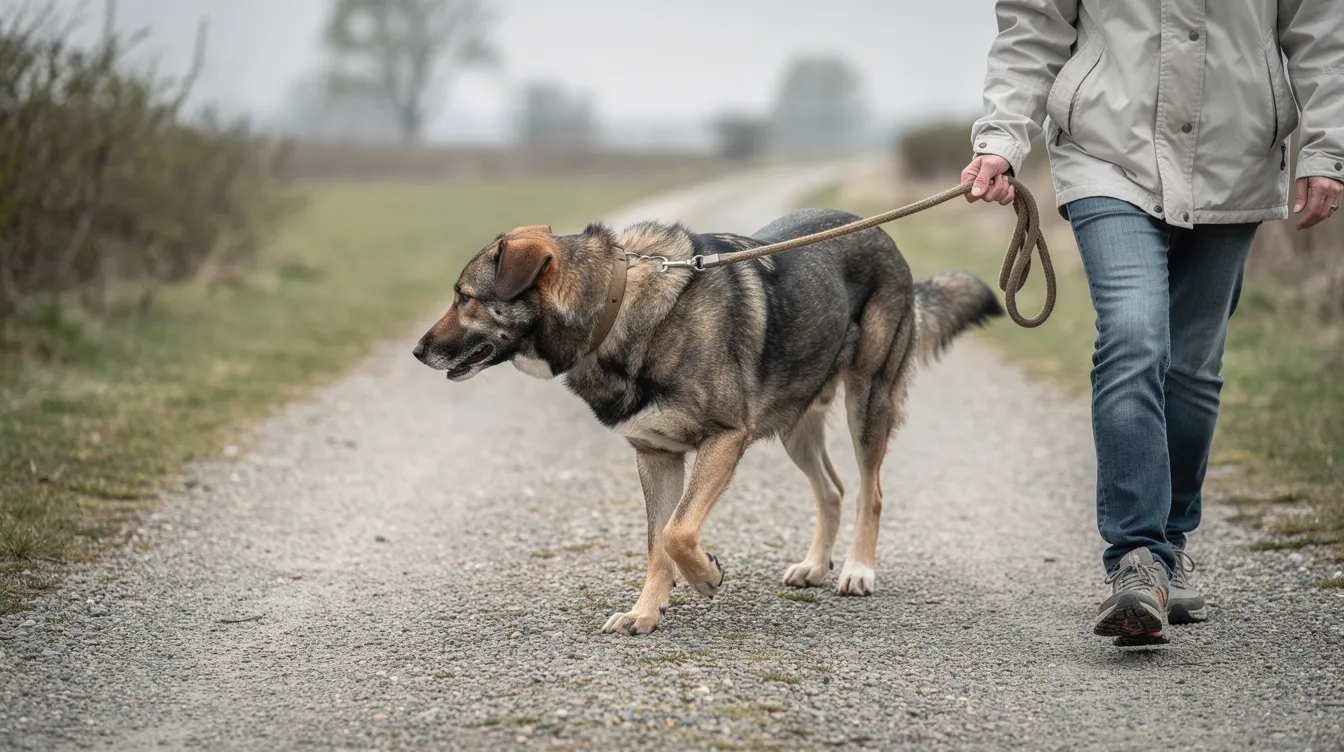
Which Joints and Breeds Are Most Commonly Affected?
OA can affect almost any synovial joint, but certain locations are far more common in dogs.
Commonly affected joints:
- Hips - frequently linked with hip dysplasia, especially in large breeds such as Labradors, Golden Retrievers and bernese mountain dogs
- Elbows - often caused by elbow dysplasia in young to middle‑aged dogs
- Knees (stifles) - commonly affected after cruciate ligament rupture
- Shoulders, wrists (carpi) and hocks - particularly in active, athletic or working dogs
- Spine - spondylosis and lumbosacral disease occur particularly in older and large‑breed dogs
Breed predispositions are well documented. Large and giant breeds - including Labradors, Golden Retrievers, german shepherds, Rottweilers, Newfoundlands and bernese mountain dogs - are over‑represented. Medium breeds such as Cocker Spaniels, springer spaniels, Staffordshire Bull Terriers and Bulldogs also carry notable risk.
Small dogs are not exempt. Dachshunds, Pugs and Yorkshire Terriers may develop OA secondary to patellar luxation, spinal problems or other structural issues affecting different joints.
Owners of higher‑risk breeds should be especially proactive about joint health from an early age: seeking appropriate screening, maintaining a lean body condition, providing sensible exercise and seeking veterinary assessment promptly for any lameness.
Clinical Signs of Arthritis in Dogs: What Owners Actually See
Signs of arthritis may be subtle and include changes in behavior and mobility that develop so gradually they are easy to overlook. Dogs rarely cry out with chronic pain. Instead, they quietly adapt - doing less, moving differently or withdrawing from activities they once enjoyed.
Movement‑related signs to watch for:
- Stiffness when getting up, especially after rest or in the morning - dogs may exhibit stiffness after waking or inactivity that "loosens up" after a few minutes
- Limping, favouring one leg, or a "bunny‑hopping" gait in the hind legs - visible limping may occur after exercise in affected dogs
- Reluctance to jump into the car, onto the sofa, or climb stairs
- Slowing down on walks, lagging behind, or wanting to turn for home earlier than usual
- Difficulty squatting to toilet, or occasional accidents indoors because the posture is painful
- Joint swelling can be a sign of arthritis in dogs, particularly noticeable in elbows or wrists
Behavioural and emotional signs of chronic pain:
- Irritability, grumpiness when touched, or snapping when affected joints are handled - a notable change in your dog's behaviour
- Withdrawal from family or other pets; dogs may show reluctance to play or exercise
- Restlessness at night, frequent position changes, excessive panting
- Changes in sleep pattern or increased vocalisation in severe cases
More subtle clues include changes in posture, licking or chewing at joints, muscle wastage over hips or shoulders, changes in coat condition where the dog avoids grooming sore areas, or unevenly worn nails on certain paws.
Symptoms of arthritis develop gradually over time, which is why so many cases are missed. Trust your instincts: if your older dog - or even a younger dog - just does not seem themselves, or is slowing down in ways that feel different, arthritis pain is a common cause worth investigating with your vet.
Stages of Arthritis Progression: From Early to End‑Stage Disease
Osteoarthritis is a progressive joint disease, and arthritis progresses through four stages: early, mild, moderate, and severe. The speed of progression varies widely between individual dogs and depends on many factors including breed, weight, activity level and the underlying cause.
Early stage: In early stage arthritis, symptoms are subtle and hard to detect. You might notice a slight stiffness after vigorous exercise or rest, a minor reduction in enthusiasm for long walks, or an occasional limp that seems to "warm out" within minutes. Most dogs at this stage remain very active, and many owners understandably assume nothing is wrong. This is precisely why the early stages are so often missed.
Mild stage: Mild stage arthritis shows noticeable limping and reluctance to exercise. The dog may hesitate before jumping or begin avoiding stairs. There may be the odd "off day" where stiffness is more apparent, particularly on cold days or after long periods of rest.
Moderate stage: Moderate stage arthritis causes significant reluctance to move and visible pain. Lameness becomes more consistent. Walks shorten. Muscle loss over the affected limbs becomes noticeable. This is frequently the point at which owners first recognise a genuine problem and seek veterinary advice.
Severe stage: Severe arthritis leads to extreme pain and possible refusal to move. Dogs at this stage may struggle to rise, show profound muscle wasting, and experience incontinence simply because moving to toilet is too painful. Daily comfort and independence are significantly compromised.
The key message here is that early recognition and management can slow progression, maintain muscle mass and delay the severity of later stages. If you suspect your dog may be in the early or mild stages, a prompt veterinary assessment opens the door to interventions that genuinely make a long‑term difference.
When to See the Vet – And What to Expect at the Appointment
Any persistent lameness, stiffness lasting more than a few days, or noticeable change in activity or your dog's behaviour in older dogs should prompt a vet visit. "They're just getting old" is the most common reason arthritic pain goes untreated - and it need not.
How to prepare:
- Take short video clips of your dog moving at home - walking, trotting, navigating stairs - as signs can be harder to spot in a stressful consult room
- Write a list of clinical signs and when they tend to happen (mornings, after walks, on cold days)
- Note current diet, treats, any supplements and any previous injuries or operations
What typically happens during the appointment:
- A thorough history, including onset and pattern of signs
- A full physical examination and orthopaedic assessment - the vet will palpate the dog's joints, test range of motion and observe gait
- Discussion of weight, body condition score and lifestyle
- The vet may watch your dog walk or trot outside the building for a clearer gait assessment
Depending on age, severity and the suspected underlying cause, the vet may recommend further tests: x rays to visualise joint changes, blood tests to check suitability for medications, or, less commonly, referral for advanced imaging.
It is also worth remembering that regular check ups are valuable once OA is diagnosed. Arthritis management is dynamic, and periodic review allows pain relief and exercise plans to be adjusted safely as your dog's needs change over time.
How Vets Diagnose Arthritis: Tests and Imaging
Diagnosing arthritis relies on combining what the vet finds during a physical examination with the pattern of signs you, as the owner, describe and - where indicated - what imaging reveals.
Standard diagnostic tools include:
- Orthopaedic examination and gait analysis - the vet assesses how the dog moves, which limbs it favours, and whether gait is symmetrical
- Joint palpation - feeling for swelling, crepitus (a grating sensation within the joint), reduced range of motion and pain responses
- Muscle condition assessment - comparing muscle bulk between limbs, which can indicate chronic disuse of a painful leg
The role of x rays: Radiography is the most commonly used imaging tool for OA. It can reveal narrowed joint spaces, osteophytes, bony remodelling, and help rule out other conditions such as bone tumours or fractures. However, it is important to know that radiographic changes do not always match the level of pain - some dogs with dramatic x ray changes cope well, while others with minimal visible change experience significant discomfort. This is why clinical signs remain a vital part of the diagnosis.
Other imaging options available at some UK referral practices include CT, MRI and arthroscopy. These are typically reserved for complex cases - such as difficult elbow disease or when surgical planning is needed.
In some cases, blood tests and joint fluid analysis may be performed to rule out infectious or immune‑mediated joint disease before confirming a diagnosis of osteoarthritis as the underlying cause.
Not every dog requires extensive imaging immediately. Vets will balance diagnostic benefit against practical considerations such as sedation or anaesthesia risk, cost and the dog's overall health.
The Principles of Managing Osteoarthritis in Dogs
A multimodal management approach is effective for improving a dog's quality of life with arthritis. This means combining several strategies rather than relying on any single treatment.
The key goals of long‑term arthritis care are to:
- Reduce pain and manage inflammation
- Maintain or improve mobility and joint range of motion
- Protect and rebuild muscle mass
- Slow further joint damage where possible
- Support a good quality of life and preserve the bond between dog and owner
There is no single "magic pill." The most successful plans involve collaboration between you, your vet, your veterinary nurse and - in many cases - physiotherapists, hydrotherapists and other specialists. Managing arthritis is usually lifelong, and plans will need periodic adjustments as your dog's condition evolves.
The treatment options covered in the following sections - weight management, exercise, physiotherapy, pain medication, nutrition, joint supplements and home adaptations - each address a different aspect of the disease. Used together, they offer the best chance of keeping your dog comfortable and active for as long as possible.
Alder & Hound exists to help owners understand and navigate these options, providing evidence‑informed resources so that you can make confident, well‑informed decisions alongside your veterinary team.
Weight Management: Why Keeping Dogs Lean Matters So Much
If there is one single intervention that consistently and powerfully improves outcomes in dogs arthritis management, it is maintaining a healthy weight. Weight control is crucial for managing arthritis in dogs - often more impactful than any individual medication or supplement.
Why excess weight is so damaging to arthritic joints:
- Mechanical overload: Every extra kilogram places additional force on already painful, damaged joints - particularly hips, knees and elbows.
- Metabolic inflammation: Fat tissue is not passive. It actively produces inflammatory mediators (adipokines) that can worsen joint inflammation from the inside, even without mechanical stress.
Landmark studies in Labrador Retrievers have demonstrated that dogs kept at a lean body condition throughout life developed arthritis later, experienced less severe disease and lived on average almost two years longer than their overfed siblings. This is one of the most powerful findings in veterinary medicine relating to chronic disease.
Practical guidelines for owners:
- Body condition scoring (BCS): Learn to assess your dog using a simple body condition chart - you should be able to feel the ribs easily under a light fat covering, and see a visible waist when viewed from above. Your vet or nurse can show you how.
- Measured portions: Weigh food rather than guessing. "Guestimates" are one of the most common reasons dogs gradually gain weight.
- Veterinary‑supervised weight loss: For dogs that are already overweight, your vet can design a safe, structured weight‑loss plan, sometimes using prescription weight‑management diets that are lower in calories but still nutritionally complete.
Everyday strategies that help: Swap high‑calorie treats for low‑calorie alternatives (carrot sticks, cucumber, a small portion of the daily ration used as training treats). Involve all family members - consistency is everything. Schedule regular weight checks at your vet or nurse clinic to track progress.
Exercise for Dogs with Arthritis: Finding the Right Balance
Regular low‑impact exercise helps maintain joint flexibility and strength in dogs with arthritis. It may seem counterintuitive, but well‑managed movement is usually far better for arthritic dogs than rest alone. Regular exercise supports muscle mass, joint mobility and mental wellbeing.
The principle of "little and often": Regular short walks are better than long walks for arthritic dogs. Two or three shorter outings on good footing typically cause far less stiffness than one extended hike.
Practical guidance:
- Start each walk with a slow, on‑lead warm‑up and allow time for a cool‑down
- Prefer flat, non‑slippery surfaces over steep hills or uneven ground, particularly for dogs with moderate to severe arthritis
- Avoid repetitive high‑impact activities such as ball chasing, sharp turns, and jumping to catch toys - these place enormous force through the affected joints, especially in dogs with hip dysplasia or cruciate ligament damage
Tailoring exercise to the individual: The right amount of exercise depends on your dog's breed, age, current fitness, which joints are involved and the severity of OA. Ideally, your vet or a qualified canine physiotherapist should help design an exercise plan that suits your dog specifically.
Listening to your dog: Learn to read the feedback. If your dog is noticeably stiffer later that day or the following morning, is reluctant to go out next time, or shows worsening lameness, the previous day's exercise was probably too much. Scale back and adjust. Over time, you will find the "sweet spot" - enough movement to maintain strength without triggering flare‑ups.
Keeping your dog's nails trimmed can also improve traction and reduce slipping on smooth surfaces, reducing the risk of awkward, joint‑stressing missteps.
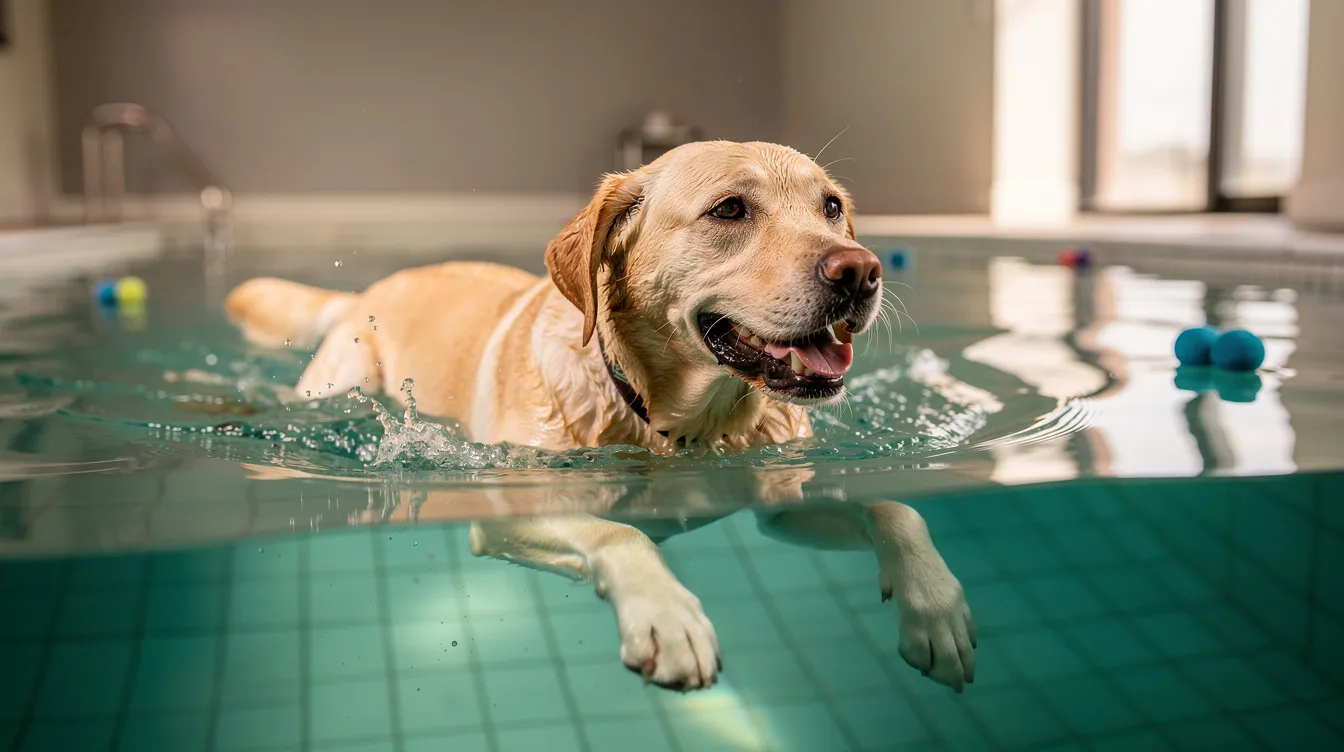
Physiotherapy, Rehabilitation and Hydrotherapy
Veterinary physical rehabilitation can relieve joint tension and improve mobility in arthritic dogs, and is increasingly recognised as an important component of OA management. Physical therapy can provide pain relief for arthritic dogs alongside, not instead of, appropriate medical treatment.
Common modalities include:
- Individualised home exercise programmes - targeted strengthening, balance and range‑of‑motion exercises designed by a qualified practitioner
- Massage and soft‑tissue work - helping to reduce muscle tension and improve comfort around affected joints
- Hydrotherapy - swimming is a great low‑impact exercise for arthritic dogs. Both swimming pools and underwater treadmills allow dogs to exercise while the water supports their body weight, reducing load on painful joints and encouraging a fuller range of movement
- Other modalities such as laser therapy, therapeutic ultrasound, TENS (transcutaneous electrical nerve stimulation) and acupuncture - evidence varies, but many dogs appear to benefit, particularly as part of a broader plan
Finding the right practitioner: In the UK, veterinary physiotherapy should be carried out by appropriately qualified practitioners - such as ACPAT‑registered chartered veterinary physiotherapists - or therapists who work under veterinary referral, as required by law. Hydrotherapy centres should be reputable, appropriately insured and staffed by trained professionals.
Examples of how physio and hydro help: A dog recovering from cruciate ligament surgery may use hydrotherapy to rebuild stifle muscle strength without stressing the healing joint. An older dog with generalised OA might benefit from a structured home exercise programme that gradually improves hind‑limb strength and balance.
The important point is that physiotherapy and hydrotherapy are complements to veterinary diagnosis and medical management - they work best as part of the multimodal plan, not as standalone interventions.
Pain Relief and Anti‑Inflammatory Medications
Appropriate medical pain relief is often essential to maintain comfort, encourage movement and protect welfare in dogs with osteoarthritis. Modern veterinary pain management has advanced considerably, and most dogs can be kept comfortable with careful monitoring.
NSAIDs: The First‑Line Option
Nonsteroidal anti inflammatory drugs remain the cornerstone of OA pain relief for most dogs. NSAIDs are commonly prescribed for arthritis pain relief. They work by reducing inflammation and pain within the joint, and many dogs show noticeable improvement within days. Common examples used in UK veterinary practice include meloxicam and carprofen.
Because NSAIDs can affect the kidneys, liver and gastrointestinal tract, monitoring is important. Vets typically recommend blood tests before starting treatment and at regular intervals thereafter to check organ function. Watch for signs such as vomiting, reduced appetite, dark stools or lethargy, and report them promptly.
Adjunct and Alternative Pain Medications
For dogs that need additional pain management or cannot tolerate NSAIDs, vets may recommend:
- Gabapentin - gabapentin can help manage chronic arthritis pain, particularly nerve‑related discomfort, and is often used alongside other medications
- Amantadine - sometimes added to improve pain control in dogs that respond incompletely to NSAIDs alone
- Corticosteroids - occasionally used in specific situations, though long‑term use carries significant side‑effects and is generally avoided in favour of safer alternatives
Monoclonal Antibody Therapy (Librela)
Bedinvetmab, marketed as Librela, is a monthly veterinary injection licensed to relieve pain associated with osteoarthritis in dogs. It works by targeting canine nerve growth factor, which is involved in pain signalling. Many dogs experience meaningful improvement, but response varies.
The UK Veterinary Medicines Directorate completed an in-depth safety assessment in February 2026 and concluded that Librela’s benefits continue to outweigh its risks for most appropriately selected dogs. The regulator also identified a small subset of dogs that deteriorated rapidly after treatment, although no single consistent pattern or confirmed causal mechanism was identified. Owners should discuss individual benefits, risks and monitoring with their veterinary surgeon and promptly report any unexpected deterioration following treatment.
A Critical Safety Note
Human pain medications like ibuprofen are toxic to dogs. Never give your dog any human medicine - including paracetamol or ibuprofen - without explicit veterinary instruction. Even small doses of common over‑the‑counter human painkillers can cause life‑threatening organ damage in dogs.
Always work with your vet to find the safest, most effective pain medication plan for your dog, and keep communication open about how well the current approach is managing your dog's pain.
Nutrition, Joint‑Friendly Diets and Overall Health
A complete, balanced diet appropriate to your dog's life stage and health status is the foundation of joint health support. Before considering supplements, it is worth ensuring the basics are right. The WSAVA Global Nutrition Guidelines provide a useful framework for evaluating diet quality.
How diet supports arthritic dogs:
- Weight‑control and mobility‑support diets can help by providing reduced calories to support weight loss or maintenance, adjusted protein levels to preserve lean muscle, and specific nutrients - such as omega‑3 fatty acids from fish oil - that may help reduce inflammation within joints.
- Large‑breed puppy diets with controlled calcium and phosphorus support appropriate growth rates and may reduce the risk of developmental joint problems that lead to early OA.
- Veterinary prescription diets formulated specifically for joint support, or combined joint and weight management, can be useful parts of an overall plan under veterinary guidance. Consult your vet for a specific diet to manage arthritis - they can recommend the most appropriate option for your dog's needs.
Practical feeding tips:
- Maintain consistent feeding routines and avoid frequent sudden diet changes that can upset digestion
- Monitor body condition regularly - at minimum, every month for dogs on a weight‑loss programme
- Remember that treats count towards daily calorie intake
For owners who want to understand the science behind specific joint‑supporting nutrients, Alder & Hound's ingredient‑specific guides cover individual compounds in detail, providing evidence summaries to help you make informed choices.
Joint Supplements for Dogs: Evidence‑Informed Overview
Joint supplements are widely used alongside veterinary care in managing arthritis in dogs. However, it is important to approach this area with open eyes: quality, formulations and evidence levels vary considerably between products. Joint supplements may include glucosamine, chondroitin, and omega‑3 fatty acids, among other ingredients. They should complement, not replace, veterinary care and prescribed medications.
Commonly used groups of joint‑support ingredients include:
- Structural building blocks - glucosamine, chondroitin and MSM (methylsulfonylmethane)
- Marine‑derived ingredients - green‑lipped mussel (Perna canaliculus), a natural source of omega‑3 fatty acids and other bioactive compounds
- Plant‑derived anti‑inflammatories - Boswellia serrata, turmeric/curcumin
- Joint fluid and cartilage support - hyaluronic acid
- Other supportive ingredients - Reishi mushroom, vitamin C and antioxidants
What does the evidence say?
The picture is mixed, and honesty about this serves owners better than marketing hype. A large 2022 meta‑analysis reviewing 72 trials found the clearest nutraceutical evidence for omega-3-enriched products, while glucosamine–chondroitin products showed little convincing analgesic benefit across the included trials. This does not mean every multi-ingredient formula is ineffective, but it reinforces the need to judge ingredients, formulation and claims carefully. Green‑lipped mussel showed promising results across several randomised controlled trials, with one 2009 study in 45 dogs demonstrating significant improvements in mobility and pain scores compared to placebo. Glucosamine and chondroitin, despite their long history of use, showed disappointingly weak evidence in the same meta‑analysis, with the vast majority of trials failing to demonstrate a clear effect on pain.
Multi‑ingredient formulations - combining plant‑derived anti‑inflammatories, chondroprotectants and hyaluronic acid - have shown encouraging results in randomised, placebo‑controlled trials, though more research is needed.
Key quality considerations when choosing a supplement:
- Clear labelling of active ingredient amounts per dose
- Sourcing and standardisation of botanicals (for example, Boswellia extract standardised for its active compound AKBA)
- Avoidance of unnecessary fillers or artificial additives
- Manufacturing by reputable UK‑based or internationally recognised producers with robust quality standards
Alder & Hound's ForeverRun™ Advanced Joint and Mobility Support is an example of a premium, evidence‑informed formulation that combines multiple joint‑support ingredients at meaningful doses. It is designed to complement veterinary care as part of a broader management plan - not to diagnose, treat or cure arthritis.
Spotlight on Key Joint‑Support Ingredients
This section provides a closer look at specific ingredients that frequently appear in canine joint supplements and across Alder & Hound's educational resources.
Green‑lipped mussel (Perna canaliculus) is a natural marine source of omega‑3 fatty acids, glycosaminoglycans and other bioactive compounds. Several randomised controlled trials in dogs have shown improvements in mobility and pain scores, though the effect appears more moderate than pharmaceutical pain relief. Green‑lipped mussel is one of the better‑evidenced natural ingredients for joint comfort, and its unique combination of bioactives sets it apart from standard fish oil. For a full evidence summary, see our Green‑Lipped Mussel for Dogs guide.
Boswellia serrata is a resin extract containing anti‑inflammatory compounds, most notably boswellic acids (particularly AKBA). Early canine studies and a body of evidence from human medicine suggest it may help reduce inflammation and support joint comfort, though high‑quality canine trials remain limited. Standardisation matters - look for extracts with defined AKBA content. Our Boswellia for Dogs guide explores the current evidence in detail.
MSM (methylsulfonylmethane) is a sulphur‑containing compound often combined with glucosamine and chondroitin. It is proposed to support connective tissue health and may have mild anti‑inflammatory properties, though dedicated canine RCTs remain sparse. MSM is generally well tolerated.
Glucosamine and chondroitin are among the most widely recognised cartilage building blocks. Despite decades of use, recent systematic reviews suggest the evidence for pain relief in canine OA is weaker than many owners expect. They may still play a role in some dogs as part of a combination approach, but expectations should be realistic.
Hyaluronic acid is a natural component of joint fluid and cartilage that contributes to viscosity and cushioning. Injectable hyaluronic acid (viscosupplementation) is used in some veterinary settings, while oral forms are available in supplements. Evidence in canine OA is still developing, particularly for oral administration. Our Hyaluronic Acid for Dogs guide covers what is currently known.
While none of these ingredients can cure arthritis, many owners and vets report improved comfort and mobility when they are used as part of a broader OA management plan, especially over the medium to long term. As always, we encourage readers to consult Alder & Hound's individual ingredient guides for deeper, reference‑rich discussions of each compound.
Home Adaptations to Support an Arthritic Dog
Small, practical changes at home can significantly reduce pain triggers and help dogs move more confidently day to day. Home modifications can improve a dog's comfort and mobility without requiring any medication or specialist equipment.
Key environmental modifications:
- Bedding: Provide a soft bed - ideally a well‑padded, orthopaedic‑style bed or memory foam beds - positioned away from draughts and damp. This relieves pressure on sore joints and makes rest more restorative.
- Non‑slip surfaces: Use anti slip mats or rugs on slippery flooring, especially along favourite routes - doorways, hallways, around food bowls and at the bottom of stairs. Slippery flooring is one of the most common triggers of anxiety and painful slipping in arthritic dogs.
- Ramps and steps: Install ramps or pet steps for access to cars, sofas or beds. Block off steep stairs if they cause difficulty, or assist your dog with a supportive harness.
- Raised bowls: Raise food and water bowls to a comfortable height for dogs with neck, shoulder or spinal arthritis to reduce strain during eating and drinking.
- Keeping warm: On cold days, a well‑fitted coat can help keep muscles and joints warm during walks. Dry your dog thoroughly after wet walks. A gentle heat pad placed under bedding (always with a cover and on a low setting) can soothe stiff joints - many owners find their dogs actively seek out warmth.
Supportive accessories such as harnesses with lifting handles can help with larger dogs, and toe grips or booties may offer extra traction on smooth floors. Introduce these gradually so your dog feels comfortable.
Mental wellbeing matters too. Older or less mobile dogs still need stimulation. Provide enrichment activities that do not require high‑impact movement - sniffing games, puzzle feeders, calm training sessions and gentle social interaction all help maintain your pet's quality of life and keep their mind engaged even when physical activity is limited.
Managing Osteoarthritis Long Term: Monitoring and Adjusting the Plan
Managing arthritis is a long‑term journey. Your dog's needs will change with age, disease progression, other health issues and shifts in lifestyle. A plan that works brilliantly today may need refinement in six months.
The importance of regular monitoring:
- Keep a simple diary of mobility, stiffness, "good days" and "bad days" - patterns often emerge that help guide adjustments
- Watch for changes in appetite, sleep, activity levels and enjoyment of usual routines
- Regular body weight and body condition checks help ensure weight control stays on track
How vets may adjust the plan over time:
- Titrating medication doses up or down depending on comfort levels and side‑effects
- Adding or trialling new therapies - for example, introducing physiotherapy or hydrotherapy, considering other treatments such as injections, or in selected or referral cases discussing stem cell therapy as an advanced option
- Reviewing joint supplements and diet as new evidence or improved products become available
- Adjusting exercise type and duration as the condition progresses
This is an emerging option with growing availability, but suitability, evidence and cost should be discussed with your vet or referral specialist.
We recommend scheduling periodic OA reviews with your vet or veterinary nurse - for example, every three to six months - even if your dog seems "stable." Subtle changes are easier to catch early, and regular check ups give you the best chance of staying ahead of the disease rather than reacting to crises.
Alder & Hound's Knowledge Centre is designed to help owners stay up to date with evolving evidence on joint health, nutrition and new management options, so you can bring informed questions to every veterinary appointment.
Special Considerations: Hip Dysplasia, Cruciate Injuries and Other Joint Conditions
Several common orthopaedic problems either cause or accelerate osteoarthritis. Understanding them helps explain why some dogs develop arthritis much earlier than expected.
Hip Dysplasia
Hip dysplasia is an abnormal development of the hip joint where the ball and socket do not fit together properly. It typically becomes apparent in growing large‑breed dogs - Labradors, Golden Retrievers, german shepherds, bernese mountain dogs and Rottweilers are among the most commonly affected - though signs may be delayed until adulthood.
Hip dysplasia almost invariably leads to early OA in the hips. Breed screening schemes (such as the BVA/KC Hip Scoring Scheme in the UK) and responsible breeding are the primary tools for reducing risk at a population level.
Cruciate Ligament Disease
Cranial cruciate ligament (CCL) disease is one of the most common causes of hind‑limb lameness in dogs. Unlike the acute sporting injury often seen in humans, CCL disease in dogs is frequently a progressive degenerative condition. It often requires surgery in medium and large dogs, but ligament damage of this kind almost always leads to some degree of stifle OA even after successful treatment.
Elbow Dysplasia and Other Developmental Conditions
Elbow dysplasia encompasses a group of developmental abnormalities affecting the elbow joint, particularly common in breeds like Labradors, Rottweilers, bernese mountain dogs and German Shepherd Dogs. Early diagnosis and weight management are critical for slowing OA progression in affected elbows.
Other developmental conditions - such as osteochondrosis - similarly create the conditions for early‑onset arthritis by disrupting normal joint cartilage development.
Owners of at‑risk breeds, or dogs with a history of these conditions, should adopt joint‑protective lifestyles from a young age. This may include earlier discussions about appropriate exercise, lean body condition, and the potential role of joint supplements and proactive monitoring.
Preventing or Delaying Arthritis Where Possible
We cannot prevent all arthritis, particularly in genetically predisposed dogs. But we can often reduce risk or significantly delay onset by managing key factors from puppyhood onwards.
Responsible breeding and early screening:
- Choose breeders who hip and elbow score their breeding dogs and can provide results
- Avoid extremes of conformation that place unnecessary stress on joints
- Ask for health test results when selecting a puppy - this is especially important for breeds with a known increased risk of developing arthritis
Puppy and young dog care for joint protection:
- Feed a complete, balanced diet designed for the correct size and life stage - large‑breed puppy diets help control growth rate and reduce the risk of developmental joint problems
- Avoid rapid weight gain and obesity in young dogs
- Provide sensible, age‑appropriate exercise without repetitive high‑impact stress - avoid forced running or long runs beside a bicycle for puppies and adolescent dogs at a young age
Lifelong prevention strategies:
- Maintain lean body condition throughout life
- Provide regular, appropriate exercise and muscle‑strengthening activities
- Address injuries promptly and follow rehabilitation plans after surgery or trauma
- Be mindful of the home environment - providing non‑slip surfaces and avoiding excessive stair use for predisposed breeds
The concept is straightforward: prevention and early intervention usually cost less - in money, time and discomfort - than trying to manage oa pain and advanced joint disease later in life.
Myths and Facts About Arthritis in Dogs
Misconceptions about arthritis delay proper care, lead to unnecessary suffering and sometimes cause owners to make well‑meaning but unhelpful decisions. Here are some of the most common myths alongside the evidence.
Myth: "He's just getting old - slowing down is normal." Fact: While some age‑related changes are expected, many signs of "old age" are actually caused by pain from conditions like OA. Stiffness, reluctance to walk and reduced enthusiasm are not inevitable and can often be significantly improved with appropriate management.
Myth: "If my dog isn't crying, they're not in pain." Fact: Dogs rarely vocalise with chronic pain. They are biologically wired to mask discomfort. Instead, they show it through movement changes, altered behaviour and withdrawal - all signs that observant owners can learn to spot.
Myth: "Rest is best - I've stopped walking her to protect her joints." Fact: Controlled, regular exercise is usually far better than inactivity. Complete rest leads to muscle loss, increased stiffness and worsening joint instability. The goal is to find the right type and amount of movement, not to eliminate it.
Myth: "Joint supplements can replace prescription medication." Fact: Supplements are usually an add‑on, not a substitute, for appropriate pain control in moderate to severe arthritis. Most dogs with significant OA pain need veterinary‑prescribed pain medication as the backbone of their plan.
Myth: "There's nothing more to do once arthritis is diagnosed." Fact: Treatment options are broad and constantly evolving. Plans can be refined over time, and new approaches - from physiotherapy to newer injectable therapies - mean there is usually more that can be tried, even for dogs with long‑standing disease.
Quality of Life, Difficult Decisions and Palliative Care
Because OA is a progressive joint disease, there may come a time when arthritis pain significantly affects your dog's day‑to‑day happiness despite the best available treatment. Facing this honestly - while difficult - is part of responsible, compassionate ownership.
Assessing quality of life:
Simple tools can help you evaluate your dog's comfort objectively. "Good days and bad days" calendars - where you record each day as good, okay or bad - reveal trends that may not be obvious in the moment. Some veterinary practices also provide formal quality‑of‑life questionnaires that guide structured assessment.
Signs that OA may be severely impacting quality of life include:
- Reluctance to move even for favourite activities (greeting you at the door, walking to the food bowl)
- Difficulty performing essential functions - toileting, reaching food and water, getting comfortable enough to sleep
- Persistent pain despite treatment - shown by restlessness, panting, poor sleep, inability to settle
- Loss of interest in interaction with family or surroundings, or signs of depression
Palliative options for advanced cases:
When manage pain becomes increasingly difficult, vets may adjust medication regimens to maximise comfort, add further home adaptations, and provide supportive nursing guidance. At this stage, the focus shifts from maintaining activity goals to ensuring every remaining day is as comfortable and peaceful as possible.
Euthanasia - a compassionate decision:
There may come a point where suffering outweighs what treatment can achieve. This is one of the hardest decisions any owner faces, and there is no single "right" moment. Vets are experienced in helping families assess suffering honestly and can explain what a peaceful euthanasia involves - typically a gentle sedation followed by an intravenous injection, carried out at the practice or sometimes at home in the UK.
The grief that follows is real and valid. Many practices offer bereavement support resources, and organisations such as the Blue Cross Pet Bereavement Support Service provide free, confidential help. You are not alone, and the depth of your grief reflects the depth of the bond you shared.
How Alder & Hound Supports Owners Managing Canine Arthritis
Alder & Hound exists with a clear mission: to provide high‑quality, evidence‑informed information and premium joint health supplements that support canine mobility and healthy ageing.
The Canine Mobility Knowledge Centre offers in‑depth, regularly updated articles covering:
- The Complete Guide to Joint Health in Dogs - a foundational resource covering joint anatomy, common conditions and management principles
- Individual ingredient guides including green‑lipped mussel, Boswellia, hyaluronic acid, MSM, glucosamine, Reishi and vitamin C
- Specific conditions linked to OA, such as hip dysplasia, cruciate ligament injury and elbow conditions
- Practical management topics including weight control, exercise planning and home environment adaptation
ForeverRun™ Advanced Joint and Mobility Support reflects Alder & Hound's formulation philosophy: combining multiple evidence‑informed ingredients at meaningful, clearly labelled doses. It is designed to complement veterinary care - never to replace it - and we do not make claims to diagnose, treat or cure arthritis.
Our goal is to empower you to have more informed discussions with your veterinary team. We believe that well‑informed owners make better decisions, ask better questions and ultimately provide better care for their dogs.
If you would like to stay up to date with new joint health articles, ingredient evidence summaries and carefully considered offers, you are welcome to sign up for updates through our website. We treat this as ongoing education and support - because your dog's joint health journey does not end with a single article.
Key Takeaways and Next Steps for UK Dog Owners
The most important points to remember:
- Arthritis and osteoarthritis are common in dogs but often under‑recognised - many dogs suffer in silence for months or years before receiving help
- Early signs are subtle; limping, stiffness and slowing down are not simply "old age" and deserve investigation
- A multimodal management approach - combining a healthy weight, regular appropriate exercise, pain control, physical rehabilitation, nutrition, joint supplements and home adaptations - offers the best chance of maintaining a good quality of life
- Regular vet check‑ups and open, honest communication with your veterinary team are essential throughout your dog's life
- Evidence‑informed joint supplements can play a valuable supportive role alongside veterinary care, but they are not a substitute for proper diagnosis and pain medication when needed
Your "this week" checklist:
- If you are concerned about your dog, book a vet review - do not wait
- Assess and record current signs (stiffness, limping, reluctance, behavioural changes)
- Check your dog's body condition score honestly - can you feel their ribs?
- Review diet, treat habits and daily calorie intake
- Read two or three core Alder & Hound Knowledge Centre articles relevant to your dog's needs
Caring for a dog with arthritis can feel overwhelming at first. The diagnosis itself can be emotional, especially when you realise the signs have been there for a while. But the evidence is clear: with informed choices, consistent care and the right support, many dogs with osteoarthritis remain happy, comfortable and active well into their senior years. You are already taking the most important step - learning what genuinely helps - and your dog is lucky to have you in their corner.